
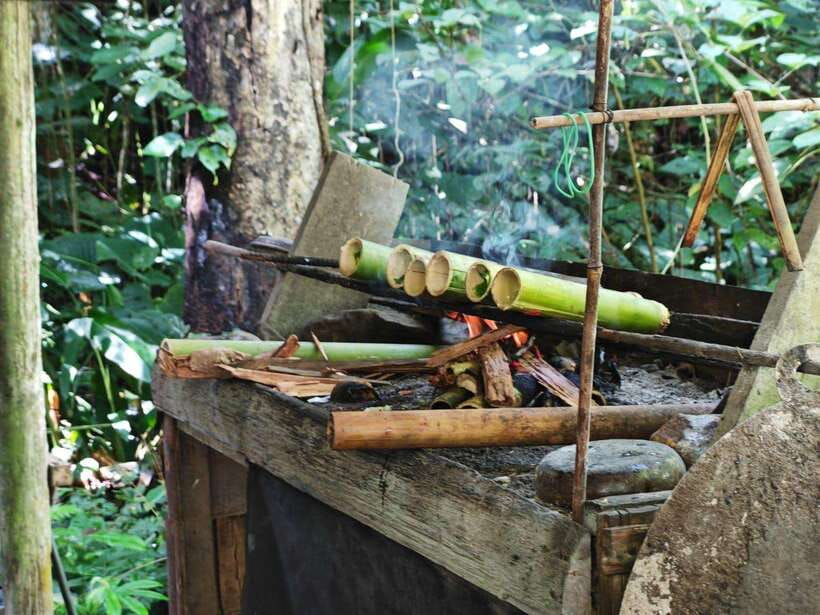
REVIEW · CULTURAL VILLAGES & LONGHOUSE VISITS
Sabah: Mari-Mari Cultural Village Visit + Lunch + transfer
Rice wine, dance, and a guided village day. At Mari Mari Cultural Village in Sabah, you spend a few focused hours with Kadazan Dusun culture plus hotel transfer, and you finish with lunch or hi-tea that actually matches what you watched. It is an easy way to understand daily life, not just snap photos.
I particularly like the structure: you get a planned walk through traditional homes, then timed activities like snacks and dance so the day does not drag. If you are lucky with your guide, you will get real personality too, and I heard examples like Aiman, who keeps the program engaging from start to finish.
One consideration is that slots can fill up. The village runs two sessions, and sometimes a session can reach capacity, so book ahead to avoid being stuck with the wrong time or missing out.
In This Review
- Key things to know before you go
- Mari Mari Cultural Village, what the day is really about
- Morning session (10:00 am to 2:00 pm) or afternoon (1:00 pm to 4:30 pm)
- The traditional house walk, snacks, and rice wine
- Dances and interactive activities, where the program gets fun
- Lunch or hi-tea, and why the meal is part of the value
- Transfers in Sabah, and how to make pickup painless
- How guided and how “authentic” this feels
- Price and value, including what feels fair and what might not
- What to bring, and what to watch out for
- Who this is best for
- Should you book Mari Mari Cultural Village?
- FAQ
- How long is the Mari Mari Cultural Village visit?
- What time are the two sessions?
- Is lunch included?
- Does the price include transportation?
- What languages is the guide?
- What do I need to bring with me?
- Is free cancellation available?
- Can I reserve without paying right away?
- Is this tour suitable for wheelchair users or very elderly travelers?
Key things to know before you go

- Two fixed sessions: morning (10:00 am to 2:00 pm) or afternoon (1:00 pm to 4:30 pm)
- Food is part of the show: snacks, rice wine, and either lunch or hi-tea
- You get transfers from selected Kota Kinabalu area hotels
- You are led by an in-house guide (English and Malay)
- It is a staged cultural presentation, but it is still a useful window into lifestyle and practices
Sabah side, a few more we rated
- Guided Snorkeling Day Trip, Kota Kinabalu, Sabah, Malaysia★ 5.0 · 282 reviews
- Borneo (Klias) River Cruise & Fireflies Tour★ 4.5 · 126 reviews
- Kota Kinabalu: Snorkeling & Island Hopping Sapi & Manukan★ 3.9 · 97 reviews
- Leisure Diving | Fun Dives | 3 Dives in TARP, Kota Kinabalu★ 5.0 · 94 reviews
Mari Mari Cultural Village, what the day is really about
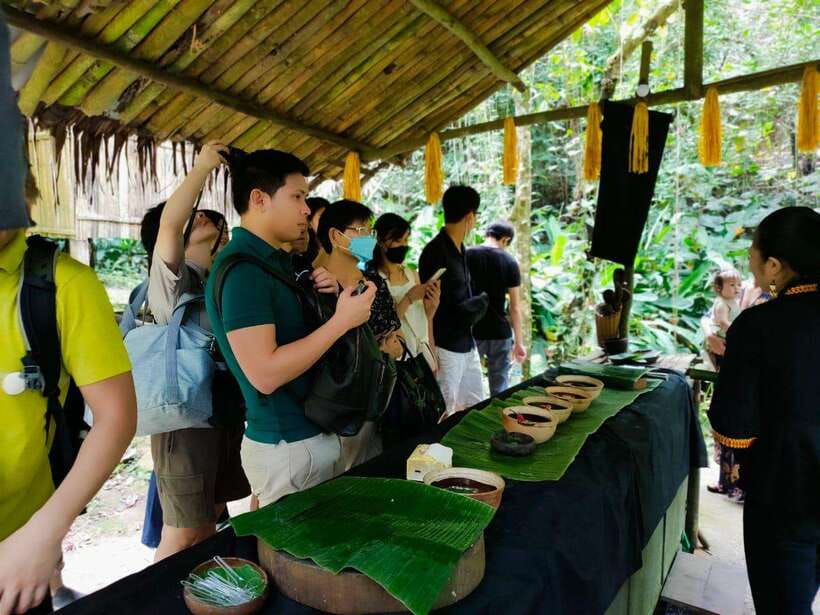
Mari Mari Cultural Village is built for one purpose: teaching you about Kadazan Dusun life through a guided, time-based visit. You are not wandering the site alone. You follow the schedule, learn through explanation, and experience the program in the same order each session runs.
For many people, the biggest value is the pairing of culture plus food. The program ties what you see in the traditional buildings to the things you taste, including local snacks and rice wine. That makes it easier to remember, and it avoids the common problem of “cool photos, no context.”
Morning session (10:00 am to 2:00 pm) or afternoon (1:00 pm to 4:30 pm)
Both sessions are built around the same idea, but the flow changes.
Morning session works if you want a cleaner day plan. You register at 10:00 am, spend about two hours exploring traditional Kadazan Dusun buildings, then you shift into activities around midday. At 12:15 pm there are traditional dances and interactive cultural activities. Lunch lands at 1:00 pm, and the session finishes at 2:00 pm.
Afternoon session works if your morning is already full. Registration begins at 1:00 pm, and you get another guided walk through the homes and delicacies. Dances and activities kick off at 3:00 pm, and you end with hi-tea at 4:00 pm, wrapping up at 4:30 pm.
Practical tip: if you are sensitive to heat and you dislike rushing, the morning often feels calmer because it starts earlier and ends before late afternoon traffic. If your hotel day is slow, the afternoon lets you sleep in, then you still get the dances and snack portion of the program.
The traditional house walk, snacks, and rice wine
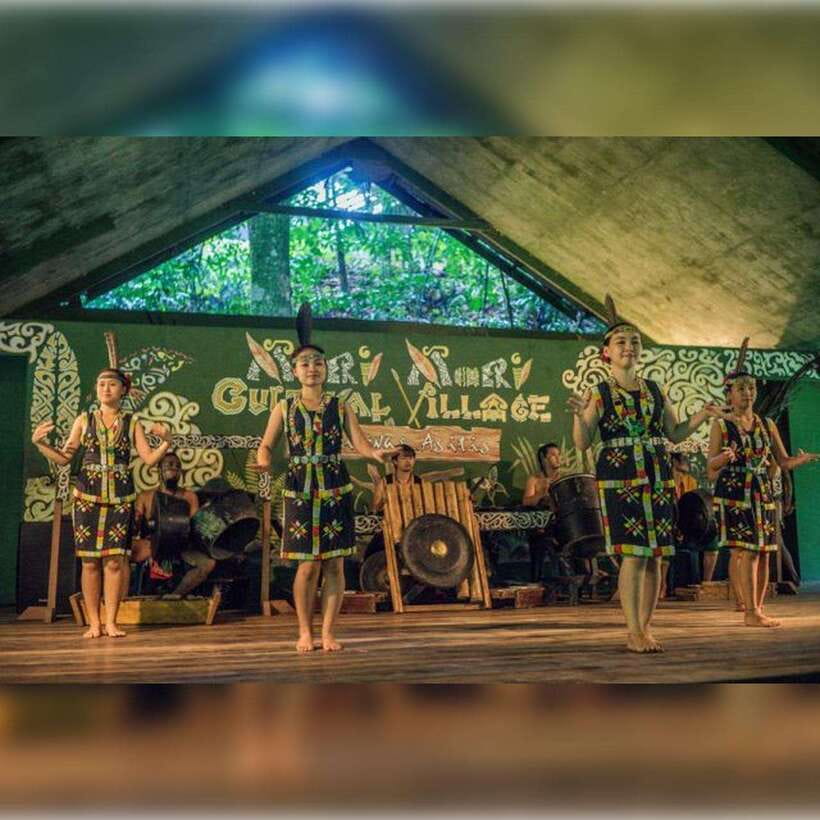
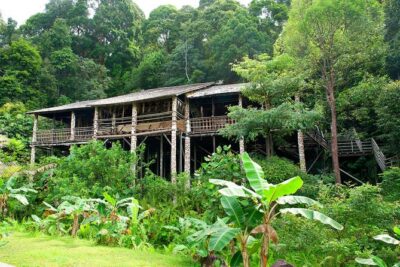
The core of the visit is the traditional buildings tour. You will spend roughly two hours being shown Kadazan Dusun homes and learning how daily life is reflected in design and routine. Even if you do not love guided tours, the building focus helps you see the culture as more than “performances.”
During the tour, you also taste traditional snacks and are introduced to rice wine as part of the experience. Whether you try it or just watch how it is discussed, it gives context for how food and drink connect to celebrations and community life.
A small consideration: food and drink are timed. If you want maximum freedom, this is not that kind of visit. If you like a straightforward schedule with built-in meals, it is a good fit.
Dances and interactive activities, where the program gets fun
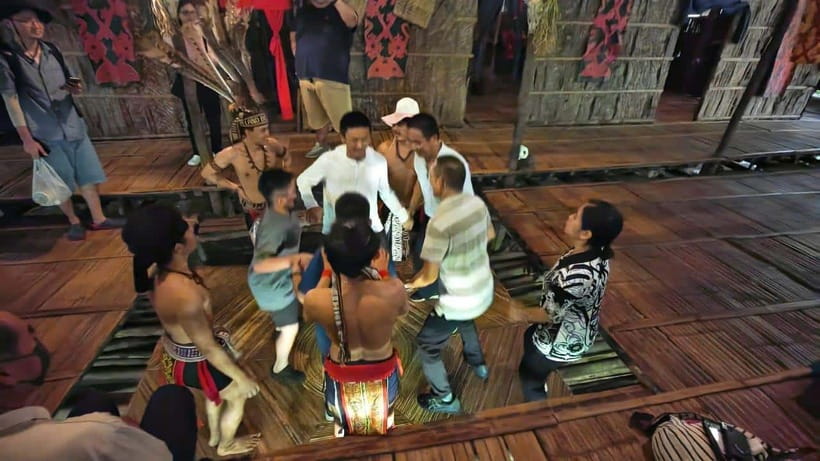
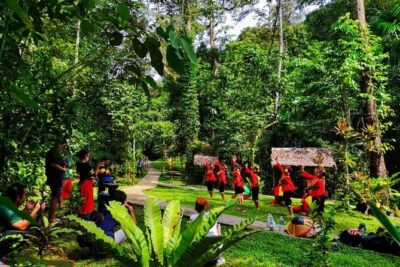
The most memorable part for many people is the performance portion. In the morning session, dances and interactive activities begin around 12:15 pm. In the afternoon, the program ramps up at 3:00 pm.
This is where a good guide matters. I picked up a pattern from what I saw shared by previous visitors: when guides like Aiman run the session with energy and clear explanations, the dances stop feeling like a show for tourists and start feeling like a cultural explanation you can follow.
Also, you can think of these moments as the “glue” between the house tour and the meals. You learn, you taste, you see movement and symbolism, then lunch or hi-tea gives you something concrete to anchor it all to.
More village visits, Sabah and Sarawak
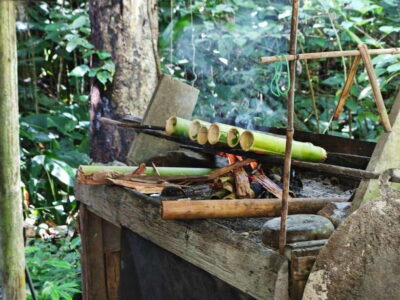
Lunch or hi-tea, and why the meal is part of the value
This experience includes a meal that matches the session: lunch for the morning and hi-tea for the afternoon. The lunch is scheduled for 1:00 pm in the morning option. The hi-tea is at 4:00 pm in the afternoon option.
The food is not presented as a separate, random restaurant stop. It is aligned with what you learned earlier in the visit, especially Kadazan Dusun flavors and local desserts. One visitor described the lunch buffet style with local foods and dessert, and that fits what you should expect from an organized cultural meal.
Two smart ways to approach it:
- If you are hungry, eat the meal fully, do not save your appetite for later, because the day ends soon after.
- If you are picky about unfamiliar drinks, you can still enjoy the snacks and meal. The rice wine is part of the experience, but you are not forced into everything.
Transfers in Sabah, and how to make pickup painless
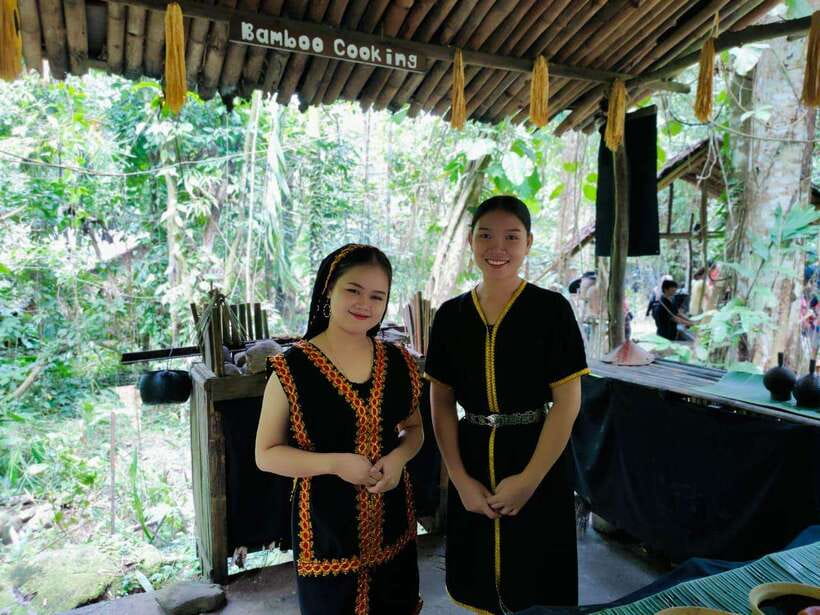
You get transfer included, with pickup and drop-off options in the Kota Kinabalu area. Pickup options include Kota Kinabalu Marriott Hotel, The Shore by HF Suites, Shangri-la’s Tanjung Aru Resort, The Pacific Sutera Hotel, and a Kota Kinabalu location option. Drop-offs mirror those hotels.
One important detail: the pickup time is not guessed. You are told ahead, typically one day before the tour by a customer service representative. If you want this to run smoothly, make sure they can reach you using a communication app like WhatsApp, email, or a contact number.
Practical tip: keep an eye on your email and messages the day before. If you do not hear anything, check your inbox first before you assume you are out of luck.
If you are staying outside those pickup options, you might need a separate arrangement. The tour notes that you can add on for transport if needed, so plan to ask early.
How guided and how “authentic” this feels
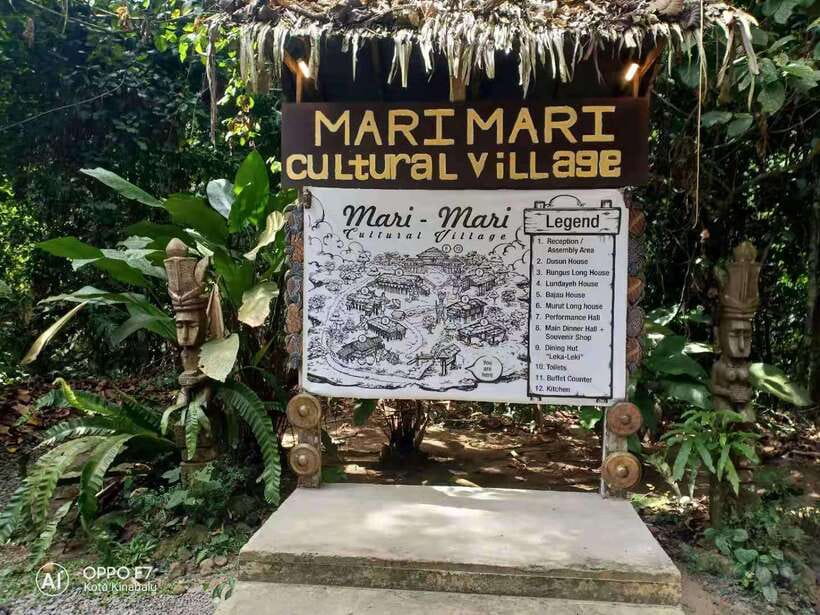
This kind of cultural village visit is staged. That is not a flaw, it is the format. You are shown a program with timed dances, guided explanations, and structured meals.
What makes it still worthwhile is that you learn the culture in a controlled way: traditional buildings first, then activities, then food. That pacing gives you context, and you are not left to interpret things on your own with zero background.
One visitor specifically noted that the experience feels like a curated presentation tied to Sabah tourism, but still offers a genuine look at culture, food, wine, and lifestyle. I agree with the practical takeaway: treat it like a guided introduction. You will learn a lot quickly, then you can decide what you want to explore deeper later.
Price and value, including what feels fair and what might not

At $85 per person for a 1 day experience, you are paying for more than entry. The package includes:
- Entrance ticket
- A guided experience by an in-house guide
- Your meal (lunch or hi-tea)
- Transfers from selected Kota Kinabalu hotels
That matters because transport and meal costs are often what quietly inflate the total cost of “cheap” tours. In many cases, if you are staying in the hotel pickup zone, the transfer inclusion makes the price feel more reasonable.
Still, there can be a mismatch if you compare apples to oranges. One negative experience shared that the price felt higher than some alternatives, especially when pickup and drop-off were included elsewhere. My advice is simple: compare total cost for your exact hotel and your preferred session time. If you are already paying for private transport, then you need to think carefully about whether this package duplicates what you already arranged.
What to bring, and what to watch out for
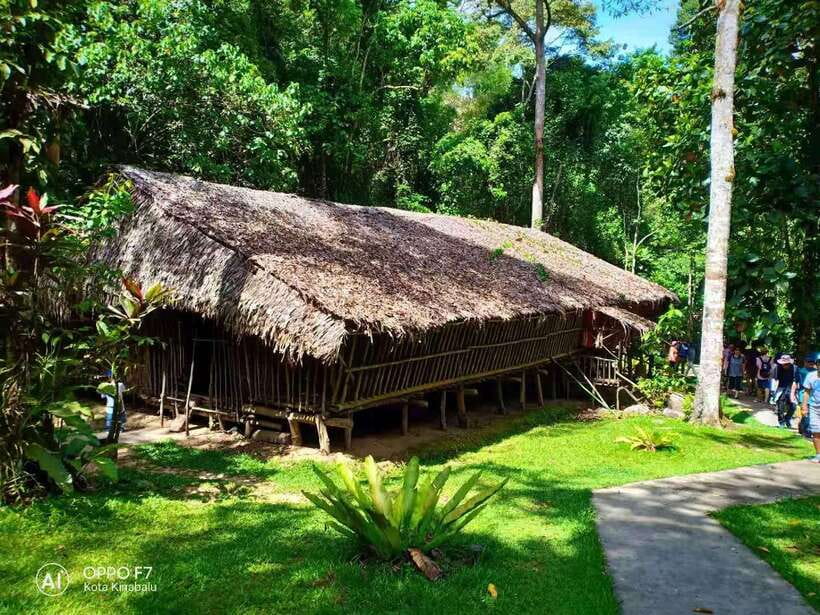
For a smooth day, bring:
- Passport or ID card
- Sunglasses
- Hat
- Sunscreen
The tour also lists restrictions. It is not suitable for wheelchair users, people over 75 years, people with low level of fitness, and babies under 1 year. It also states that non-folding wheelchairs and electric wheelchairs are not allowed.
In other words, plan for some walking and time outdoors. If you get tired easily, choose the session that gives you the most comfortable pacing for your stamina.
Who this is best for
This is a strong choice if you want a short, guided cultural experience in Sabah with food included and minimal logistics work.
You will likely enjoy it if:
- You are staying in Kota Kinabalu and want a simple, scheduled plan
- You like structured learning, not just wandering
- You enjoy cultural performances paired with explanation
- You want a meal that fits the theme of the day
You might skip it if:
- You dislike any staged cultural performances
- You already have a very full day and cannot fit the fixed session time
- You need accessibility accommodations beyond what the tour allows
Should you book Mari Mari Cultural Village?
I think it is worth booking if you like the idea of a guided introduction to Kadazan Dusun culture with a real meal included. The biggest advantages are the house tour time, the scheduled dances and activities, and the fact that transfer is built in from common Kota Kinabalu hotels.
Book early because sessions can fill, especially in peak periods. If your schedule is flexible, pick the morning for an easier end time, or the afternoon if mornings are already spoken for.
If your priority is total freedom, DIY wandering, or a self-paced visit, this will feel too scheduled. But if your priority is context plus convenience in one half-day style block, this delivers.
FAQ
How long is the Mari Mari Cultural Village visit?
The tour duration is 1 day, with either a morning session or an afternoon session.
What time are the two sessions?
The morning session runs from 10:00 am to 2:00 pm. The afternoon session runs from 1:00 pm to 4:30 pm.
Is lunch included?
Yes. The morning option includes lunch, and the afternoon option includes hi-tea.
Does the price include transportation?
Yes, transfer is included, with pickup and drop-off options at selected Kota Kinabalu hotels.
What languages is the guide?
The in-house guide speaks English and Malay.
What do I need to bring with me?
Bring a passport or ID card, plus sunglasses, a hat, and sunscreen.
Is free cancellation available?
Yes. You can cancel up to 24 hours in advance for a full refund.
Can I reserve without paying right away?
Yes. The activity offers a reserve now, pay later option.
Is this tour suitable for wheelchair users or very elderly travelers?
No. It is not suitable for wheelchair users, people over 75 years, or people with low level of fitness. It is also not suitable for babies under 1 year.
More Tour Reviews in Kota Kinabalu
More Village Visits
Sabah, More From Us
Other Kota Kinabalu write-ups from our reviewers
- Sabah: White Water Rafting Grade 3-4 at Padas River
★ 4.7 · 3 reviews - Kinabalu Park Day Trip
★ 3.5 · 3 reviews - Kota Kinabalu : Mari-Mari Cultural Village Day Tour
★ 4.7 · 3 reviews - Kota Kinabalu | Snorkeling Sapi Island/Manukan Island
★ 3.1 · 3 reviews - Full Day JomTour! Memorable Experience in Kota Kinabalu, Sabah
★ 3.0 · 4 reviews
More Cultural Villages & Longhouse Visits.
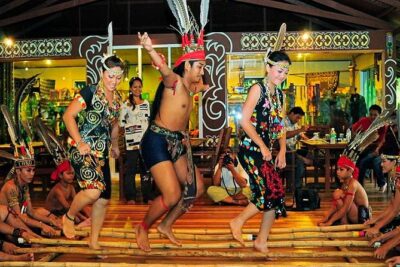 ★ 4.5Mari-Mari Cultural Village Tour Including LunchFrom $5845 reviews
 ★ 5.0Mari Mari Village & Bongawan Cruise PackageFrom $12132 reviews
 ★ 5.0Private Tour Kampung Gipsi Sabah Cultural Village Kota KinabaluFrom $2532 reviews
 ★ 4.7KAMPUNG GIPSI-DAY TRIP TO BAJAU HEAVEN FREE NASIGORENG & TEHFrom $7617 reviews
 ★ 5.0Sarawak Cultural Village Tour from KuchingFrom $11213 reviews
★ 5.0Sarawak Cultural Village Tour from KuchingFrom $8612 reviews
★ 5.0Sarawak Cultural Village Tour from KuchingFrom $11213 reviews
★ 5.0Sarawak Cultural Village Tour from KuchingFrom $8612 reviews
 ★ 4.5Mari Mari Cultural VillageFrom $10011 reviews
 ★ 4.5Semenggoh Orangutan Center & Sarawak Cultural VillageFrom $15810 reviews
Other Malaysia lists with this tour