
REVIEW · SEMPORNA & BORNEO DIVING TRIPS
Learn to Dive | RAID Open Water 20 Diver Course | Kota Kinabalu
Three days to feel confident underwater. This RAID Open Water 20 certification course in Kota Kinabalu is built for learning with small groups and instructors like Yadi, Basir, Didi, Alex, and Amir, who are repeatedly praised for patient, clear teaching. You’ll also be out on boats each day, with a structured flow that takes you from the meeting point through the day and back again.
I also like that the full cost includes the key stuff that usually adds up fast, like scuba equipment, the permit and marine park fees, and three lunches with drinking water. On top of that, the team uses two 33ft x 9ft wide trimaran boats, so you are not constantly swapping plans mid-course.
One consideration: this is an outdoor, good-weather experience, and it also has clear requirements. You’ll need to be fit, able to swim, and you will submit details like your passport number and measurements in advance, so it is worth checking everything before you arrive.
In This Review
- Key highlights worth your attention
- Kota Kinabalu and Tunku Abdul Rahman, a practical choice for certification
- Price and what $375 really covers (and what it does not)
- Eligibility, health checks, and the details you must submit
- From Suria Seafront to DBKK Jetty: how the 3 days typically run
- What you do underwater at Tunku Abdul Rahman Marine Park
- Instructors and crew: why Basir, Yadi, Didi, Alex, and Amir keep showing up
- Equipment, materials, and boat comfort that affect your learning curve
- Lunch, energy, and the one reality check I respect
- Who this course is best for, and who should reconsider
- Should you book RAID Open Water 20 in Kota Kinabalu?
- FAQ
- What age is this RAID Open Water course suitable for?
- Do I need to complete online pre-study before the course?
- What details do I need to provide before the course begins?
- What is included in the price of $375 per person?
- Where do I meet and what time does the experience start?
- How large is the group?
- What happens if the course is cancelled due to weather?
Key highlights worth your attention
- Max 12 students per course, so you get more direct attention when skills get tricky
- Instructors named in past courses, including Basir, Yadi, Didi, Alex, and Amir, known for patience and calm confidence
- Full gear, permit and park fees, and all meals onboard, so you can focus on learning rather than logistics
- Tunku Abdul Rahman Marine Park, known for rewarding underwater marine life
- Three days on boats, with daily returns to DBKK Jetty and back to the Suria Seafront meeting point
- Online pre-study before you start, so you arrive with the basics already organized
Sabah side, a few more we rated
- Guided Snorkeling Day Trip, Kota Kinabalu, Sabah, Malaysia★ 5.0 · 282 reviews
- Borneo (Klias) River Cruise & Fireflies Tour★ 4.5 · 126 reviews
- Kota Kinabalu: Snorkeling & Island Hopping Sapi & Manukan★ 3.9 · 97 reviews
- Leisure Diving | Fun Dives | 3 Dives in TARP, Kota Kinabalu★ 5.0 · 94 reviews
Kota Kinabalu and Tunku Abdul Rahman, a practical choice for certification
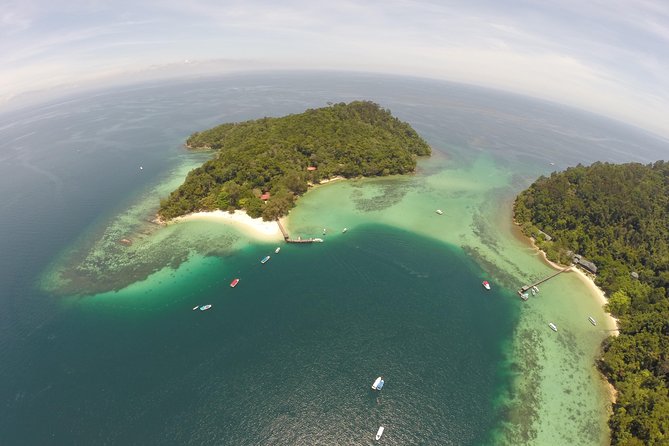
Kota Kinabalu is one of those ports that makes a certification course feel doable. You start in town at Suria Seafront, then each day you head out and return to DBKK Jetty, which keeps things simpler than doing long transfers to remote coasts.
For the underwater time, your main listed stop is Tunku Abdul Rahman Marine Park. The course description flags it as packed with underwater marine life, which matters because you are not just practicing skills in empty water, you are learning while surrounded by the kind of scenery that makes the effort feel worth it.
Also, because the group size is capped at 12, the whole experience tends to run like training, not like a sightseeing bus. That is the kind of structure you want when you are building comfort step by step.
Price and what $375 really covers (and what it does not)
At $375 per person, this course is priced like a complete training package, not a bare-bones half-day. You get full diving equipment, the permit and park fees, three lunches, and drinking water, plus the RAID course materials.
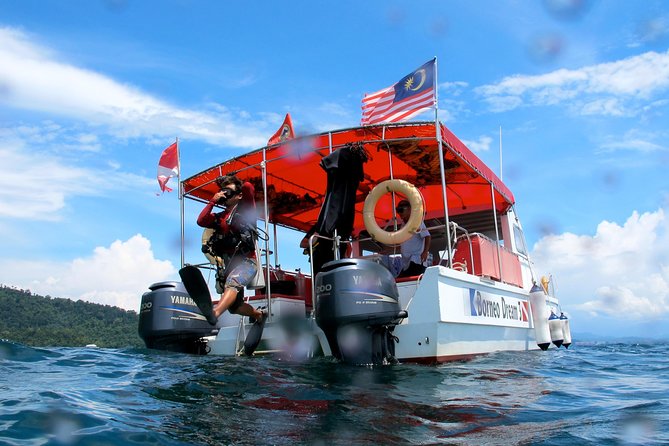
You also get boat transfers using two trimarans that are 33ft x 9ft wide. That sounds like a detail, but it affects comfort. Bigger boats tend to mean a steadier ride and less time dealing with unpleasant conditions, especially when you are out there for a full day of learning.
What is not included is equally important. Travel insurance is not part of the price, and the course does not list any other extras, so you should budget for your own travel logistics and coverage for unforeseen circumstances.
One more value note: the listing mentions group discounts and a mobile ticket. If you are traveling with friends, you might be able to reduce the cost per person, and the mobile ticket can make check-in smoother.
Eligibility, health checks, and the details you must submit
This course is open to people who are fit, healthy, and able to swim, starting from age 10 and up. If you are under 18, you must be accompanied by an adult. That is a good reality check: it is not marketed as a casual watersport for everyone, it is training with expectations.
The course description also calls out moderate physical fitness. In practice, that usually means you should be comfortable getting in and out of the water, wearing and managing equipment, and staying calm if conditions are a bit up and down.
Before your course starts, the operator requires a fairly specific set of personal details: your full name, passport number, nationality, date of birth, height, weight, and shoe size, plus any special dietary requirements. This is not just admin. It helps them set you up with the right equipment fit and makes sure meals work for you.
Finally, there is a small wording inconsistency to watch. The description mentions an Open Water 30 course level, while this experience is presented as Open Water 20. Before you go, I’d confirm which level you are actually booking so you are not surprised on day one.
From Suria Seafront to DBKK Jetty: how the 3 days typically run
The meeting point is Suria Seafront 16, on Jln Tun Fuad Stephens, Pusat Bandar Kota Kinabalu, Sabah, Malaysia. The start time is 9:00 am, and the experience ends back at the meeting point.
Each course day follows the same broad rhythm: you collect, go out on the boats, and return to DBKK Jetty, then head back to the meeting point. That daily return matters more than it sounds. It keeps your day structured, and it prevents the stress of figuring out where to be, when, after you get wet and tired.
The course is described as taking 3 days on boats. The key learning component you are signing up for is the RAID open water program, supported by the online pre-study and RAID materials. So you should expect the days to combine instruction, practice, and assessment against the course objectives, not just roaming around underwater.
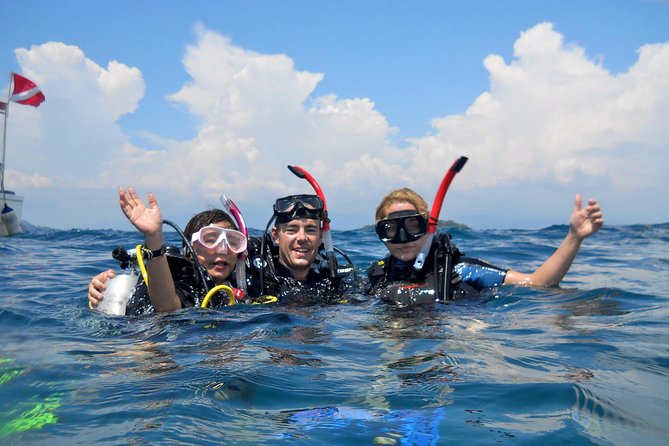
Because the group is small (up to 12), the day tends to feel more like coaching than like an activity checklist. You are more likely to get the sort of corrections that stop small issues from turning into bigger problems later.
Under the surface, other Borneo dives
What you do underwater at Tunku Abdul Rahman Marine Park
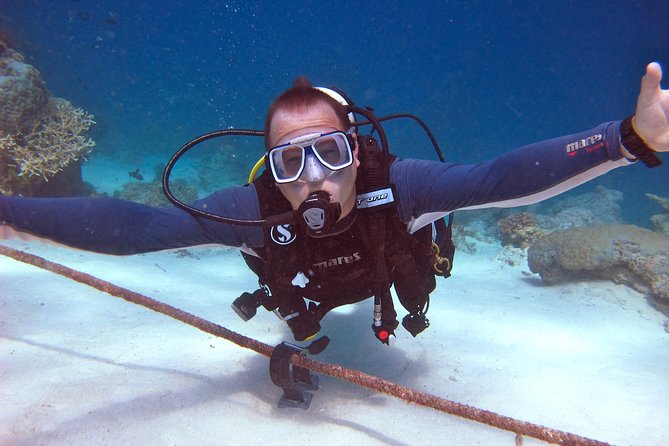
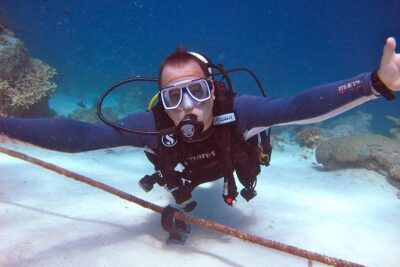
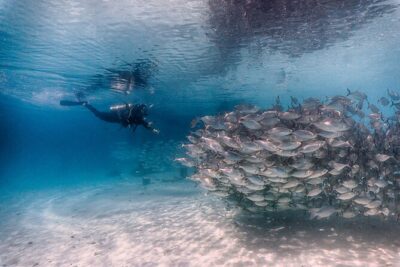
Your listed stop is Tunku Abdul Rahman Marine Park, and the course description specifically says it is packed with great underwater marine life. That is the part most people remember, because you get to connect the technical skills to actual seeing.
A practical way to think about it: early in any open water certification, the goal is not to perform. It is to learn how to control yourself in the water, move confidently with the right buoyancy mindset, and follow instructor cues. When the environment is lively, it is easier to stay engaged, and it helps you build a positive relationship with the water instead of feeling like it is only drills.
The course includes permit and park fees, which means you are covered for the marine park access tied to your underwater sessions. It also helps the operator manage logistics, since marine parks are rarely a casual free-for-all.
One possible drawback is that the marine life factor can also make the course feel more like learning plus experiencing. If you are expecting a super strict, classroom-only pace, you might be surprised by how much time you will spend looking, observing, and adapting your skills to real conditions.
Instructors and crew: why Basir, Yadi, Didi, Alex, and Amir keep showing up
The most consistent praise across past experiences is about teaching style. Names that come up again and again include Yadi, Didi, Alex, Basir, and Amir.
Several themes repeat:
- Patient explanations that help you understand what you are doing
- Clear, thorough guidance, including extra time when you need help
- A supportive tone that helps first-timers stay calm
- Firm coaching when it is time to meet the course requirements
- Humor that makes the learning atmosphere lighter
For example, one review highlights Basir being thorough with requirements and even funny while still guiding skillfully. Another credits Amir with calming nerves using humor for someone starting with no prior experience. A different review notes Didi spending extra time helping improve buoyancy.
That matters because open water learning often hinges on two things: safety and comfort. When the instructor can explain well and adjust to the group, you spend less time fighting your gear or guessing what the next step means.
Boat leadership is part of the vibe too. The captain Didi gets a standout mention for being a 10 out of 10. You will feel that kind of competence in the background, especially on long days when everyone is tired and you want things to stay organized.
Equipment, materials, and boat comfort that affect your learning curve
The price includes full diving equipment and RAID materials, which is a huge advantage if you are just starting. It lowers the chance that you show up with gear that fits poorly, feels wrong, or creates extra friction in the learning process.
Two trimarans are used, both sized 33ft x 9ft wide. Boat design and stability can make or break a training day. When you are learning underwater, you want the surface phase to be calm enough that you can think clearly, not just survive the transfer.
The course also provides drinking water with the lunches (3 lunches total). That sounds routine, but it is exactly the kind of small comfort that keeps you focused when you are working through a technical course schedule.
And since confirmation is received within 48 hours of booking (subject to availability), you usually get enough time to prepare mentally and administratively without a long wait.
Lunch, energy, and the one reality check I respect
Lunch is included three times, and drinking water is provided. In a course like this, food is not a side detail. It affects energy, patience, and your ability to stay consistent across three long days.
At the same time, one honest note from a past experience is that the lunch was not special. I would interpret that as meaning do not expect gourmet. If you are picky about food, you should plan for average, practical meals and rely on the fact that special dietary requirements are something the operator asks about before the course.
The bigger goal is consistency. You want to stay fed and hydrated, so you can show up ready to learn, not worn out by hunger or awkward meal timing.
Who this course is best for, and who should reconsider
This is a strong fit if you want a structured Open Water certification in a small-group setting, with clear instruction and the chance to see marine life in Tunku Abdul Rahman Marine Park.
It also suits you if you appreciate a team that values safety and coaching. The repeated focus on instructors being patient, thorough, and calm suggests the course is built to bring you along, not just test you.
You might reconsider if:
- You are not comfortable meeting the requirement of being able to swim and handling the course demands
- You have trouble with outdoor training because the experience requires good weather
- You dislike providing detailed personal info and measurements ahead of time
Also, if you are comparing options, think about what you want from the instructor. Here, the biggest differentiator is teaching style, and that is where Basir, Yadi, Didi, Alex, and Amir tend to shine.
Should you book RAID Open Water 20 in Kota Kinabalu?
If you want value, structure, and a course run by instructors known for patience, I think this is a smart booking. The included gear, permit and park fees, lunches, RAID materials, and small-group cap take away a lot of hassle, so you can focus on learning safely and enjoying the underwater marine life.
I’d especially recommend it to first-timers who get nervous in water, because the course has a track record of instructors calming nerves and coaching through tricky moments. It is also a good match if you like clear milestones and systematic learning, not random guessing.
Before you commit, do two quick checks. Confirm whether your booking is labeled Open Water 20 or 30 in your confirmation. And make sure you are comfortable with the eligibility basics, especially swimming ability and moderate physical fitness.
FAQ
What age is this RAID Open Water course suitable for?
The course is for people age 10 and up who are fit, healthy, and able to swim. If you are under 18, you need an adult to accompany you.
Do I need to complete online pre-study before the course?
Yes. There is online pre-study for this course that must be completed before your course starts.
What details do I need to provide before the course begins?
You’ll need to provide your full name, passport number, nationality, date of birth, height, weight, and shoe size. The operator also asks for any special dietary requirements.
What is included in the price of $375 per person?
The price includes full scuba equipment, the permit and park fees, RAID materials, boat transfers, and lunch (3) plus drinking water. The course also runs in small groups.
Where do I meet and what time does the experience start?
You meet at Suria Seafront 16, Jln Tun Fuad Stephens, Pusat Bandar Kota Kinabalu, 88000 Kota Kinabalu, Sabah, Malaysia. The start time is 9:00 am, and it ends back at the meeting point.
How large is the group?
The experience has a maximum of 12 travelers, so it stays small and more hands-on.
What happens if the course is cancelled due to weather?
The experience requires good weather. If it is cancelled due to poor weather, you’ll be offered a different date or a full refund.
If you want, tell me your experience level (first-timer or already certified) and your travel dates, and I can help you think through whether three days in Kota Kinabalu is the right pace for your goals.
More Tour Reviews in Kota Kinabalu
More Dives out of Semporna
Sabah, More From Us
Other Kota Kinabalu write-ups from our reviewers
- Sabah: White Water Rafting Grade 3-4 at Padas River
★ 4.7 · 3 reviews - Kinabalu Park Day Trip
★ 3.5 · 3 reviews - Kota Kinabalu : Mari-Mari Cultural Village Day Tour
★ 4.7 · 3 reviews - Kota Kinabalu | Snorkeling Sapi Island/Manukan Island
★ 3.1 · 3 reviews - Full Day JomTour! Memorable Experience in Kota Kinabalu, Sabah
★ 3.0 · 4 reviews
More Semporna & Borneo Diving Trips.
 ★ 5.0Leisure Diving | Fun Dives | 3 Dives in TARP, Kota KinabaluFrom $10594 reviews
 ★ 4.3Semporna: Bohey 3 Islands Hike, Snorkel/Dive Tour with LunchFrom $5850 reviews
 ★ 4.4Semporna: Explore 3 Islands Tour Snorkel or Dive & LunchFrom $5744 reviews
 ★ 5.0RAID Try-Dive Experience in Kota KinabaluFrom $11043 reviews
 ★ 5.0Join us for a RAID Try Dive in Kota KinabaluFrom $11027 reviews
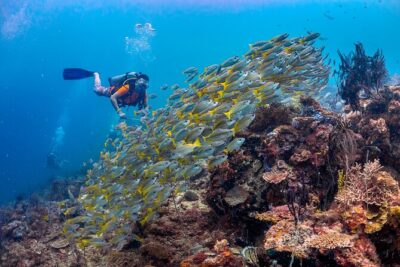 ★ 5.0(3 Days) PADI Open Water Diver Course Kota KinabaluFrom $43723 reviews
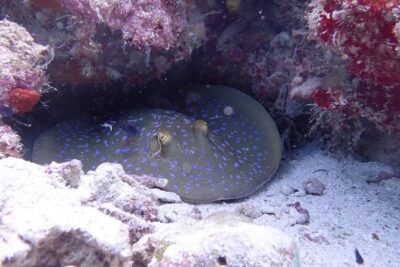 ★ 5.0TRY SCUBA (non diver)From $12221 reviews
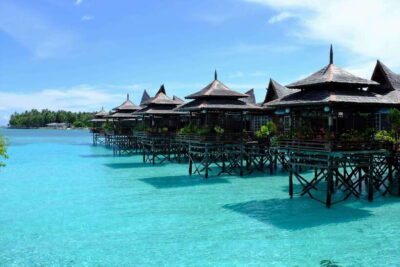 ★ 4.2Semporna: Mabul and Kapalai Trip in Snorkel or Dive & LunchFrom $5712 reviews
Other Malaysia lists with this tour