
REVIEW · CULTURAL VILLAGES & LONGHOUSE VISITS
Mari-Mari Cultural Village Tour Including Lunch
A day at Mari-Mari is a fast shortcut into Sabah life. You start with a smooth 9 am pickup and end with a complete stop-to-finish cultural program: a guided house tour, a welcome ceremony with the Chief, and a traditional lunch plus high tea inside the village. My favorite part is how the visit is built around the five communities, with demos and performance instead of just standing around. One thing to consider is that this is a small shared group (max 15), so timing can occasionally feel crowded if other groups overlap.
If you care about food, I like that the meal is not an afterthought. You get served lunch on-site, and there is also high tea included, plus you can expect multiple local tastes tied to the different traditions you learn about. The cultural show also keeps the pace moving, with dance and performance that help the history stick.
There is a practical downside to plan for: rain. Kota Kinabalu can be wet, and the village atmosphere is outdoors, so bring a light rain layer and expect it to change the feel of the day.
In This Review
- Key things you should know before you go
- From Kota Kinabalu pickup to village rules in hand
- The Mari-Mari Cultural Village start: Chief welcome and the suspension bridge
- House tour and demos: what you actually learn by walking
- Five communities in one visit: Dusun, Rungus, Murut, Bajau, Lundayeh
- Traditional lunch and high tea: value, timing, and what to expect
- Cultural show and performance: the part that makes it feel alive
- Transport and group size: where value can rise or sink
- Price and logistics: is $58 a good deal
- Who should book this Mari-Mari Cultural Village tour
- Rain plan: how to keep the day comfortable
- Should you book? My honest call
- FAQ
- What is the duration of the Mari-Mari Cultural Village tour?
- How much does the tour cost?
- Is pickup included?
- What is included with the price?
- Is this a private tour?
- What languages are covered?
- Do I need a ticket on my phone?
- Can I cancel for a full refund?
Key things you should know before you go
- Small shared group size (max 15): you get personal attention from the guide, but you still share timing with others.
- Suspension bridge entrance: the walkthrough into the village starts with a real sense of place, not a quick photo stop.
- Five ethnic communities in one stop: Dusun, Rungus, Murut, Bajau, and Lundayeh are part of the same guided experience.
- House tour with demos: you are not only watching, you are seeing how daily living is shown through demonstrations.
- Lunch plus high tea included: plan your day around a proper midday meal inside Mari-Mari.
- Guide quality drives the whole experience: several guides are praised for being engaging and funny while still explaining the culture.
More village visits, Sabah and Sarawak
- Mari-Mari Cultural Village Tour Including Lunch★ 4.5 · 45 reviews
- Private Tour Kampung Gipsi Sabah Cultural Village Kota Kinabalu★ 5.0 · 32 reviews
- KAMPUNG GIPSI-DAY TRIP TO BAJAU HEAVEN FREE NASIGORENG & TEH★ 4.7 · 17 reviews
- Sabah: Mari-Mari Cultural Village Visit + Lunch + transfer★ 4.5 · 16 reviews
From Kota Kinabalu pickup to village rules in hand
This tour is designed as a single, half-day cultural program. Expect about 5 hours total, with the village time described as roughly 3 hours once you arrive. The schedule starts at 9 am, and you are picked up and dropped off at centrally located hotels in Kota Kinabalu.
The best way to think about this is as a guided “day plan” for people who don’t want to stitch together transport, tickets, and a guide on their own. The value is in the structure. You do not just get entry. You get an English-speaking driver for the road leg and an in-village guide for the explanations and demos.
One detail I really appreciate: before you enter, you get a briefing on village rules and a formal welcome process. That matters because it sets expectations for behavior in a cultural space. If you show up thinking it is only a theme-park style visit, you will miss half the point. This tour pushes you to treat it respectfully from minute one.
The Mari-Mari Cultural Village start: Chief welcome and the suspension bridge
Right after pickup, you arrive at Mari-Mari and you are greeted as if you are stepping back in time. The tour guide starts with a briefing, then you are welcomed by the Chief. There is a welcome ceremony described as part of the experience, and it is meant to frame the whole visit.
Then you cross a suspension bridge to enter the village area. It sounds simple, but it changes the tone. You feel like you are arriving somewhere that has its own rules and rhythm, not just walking into a courtyard.
What you should watch for here is how quickly the tour shifts from greeting to learning. You are guided through the village as part of the explanation of life across multiple communities. If you like cultural context, this opener sets you up well.
The main consideration: this is outdoors and the bridge and walking sections are exposed. If rain is coming, it can make the ground slick. I’d come with grip-friendly shoes and a rain layer, even if the forecast looks mild.
House tour and demos: what you actually learn by walking
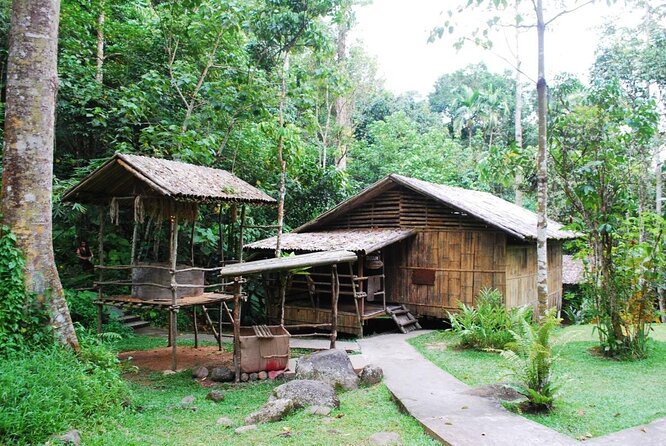
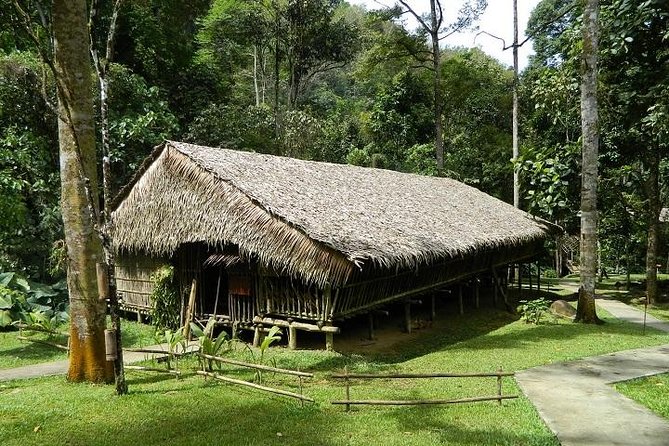
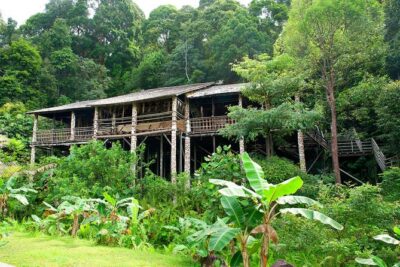
The centerpiece is the traditional house tour with demonstrations. This is where the tour stops being “nice shows and food” and becomes a living lesson. You are shown how different communities are represented through housing, daily practices, and the kind of cultural storytelling people used to pass down over generations.
You should treat this section like a museum guide, not like a casual stroll. Ask questions if you can, and pay attention to how the guide explains what you are seeing. In the feedback you have here, the tour guides named Mac, Aril, and Zul are repeatedly praised for being engaging and informative, with a sense of humor that keeps it from becoming a lecture.
Also, don’t just look at the structure. The value is in the demos. That is where you can connect the idea of community life to tangible details, from the way spaces are used to how traditions are portrayed during the visit.
If you get a guide who runs the house tour with energy, the whole experience clicks. If you are expecting quiet, slow pacing, you might find it more animated than you planned for. Either way, this part is usually the highlight because it is interactive and visual.
Five communities in one visit: Dusun, Rungus, Murut, Bajau, Lundayeh
Mari-Mari is built around a combination of five ethnic groups: Dusun, Rungus, Murut, Bajau, and Lundayeh. Each one is represented with its own stories, dance, and historical background as explained through the guided flow.
This matters for two reasons.
First, it’s efficient. Instead of chasing separate cultural experiences across Sabah, you get a concentrated overview in a single day.
Second, it helps you compare. The differences in dance styles, food choices, and the way traditions are presented give you hooks to remember what you learned.
There is also a chance you will see references to major historical themes that often show up in cultural storytelling in the region, including the idea of headhunting, which is mentioned as a topic people enjoy learning about. Whether your interest is history, culture, or food, this variety helps keep the day from going stale.
The only drawback is that it can get busy. Your visit time is fixed, and the village runs multiple groups. When more groups overlap, it can feel a little crowded around the demo points. That is not usually a dealbreaker, but it’s a good mindset to show up flexible.
A handful of Kota Kinabalu bookings we rated recently


Traditional lunch and high tea: value, timing, and what to expect
Food is included, and that alone is a big part of the value at $58 per person. You should expect a traditional local lunch served inside Mari-Mari. On top of that, high tea is included.
I like included meals because they remove one of the most common travel hassles: hunting for food near a rural attraction, then paying tourist pricing, then hoping it is vegetarian-friendly or simple to eat quickly. Here, the meal is part of the program, so you can focus on the culture instead of planning snacks.
From the feedback, the food is described as good, with plenty of options and sampling tied to different tribes. People also mention trying different foods and beverage choices linked to the communities you learn about. That suggests the meal is not just a single plate, but part of the cultural storytelling through taste.
One practical point: in at least one case, someone said lunch and the timing around it became awkward because they were not feeling well and wanted to leave early. The lesson for you is simple: if you have health concerns, speak up early and ask how flexible the schedule is before you get comfortable in the village. Also, plan for the lunch segment to be a fixed part of the day.
Cultural show and performance: the part that makes it feel alive
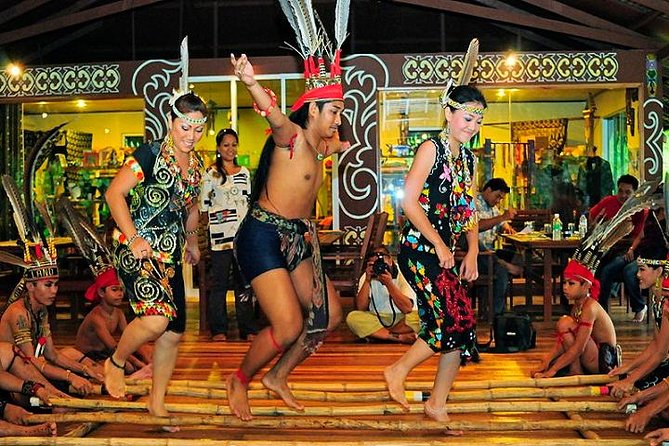
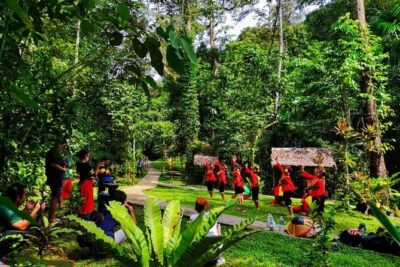
The tour includes a cultural show and performance. This is where dance and music translate the stories you heard earlier into something you can feel. People describe the performances as awesome and very entertaining, and they also praise guides who keep things interactive.
If you learn best by doing or watching, this section is your payoff. Even if you are not a die-hard culture fan, the show helps make the day memorable because it breaks the pace after the house tour and meal.
If you are traveling with kids, this show is likely one of the reasons the day works. It gives them something to focus on that is more active than just listening.
The one thing to keep in mind is that shows can be scheduled in a way that depends on the day’s flow and crowd size. If you are the type who hates waiting around, bring patience, especially on rainier days when people tend to move slower.
Transport and group size: where value can rise or sink
The tour includes roundtrip transportation with pick up and drop off in Kota Kinabalu (centrally located hotels). It also lists an English-speaking driver and the use of a mobile ticket.
In terms of the experience quality, transport is a major factor because the village is not always easy to reach on your own with peace of mind, especially if you only have a half-day window.
Here is where the reviews show a split, and you should plan accordingly.
Many people praise drivers for being prompt and easy to communicate with, including one mention of Napoleon as a great taxi driver and another praise for WhatsApp updates. On the other hand, some feedback complains about late pickup, vehicle discomfort, and longer than expected return timing.
So my practical advice: treat the pickup time seriously and build in a little buffer. If you can, confirm the pickup location clearly with the operator the day before. Also, keep your day flexible enough that if the road leg runs late, you are not immediately stressed.
If you hate any uncertainty, and you are comfortable arranging your own ride, you might prefer buying village admission directly and handling transport yourself. That said, you lose the guided structure and the inclusion of lunch and high tea.
Price and logistics: is $58 a good deal
Let’s talk value honestly.
At $58 per person, you are paying for a guided half-day program that bundles together:
- pickup and drop off in central Kota Kinabalu
- English-speaking driver and transportation
- admission to the village
- a house tour with demos
- a cultural show and performance
- lunch and high tea included
If you price those pieces separately, you usually end up paying more in both money and time, especially once you factor in the effort of finding the right transport and coordinating timing for a rural attraction.
So for most people, the price looks fair because it reduces the “planning tax.” Where the value can dip is when transport quality is off, like late pickup or a long wait at the end. The village part itself is where people tend to feel happiest, so you want the road portion to work smoothly.
My bottom-line take: this is good value if you show up with realistic expectations about it being a shared group and if you treat it as a structured culture day rather than a private, custom itinerary.
Who should book this Mari-Mari Cultural Village tour
This is a strong fit if you:
- want a guided introduction to Sabah culture without spending your day figuring out logistics
- like hands-on demos and a clear program flow
- appreciate food as part of culture learning (lunch and high tea are included)
- are traveling with family and want something that can hold attention
It might be less ideal if you:
- want guaranteed private touring with no sharing of timing
- dislike waiting, crowding, or outdoor walking when it is busy
- need very strict timing due to a tight departure window
If you are traveling with seniors or anyone with mobility concerns, you might find the walking and outdoor pace tiring, since the itinerary includes bridge crossing and village walking. The information you have does not spell out accessibility details, so plan for normal walking ability.
Rain plan: how to keep the day comfortable
Rain can be a real factor in Sabah. One review calls out that rainy weather made the jungle feel more real, and that a poncho was available for purchase if needed.
So I’d pack a basic rain strategy:
- a light rain jacket or poncho you can keep on
- shoes that handle wet ground
- a small towel or extra socks if you run hot and dislike damp clothes
The good news is that the tour does not cancel just because it rains. The cultural vibe can even feel more atmospheric when the area is wet. Just go prepared.
Should you book? My honest call
Book this tour if you want a structured, beginner-friendly way to learn about Sabah’s cultures in about half a day. The big strengths are the house tour with demos, the welcome ceremony and Chief intro, and the fact that lunch plus high tea are included as part of the cultural program. If you land with a strong guide, names like Mac, Aril, and Zul come up with praise for being engaging and entertaining, and that can make the whole day feel personal.
Skip it or consider a different setup if you absolutely need a smooth, no-wait transport experience, or if you need your timing locked to a strict schedule like a cruise shore window. The transport experience can be inconsistent, and because this is a shared program with limited group size, delays can ripple into your day.
If you want the safest way to enjoy it, treat this as a cultural tour day, not a rush-through checklist. Show up on time, bring rain gear, and lean into the guided parts. That is when Mari-Mari feels worth every minute.
FAQ
What is the duration of the Mari-Mari Cultural Village tour?
The tour is about 5 hours total, with around 3 hours spent at the village.
How much does the tour cost?
The price is listed as $58.00 per person.
Is pickup included?
Yes. Hotel pick up and drop off is included for centrally located hotels in Kota Kinabalu.
What is included with the price?
The tour includes roundtrip transportation, an English-speaking driver, admission, a house tour with demo, lunch and high tea, plus cultural show and performance.
Is this a private tour?
It is described as a shared tour, with a maximum of 15 travelers.
What languages are covered?
The driver is listed as English speaking, and the tour guide is part of the guided program.
Do I need a ticket on my phone?
Yes, a mobile ticket is included as part of the tour setup.
Can I cancel for a full refund?
Yes, you can cancel for a full refund if you cancel at least 24 hours before the experience’s start time.
More Tours in Kota Kinabalu
More Tour Reviews in Kota Kinabalu
More Village Visits
Other Kota Kinabalu write-ups from our reviewers
- Sabah: White Water Rafting Grade 3-4 at Padas River
★ 4.7 · 3 reviews - Kinabalu Park Day Trip
★ 3.5 · 3 reviews - Kota Kinabalu : Mari-Mari Cultural Village Day Tour
★ 4.7 · 3 reviews - Kota Kinabalu | Snorkeling Sapi Island/Manukan Island
★ 3.1 · 3 reviews - Full Day JomTour! Memorable Experience in Kota Kinabalu, Sabah
★ 3.0 · 4 reviews
More Cultural Villages & Longhouse Visits.
 ★ 5.0Private Tour Kampung Gipsi Sabah Cultural Village Kota KinabaluFrom $2532 reviews
 ★ 5.0Mari Mari Village & Bongawan Cruise PackageFrom $12132 reviews
 ★ 4.7KAMPUNG GIPSI-DAY TRIP TO BAJAU HEAVEN FREE NASIGORENG & TEHFrom $7617 reviews
 ★ 4.5Mari-Mari Cultural Village Visit + Lunch + transferFrom $8516 reviews
 ★ 5.0Sarawak Cultural Village Tour from KuchingFrom $11213 reviews
★ 5.0Sarawak Cultural Village Tour from KuchingFrom $8612 reviews
★ 5.0Sarawak Cultural Village Tour from KuchingFrom $11213 reviews
★ 5.0Sarawak Cultural Village Tour from KuchingFrom $8612 reviews
 ★ 4.5Mari Mari Cultural VillageFrom $10011 reviews
 ★ 4.5Semenggoh Orangutan Center & Sarawak Cultural VillageFrom $15810 reviews
Other Malaysia lists with this tour