
REVIEW · CULTURAL VILLAGES & LONGHOUSE VISITS
Mari Mari Cultural Village Tour from Kota Kinabalu
In This Review
- Five ethnicities, one easy half day
- Key highlights at a glance
- A half-day into traditional Sabah, set up for real learning
- Pickup from Kota Kinabalu: easy start, comfortable ride, and clear timing
- Mari Mari Cultural Village entrance: briefing first, then you walk in
- Five ethnic communities, with stories and dance you can follow
- Fire-starting and blowpipe-making: the demonstrations that make it feel real
- Traditional dance and the big performance moment
- Lunch inside the village: included, convenient, and a quality win
- Your guide and the small-group advantage (Ariel’s kind of help is rare)
- Price and extras: what $145.43 buys, and what could cost more
- Who should book this, and who might prefer something else
- Should you book Mari Mari Cultural Village from Kota Kinabalu?
- FAQ
- How long is the Mari Mari Cultural Village tour from Kota Kinabalu?
- What is included in the tour price?
- Is lunch included, and where is it served?
- How many ethnic groups does the village showcase?
- What demonstrations and performances are part of the experience?
- Are there any extra charges?
- What should I wear or bring?
Five ethnicities, one easy half day
This cultural village day trip turns Sabah into a living lesson, not a slideshow, with a small group and hands-on demonstrations. I love the limited group size (max 15), which keeps the visit relaxed and question-friendly, and I love that lunch is included inside the village, so you do not lose time to meal hunting.
One thing to consider: the village visit is only about 3 hours on site, so if you want deep, long explanations for every topic, you may wish you had more time in the schedule.
Sabah side, a few more we rated
- Guided Snorkeling Day Trip, Kota Kinabalu, Sabah, Malaysia★ 5.0 · 282 reviews
- Borneo (Klias) River Cruise & Fireflies Tour★ 4.5 · 126 reviews
- Kota Kinabalu: Snorkeling & Island Hopping Sapi & Manukan★ 3.9 · 97 reviews
- Leisure Diving | Fun Dives | 3 Dives in TARP, Kota Kinabalu★ 5.0 · 94 reviews
Key highlights at a glance
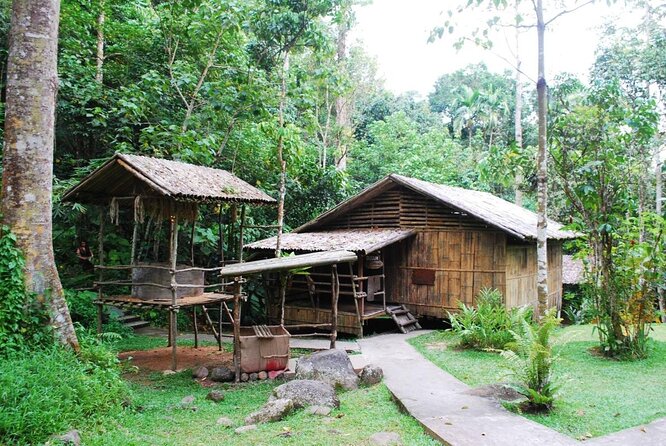
- Chief-led welcome ceremony that sets the tone before you walk in
- Suspension bridge entrance for an easy, memorable first step into the village
- Five ethnic communities featured through stories and traditional dance
- Fire-starting and blowpipe-making demonstrations that make culture feel practical, not just theatrical
- Air-conditioned van with hotel pickup and drop-off for low-stress logistics
- Lunch inside the village to keep the day moving without extra planning
A half-day into traditional Sabah, set up for real learning
This is the kind of tour that works well when you only have a short window in Kota Kinabalu and you still want something authentic. Instead of racing through town stops, you spend most of your time in one place focused on indigenous life in Sabah, with demonstrations and performances that help you connect what you see to why it matters.
I also like how the experience is structured for first-timers and families. You get guided context from the start, so you are not left guessing what each dance, tool, or ritual is meant to represent. And because the group is capped at 15 people, your guide can actually talk with you, not just at you.
The biggest trade-off is time. You are only on the village grounds for around three hours, which means you will get a strong overview, not a semester-long study.
Pickup from Kota Kinabalu: easy start, comfortable ride, and clear timing
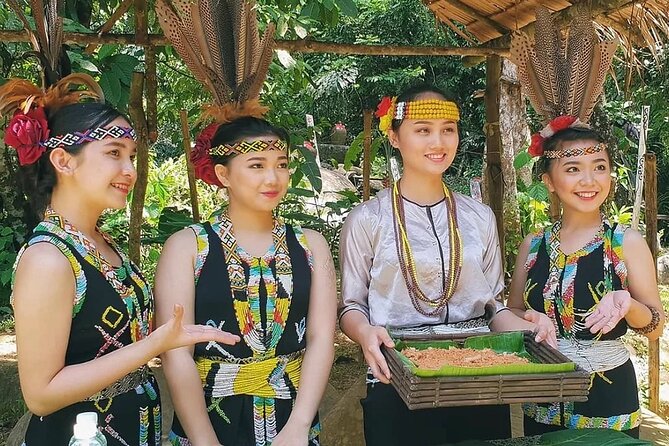
The tour is built around hotel or cruise terminal pickup and drop-off in Kota Kinabalu. That matters. Sabah traffic can be unpredictable, so having someone coordinate the timing makes the day feel smooth.
You usually depart either at 0900 or 1400 for the roughly 5-hour total experience. The ride to the village is about 40 minutes, and the vehicle is air-conditioned, which is a real plus in the warmer parts of the day.
Small practical tip: if you are sensitive to heat, plan to wear something you can stay comfortable in for a short walk and outdoor time. The tour dress guidance is casual wear plus comfortable walking shoes.
Mari Mari Cultural Village entrance: briefing first, then you walk in
When you arrive at Mari Mari, you are not just dropped into the middle of a show. There is a village rules briefing before you enter. That’s a good sign for visitors, because it tells you how to behave respectfully right away.
Then you are greeted by the Chief as part of a custom welcome ceremony. It is one of those moments that helps you understand this is not a theme park. The ceremony is meant to set context and welcome you into the experience.
After that, you walk across a suspension bridge to enter the cultural village area. It is short, but it does something important. It marks the shift from modern roads to the village space, and it gives you that quick, physical sense of arrival.
Consideration: if you do not like walking on uneven surfaces or crossing a bridge, tell yourself you will be doing a little movement, not a seated museum visit.
More village visits, Sabah and Sarawak
Five ethnic communities, with stories and dance you can follow
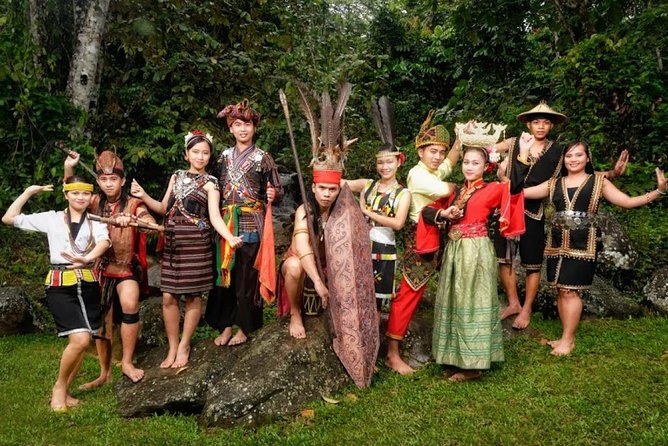
One of the tour’s best selling points is that it covers multiple indigenous groups in one visit. Mari Mari Cultural Village features five ethnicities: Dusun, Rungus, Murut, Bajau, and Lundayeh.
What I like about this format is the way it helps you spot differences without requiring you to be an expert before you show up. Each group has its own stories and traditional dance, and the guide helps connect what you see to the broader identity of the community.
You should expect the experience to feel like a guided walkthrough of cultural themes, not a single performance. You will see repeated elements like dance and demonstrations, but the content shifts as each group is introduced. That variety keeps the visit from becoming repetitive.
Time reality check: because you cover five groups within a few hours, the guide gives you clear highlights, not exhaustive detail on every custom. Think of it as a strong introduction you can build on later.
Fire-starting and blowpipe-making: the demonstrations that make it feel real
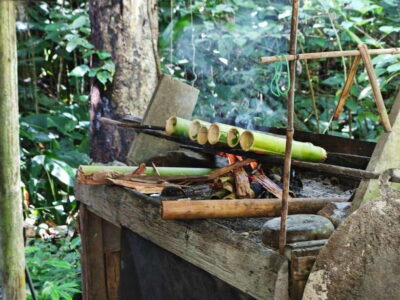
This tour is specifically known for fire-starting and blowpipe-making demonstrations. That is a smart choice because these are skills that people can immediately understand as practical, historical, and tied to daily life.
The best way to watch these is to pay attention to how the guide frames them. When someone explains the purpose and context, a tool stops being an object on display and becomes part of a story about survival, food, and community knowledge.
Also, do not treat the demonstrations as a quick photo moment. Give your full attention for the first few minutes. You will usually catch more the second time you look, because the guide’s explanation makes the steps more meaningful.
Traditional dance and the big performance moment
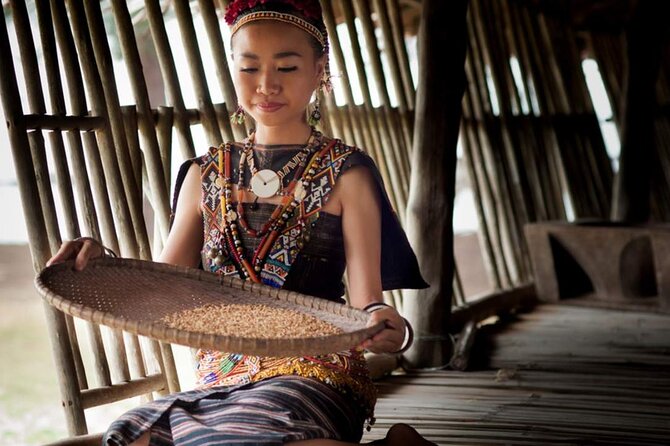
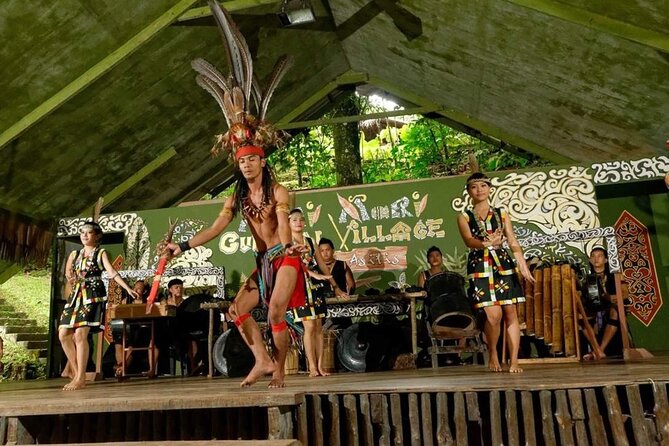
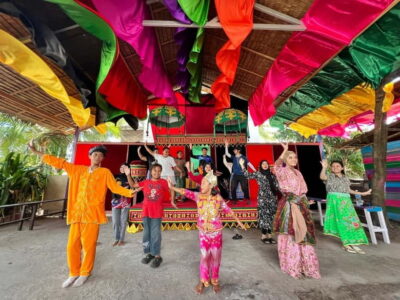
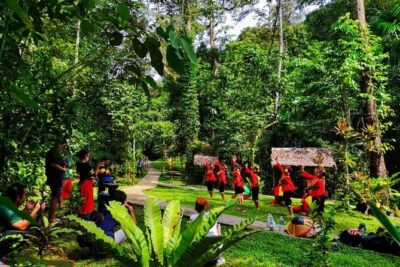
A major highlight is the dancing show, which is described as colorful and entertaining, and the tour experience is capped with a culminating performance that stands out. Even if dance is not your usual thing, the guide’s narration is what keeps it from feeling random.
Here’s what makes dance on this kind of tour worth your time: it is often tied to identity, storytelling, and community roles. If the guide explains what you are seeing, you can enjoy the movement while also picking up cultural meaning.
Practical advice: sit where you have a clear view, and be ready for the fact that performances take place in an outdoor village setting. Comfortable footwear helps, because you may shift your position during the show.
Lunch inside the village: included, convenient, and a quality win
Lunch is included and served inside Mari Mari itself. I like this because it protects your time. You are not bouncing back to Kota Kinabalu for food mid-tour, and you avoid the common problem of hungry, tired visitors slowing down the schedule.
The lunch is also described as very good in the experience reports, which matters. When a tour includes a meal, you want it to be more than just a token snack.
What to do: eat at a normal pace and pace yourself for the walk back to the transport. If you arrive hungry, start with a slower first few bites, because you will likely be outdoors and moving afterward.
Your guide and the small-group advantage (Ariel’s kind of help is rare)
With a group limited to 15 travelers, the guide can do more than recite facts. An English-speaking guide leads the day, and one guide name that comes up is Ariel.
The standout part about guides like Ariel is not just the English. It is the way they explain differences between the tribes in a way you can actually keep track of. Instead of overwhelming you, the explanations feel organized around what you are seeing in front of you.
If you are traveling with kids or you are a first-time visitor to Borneo, this is a major value. You can ask quick questions during the walk, or you can listen for the patterns: how one community’s dance differs, how demonstrations link to daily life, and what the stories are trying to teach.
Price and extras: what $145.43 buys, and what could cost more
The published price is $145.43 per person, with pickup from Kota Kinabalu hotels included. To judge value, look at what is bundled:
- Hotel or cruise terminal pickup and drop-off
- English-speaking guide
- Lunch
- Air-conditioned vehicle
- Admission to Mari Mari Cultural Village
For many tours, the admission ticket alone is a separate cost, and lunch is usually extra. Here, it is built in. When you add those pieces together, the price feels more realistic for a guided, half-day cultural outing, especially with a small group.
Potential added costs are clearly called out:
- A 30% surcharge during super peak or festive season, paid on the day of travel
- An extra USD 9 per person for 1 Borneo Hotels and outskirt hotels pickup and drop-off
Another practical note: the tour requires a minimum number of travelers to operate. If it does not meet that threshold, you may be offered another date or experience, or a full refund.
If you want this tour to be painless, book early enough to lock in your preferred time slot, since it is often reserved about a month in advance on average.
Who should book this, and who might prefer something else
This tour fits best if you want:
- A short, guided introduction to indigenous cultures in Sabah
- Cultural demonstrations like fire-starting and blowpipe-making
- Traditional dance performances explained by an English-speaking guide
- A low-stress day with hotel pickup and drop-off in Kota Kinabalu
- A group experience that stays friendly because it is capped at 15 people
It may be less ideal if you:
- Want a long, slow, museum-style experience where you can study each community in detail for hours
- Prefer deep nature hikes or big wildlife stops as the main event
The experience is family-friendly in spirit and designed for first-time visitors. So even if you are not a culture-travel expert, you should still enjoy it.
Should you book Mari Mari Cultural Village from Kota Kinabalu?
If you are looking for one easy way to understand Sabah’s indigenous diversity in a single half day, I think this is a strong pick. The combination of guided welcome, five-ethnic programming, hands-on demonstrations, and included lunch is a practical value package. The small-group cap helps the whole day feel personal instead of rushed.
Book it if you want a guided cultural overview without complicated planning, and you are comfortable doing a short walk and some outdoor time. Consider another option if you are the kind of traveler who needs long, uninterrupted time with each subject.
FAQ
How long is the Mari Mari Cultural Village tour from Kota Kinabalu?
The tour runs for about 5 hours in total.
What is included in the tour price?
The price includes hotel (or cruise terminal) pickup and drop-off, an English-speaking guide, lunch, air-conditioned transport, and admission to Mari Mari Cultural Village.
Is lunch included, and where is it served?
Yes, lunch is included and served inside Mari Mari Cultural Village.
How many ethnic groups does the village showcase?
Mari Mari Cultural Village features five ethnicities: Dusun, Rungus, Murut, Bajau, and Lundayeh.
What demonstrations and performances are part of the experience?
You can expect fire-starting and blowpipe-making demonstrations, plus traditional dance shows, including a culminating performance.
Are there any extra charges?
There can be a 30% surcharge during super peak or festive season, paid on the day of travel. There may also be an additional USD 9 per person for pickup and drop-off at 1 Borneo hotels and outskirt hotels.
What should I wear or bring?
Bring a cap or hat, comfortable walking shoes (or sandals and slippers), and casual wear. It also helps to have some extra pocket money.
More Tour Reviews in Kota Kinabalu
More Village Visits
Sabah, More From Us
Other Kota Kinabalu write-ups from our reviewers
- Sabah: White Water Rafting Grade 3-4 at Padas River
★ 4.7 · 3 reviews - Kinabalu Park Day Trip
★ 3.5 · 3 reviews - Kota Kinabalu : Mari-Mari Cultural Village Day Tour
★ 4.7 · 3 reviews - Kota Kinabalu | Snorkeling Sapi Island/Manukan Island
★ 3.1 · 3 reviews - Full Day JomTour! Memorable Experience in Kota Kinabalu, Sabah
★ 3.0 · 4 reviews
More Cultural Villages & Longhouse Visits.
 ★ 4.5Mari-Mari Cultural Village Tour Including LunchFrom $5845 reviews
 ★ 5.0Private Tour Kampung Gipsi Sabah Cultural Village Kota KinabaluFrom $2532 reviews
 ★ 5.0Mari Mari Village & Bongawan Cruise PackageFrom $12132 reviews
 ★ 4.7KAMPUNG GIPSI-DAY TRIP TO BAJAU HEAVEN FREE NASIGORENG & TEHFrom $7617 reviews
 ★ 4.5Mari-Mari Cultural Village Visit + Lunch + transferFrom $8516 reviews
 ★ 5.0Sarawak Cultural Village Tour from KuchingFrom $11213 reviews
★ 5.0Sarawak Cultural Village Tour from KuchingFrom $8612 reviews
★ 5.0Sarawak Cultural Village Tour from KuchingFrom $11213 reviews
★ 5.0Sarawak Cultural Village Tour from KuchingFrom $8612 reviews
 ★ 4.5Mari Mari Cultural VillageFrom $10011 reviews
Other Malaysia lists with this tour