
REVIEW · MALAYSIAN COOKING CLASSES
New Malaysian Kitchen Cooking Class and Garden Tour
Gardens and street food in one morning. This Kuala Lumpur area cooking class with Sara Khong is built around a real family kitchen, plus a garden tour where you can see how everyday spices grow. I especially love the small group size for hands-on coaching, and the garden focus on plants like turmeric and curry leaves. One consideration: it runs as a 4-hour morning session outside central KL, so you’ll want to plan transport so you arrive unhurried.
If you like your food education practical, this is the kind of class that teaches you how things actually get put together in Malaysian home cooking. You’ll cook multiple dishes from scratch, get a recipe booklet, and then share a meal while chatting about food and culture.
In This Review
- Key points at a glance
- A family kitchen session with real Malaysian herbs
- What makes it feel personal
- The morning flow: flower tea, herb garden, then five dishes
- 1) Welcome with flower tea
- 2) Organic edible garden tour with 50-plus plants
- 3) Cooking in a real Malaysian kitchen, hands-on
- 4) Recipe booklet so you can cook again
- 5) Meal together, then cultural chat
- Price and value: what you get for $150
- Location outside central KL, and why it’s worth it
- What to expect during the cooking: the teaching style
- Picking your dishes: how to choose what you’ll cook
- Garden-to-kitchen learning: why the plant tour helps
- Best for whom, and who might want a different option
- Should you book New Malaysian Kitchen Cooking Class and Garden Tour?
- FAQ
- What is the duration of the cooking class and garden tour?
- Where does the tour start?
- How many people are in the group?
- What time does the activity run?
- What do you do in the garden?
- What do you cook during the class?
- Do you eat what you cook?
- Is a recipe booklet included?
- How far in advance should I book?
Key points at a glance
- Family-run kitchen led by Sara Khong, an author of four Malaysian cookbooks
- 50-plus edible garden plants, including herbs, spices, and flowers used in daily cooking
- Small group of max six for close, personalized instruction
- Hands-on cooking of five Malaysian dishes you choose
- Eat what you make at the end, with time to chat with the family
- Recipe booklet included, so you can cook again at home
Cook it yourself: other classes we sat in on
- LaZat Malaysian Cooking Class★ 5.0 · 87 reviews
- Malaysia Cooking Classes With Local★ 5.0 · 87 reviews
- New Malaysian Kitchen Cooking Class and Garden Tour★ 5.0 · 54 reviews
- Market Visit & Private Hands-on Cooking Class at Daun Senja★ 5.0 · 51 reviews
A family kitchen session with real Malaysian herbs
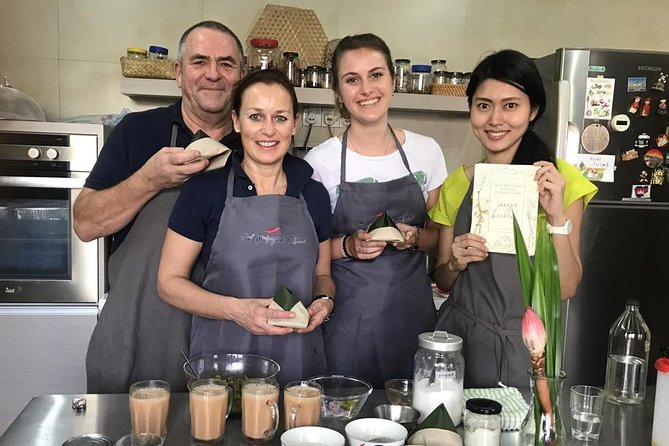
This class is designed for people who want more than a demo. You start with a short welcome ritual, then you move into the edible garden, and you finish back in the kitchen making a meal that feels earned.
The big draw is the combination of hands-on cooking and ingredient context. You aren’t just told what to do. You see, touch, smell, and taste plant ingredients first, then you cook with them right away. That link matters, especially with Malaysian flavors where aromatics and spice balance are everything.
Also, the host matters. Sara Khong, a professional cook and cookbook author, guides the session. Based on what’s been shared by past participants, she is calm, patient, and explains steps clearly, which is a relief if you’re not a confident home cook.
What makes it feel personal
A max group size of six changes the whole vibe. In a big class you can end up watching. Here, you’re more likely to get direct attention as you chop, stir, and adjust seasoning.
And since it’s family-run, you get more than a checklist of techniques. You get a sense of how Malaysian families talk about food, how they think about comfort dishes, and why certain ingredients are non-negotiable in their kitchens.
The morning flow: flower tea, herb garden, then five dishes
The schedule runs as a morning experience. The class listing hours show Monday to Friday from 9:00 AM to 1:00 PM, and the activity is about 4 hours. In practice, expect you’ll be moving from welcome to garden to kitchen without long gaps.
1) Welcome with flower tea
You’ll start with a glass of flower tea. It’s a small thing, but it’s part of the tone: friendly, local, and grounded in the home setting rather than a formal studio.
If you’re sensitive to new tastes, start slow. Flower teas can be fragrant, and you’ll likely be drinking it before your garden stop, when you’ll want to focus on flavors later.
A handful of Kuala Lumpur bookings we rated recently
2) Organic edible garden tour with 50-plus plants
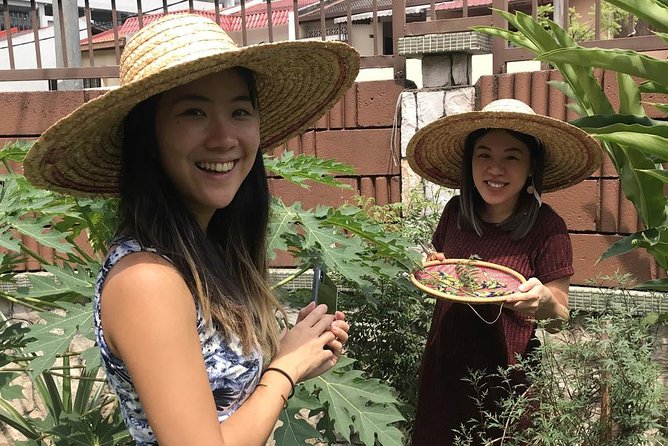
Next comes the garden. You’ll explore an organic edible garden with more than 50 herbs, vegetables, and fruit. This is where the class becomes more than cooking lessons, because you’re building intuition for Malaysian ingredients.
You might get hands-on moments like:
- seeing turmeric plants and learning how they’re used
- tasting or smelling curry leaves in real form
- noticing spices and cooking flowers that show up in everyday dishes
This is especially useful if you’ve cooked Malaysian food before using supermarket jars or packets. Garden-based learning helps you connect the flavor to the plant, and it can make your future grocery shopping less stressful.
3) Cooking in a real Malaysian kitchen, hands-on
After the garden, you head into the kitchen. You’ll cook five Malaysian food dishes hands-on. You also get to pick which dishes you want to make, so you can tailor it to your taste.
Common dishes that people report learning include:
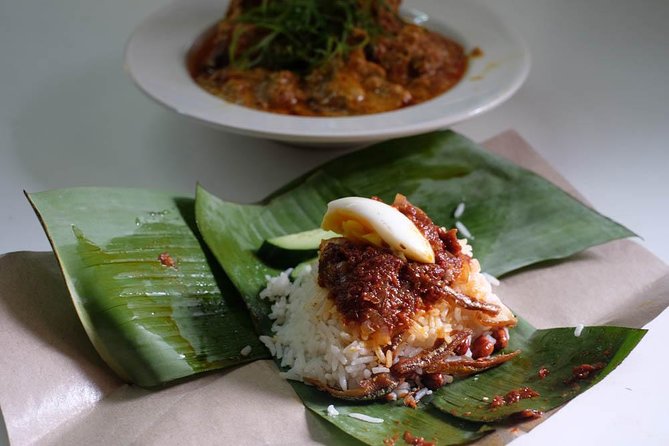
- Nasi Lemak
- Chicken Rendang
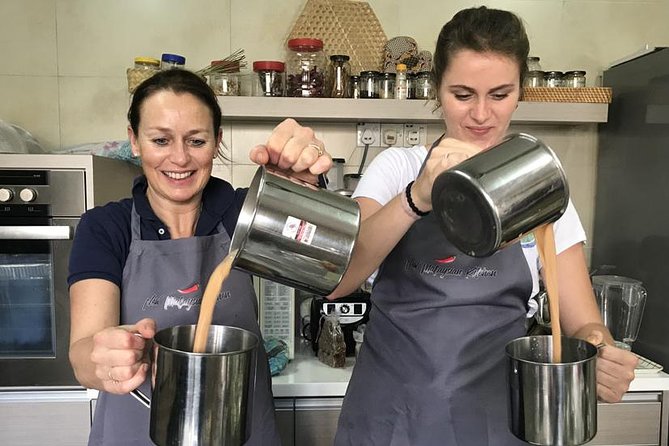
- Teh Tarik, pulled tea
- Ondeh-Ondeh
- Angled bean salad
If you’re trying to plan around what you actually want to eat, this “choose your dishes” part is key. Nasi Lemak is a great anchor if you’ve never cooked Malaysian food at home. If you want something more intense, rendang is a strong choice.
4) Recipe booklet so you can cook again
You’ll receive a recipe booklet. That’s one of the highest value parts of a class like this, because good memories fade, but written steps let you recreate the dishes when you’re back in your own kitchen.
One practical tip: take a photo of your final setup during cooking if you’re allowed, and then compare it to the booklet later. Even without fancy equipment, that visual cue can help you reproduce the right texture.
5) Meal together, then cultural chat
When you finish cooking, you eat your creations together. There’s also time to chit-chat with the family about Malaysian food, culture, and lifestyle.
This part is more than polite small talk. It helps you understand the “why” behind the flavors. For example, people often learn that what tastes good isn’t just about one spice, it’s about how aromatics work together and how the balance shifts from dish to dish.
Price and value: what you get for $150
At $150 per person for a 4-hour class, you’re paying for a few things most city cooking classes don’t fully deliver: a small group, a real home-kitchen setting, and ingredient time in an edible garden.
You also get:
- personalized attention for up to six participants
- hands-on cooking of five chosen dishes
- a recipe booklet you can use at home
- the meal included
If you compare this to cooking classes that feel like guided entertainment, the value improves fast. You’re not just tasting. You’re cooking, learning ingredient behavior, and leaving with enough recipes to plan an actual Malaysian meal night.
Also, it’s booked about 32 days in advance on average, which suggests it’s popular. If you’re traveling in peak season or on weekdays, you’ll likely want to lock in early so you can get your preferred day.
Location outside central KL, and why it’s worth it
You meet at No. 2, Jalan 11, Taman Len Seng, 56000 in Kuala Lumpur. The class happens at a neighborhood location about 20 minutes from the city.
That may sound like a hassle if you’re in a rush. But in this case, the distance is part of the point. Being outside the core urban center makes the garden component realistic, and it also keeps the class grounded in home life rather than a tourist kitchen.
Still, you should plan transport with a little buffer. The session is morning-based, and you’ll want to arrive before the flow starts so you don’t feel rushed during the tea and garden portion.
What to expect during the cooking: the teaching style
The cooking instruction is built around step-by-step guidance and hands-on work. Based on the kinds of experiences people describe, Sara’s teaching style is patient and attentive, and she helps participants feel capable even if they don’t cook often.
Here’s what that typically means for you:
- You’ll likely get help choosing and preparing ingredients
- You’ll get clear guidance on timing and technique
- You’ll learn how to adjust seasoning during cooking
Some participants also mention feeling welcomed into the family rhythm, including meeting Sara’s mother as part of the home environment. Even when you’re part of a small group, the atmosphere can feel like a private lesson.
One thing to consider: because you’re cooking multiple dishes, come with energy. This isn’t a slow craft class. It’s active, and you’ll be using your hands a lot.
Picking your dishes: how to choose what you’ll cook
Since you make five dishes of your choice, your best strategy is to choose a mix that covers different flavor styles.
A practical way to decide:
- Choose one classic rice or coconut-based dish, like Nasi Lemak
- Choose one spicy, deeper flavor dish, like Chicken Rendang
- Choose one drink, like Teh Tarik, if you want a skill you can show off
- Choose one sweet, like Ondeh-Ondeh, if you want desserts you can actually replicate
If you’re a beginner, you might still enjoy rendang or sweets, as long as you’re open to following the steps closely and asking questions as you go.
If you have dietary needs, you should clarify them ahead of time since the class includes specific Malaysian street-food style dishes. The provided information doesn’t list menu alternatives, so messaging the operator first is the safest move.
Garden-to-kitchen learning: why the plant tour helps
The garden isn’t a decorative add-on. It’s there to help you connect the ingredients to your cooking.
When you see ingredients like turmeric and curry leaves in their growing context, you’re better able to:
- understand why fresh aromatics taste different
- recognize what to look for when shopping
- remember flavor cues beyond one specific spice
Also, the garden includes edible flowers and herbs used in everyday cooking. That can change how you think about Malaysian cuisine. It’s not only chilies and coconut. It’s also fragrance, freshness, and subtle floral notes that can pop in a dish.
You’ll likely leave with a more confident “ingredient mental map,” which is what you really want from a cooking class.
Best for whom, and who might want a different option
This experience fits best if you:
- want a hands-on cooking session, not a sit-and-watch class
- like learning why ingredients work, not just following a recipe
- want to cook classic Malaysian dishes you can repeat at home
- prefer an intimate group setting
It may be less ideal if you:
- want a long, flexible schedule with multiple breaks
- dislike early morning starts or prefer purely central KL activities
- only want one dish and don’t care about learning several techniques
If you’re traveling as a couple or with friends, the small group format is a big plus. You’ll get the social side of cooking without the chaotic feel of larger classes.
Should you book New Malaysian Kitchen Cooking Class and Garden Tour?
Book it if you want a grounded, small-group Kuala Lumpur cooking class that mixes gardening, ingredient knowledge, and real cooking in a family kitchen. The high rating and strong recommendation rate suggest this is consistent, and the class format makes it easy to justify the cost because you leave with both knowledge and food.
I’d book sooner rather than later. With weekday morning sessions and a group cap of six, availability can go quickly.
FAQ
What is the duration of the cooking class and garden tour?
The experience is about 4 hours.
Where does the tour start?
The start point is New Malaysian Kitchen, No. 2, Jalan 11, Taman Len Seng, 56000.
How many people are in the group?
The maximum group size is six travelers.
What time does the activity run?
It operates Monday to Friday, 9:00 AM to 1:00 PM.
What do you do in the garden?
You explore an organic edible garden with over 50 herbs, vegetables, and fruit. You can see, touch, smell, and taste local plants used in cooking.
What do you cook during the class?
You cook five Malaysian food dishes of your choice in a real Malaysian kitchen.
Do you eat what you cook?
Yes. You feast on the fruits of your labors and enjoy a delicious meal together at the end.
Is a recipe booklet included?
Yes, you receive a recipe booklet.
How far in advance should I book?
It is booked about 32 days in advance on average, so booking ahead is a smart move.
More Tours in Kuala Lumpur
More Tour Reviews in Kuala Lumpur
Other Kitchens to Book Into
Other Kuala Lumpur write-ups from our reviewers
- Sky Mirror Experience at Kuala Selangor from Kuala Lumpur
★ 4.5 · 3 reviews - Putrajaya Tour From Kuala Lumpur
★ 4.0 · 3 reviews - Private Batu Caves & Petronas Twin Tower Tickets With Lunch *26*
★ 5.0 · 3 reviews - Private Night Tour: Petronas Twin Tower And Shopping
★ 5.0 · 3 reviews - Marina Jetty Pangkor Laut or Lumut Jetty Transfer from Kuala Lumpur
★ 5.0 · 3 reviews
More Malaysian Cooking Classes.
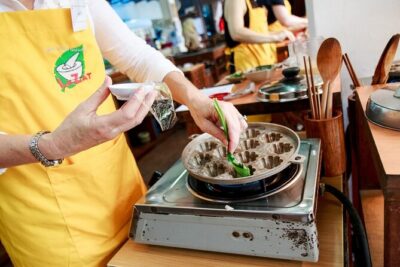 ★ 5.0LaZat Malaysian Cooking ClassFrom $13087 reviews
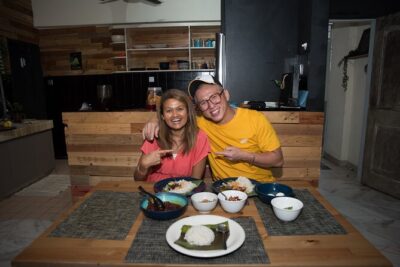 ★ 5.0Malaysia Cooking Classes With LocalFrom $5987 reviews
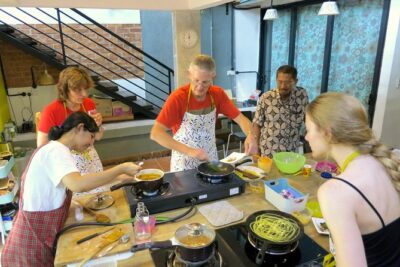 ★ 5.0Market Visit & Private Hands-on Cooking Class at Daun SenjaFrom $13051 reviews
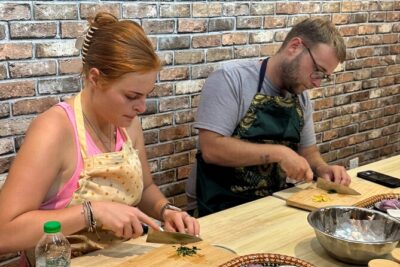 ★ 5.0Malaysian Hands-On Cooking Class : Masala MedleyFrom $6624 reviews
 ★ 4.9Sabah Traditional Authentic Cuisine Cooking Class 3 HoursFrom $5022 reviews
 ★ 5.0Malaysian Cooking Class with Market TourFrom $14911 reviews
Other Malaysia lists with this tour