
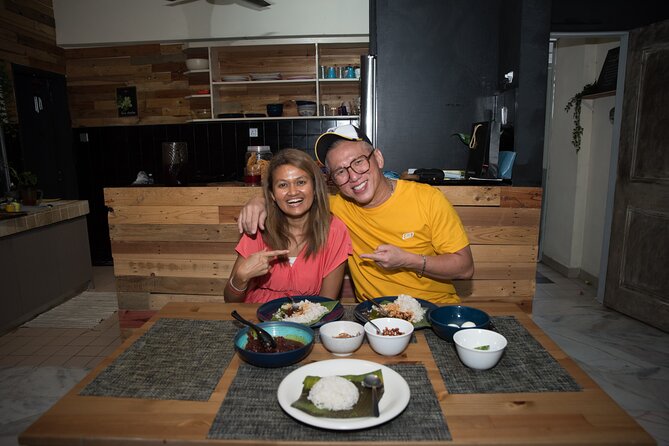
REVIEW · MALAYSIAN COOKING CLASSES
Malaysia Cooking Classes With Local
Coconut rice, chili sambal, and a warm home setting. This hands-on Nasi Lemak cooking class in Kuala Lumpur has you working side-by-side with Fizah, then sitting down to eat the meal you made. You also get the why behind the dish, not just the how.
I especially like the step-by-step coaching as you prep and cook, with plenty of chances to ask questions and get feedback. I also appreciate the personal touch, including how Fizah is described as careful with allergies and making people feel comfortable in her home.
One possible drawback: you do not have a full private cooking station. In many sessions you prep at your own cut-and-prepare area, then the cooking happens together, so it is a shared rhythm rather than totally solo work.
In This Review
- Key Highlights You Should Know
- Why This Nasi Lemak Class Feels Worth It
- Finding Awana Puri Condominium, and What Arrival Feels Like
- Your 3-Hour Flow: Prep Stations, Shared Cooking, Then Lunch
- Rice and Sambal: The Two Skills That Make Nasi Lemak Work
- The Sides That Turn Rice Into a Meal
- Dessert Time: A Local Sweet to Take Home
- The Home Experience: Fizah’s Teaching Style (and Roman’s Conversation)
- Price and Value: What You Get for $59.99
- Who Should Book This Nasi Lemak Workshop?
- Should You Book This Cooking Class?
- FAQ
- What dish will I learn to cook?
- How long is the cooking class?
- Is this a private experience?
- Where do I meet the host?
- Do I get to eat what I cook?
- Is the class suitable for beginners?
- Are there age limits?
- Is it easy to reach by public transportation?
- Will the host help with allergies?
- Do I get a recipe to take home?
- Is there free cancellation?
Key Highlights You Should Know
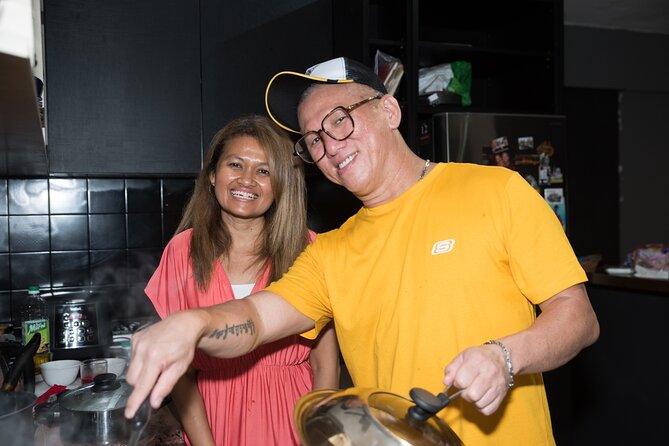
- Hands-on Nasi Lemak cooking, from fragrant coconut rice to spicy sambal
- Personal instruction in a home kitchen, with time for questions and feedback
- Classic sides included, like peanuts, anchovies, and eggs
- Local dessert learning, so you leave with a second recipe to make later
- Small private group feel, with only your group participating
- Allergy awareness, noted by past participants
Cook it yourself: other classes we sat in on
- LaZat Malaysian Cooking Class★ 5.0 · 87 reviews
- Malaysia Cooking Classes With Local★ 5.0 · 87 reviews
- New Malaysian Kitchen Cooking Class and Garden Tour★ 5.0 · 54 reviews
- Market Visit & Private Hands-on Cooking Class at Daun Senja★ 5.0 · 51 reviews
Why This Nasi Lemak Class Feels Worth It
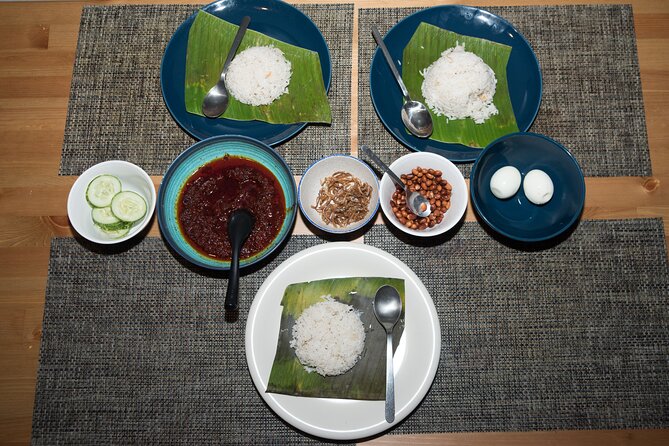
Nasi Lemak is simple to describe and hard to nail. The rice has to be fragrant, not bland. The sambal has to be spicy, but also balanced. And the sides matter because they turn one pot of rice into a real Malaysian meal.
That is what I like about this class setup. You are not just watching someone cook. You are making the core components, learning the steps that create flavor, and then assembling it all so it looks right on the plate. When the meal is done, you also get to eat it together in the same comfortable home setting, which makes the whole thing more than a checklist of recipes.
You also get cultural context, since Nasi Lemak is widely treated as Malaysia’s national dish. Even if you are just there for the food, that background helps you understand why the sides show up the way they do, and how Malaysians build a meal around contrasts like creamy, salty, crunchy, and spicy.
Finding Awana Puri Condominium, and What Arrival Feels Like
The meeting point is Awana Puri Condominium, Jalan 15/119, Taman Mutiara Barat, 56000 Kuala Lumpur. The class ends back at the meeting point.
In practice, this matters because you are going to a residential area, not a big storefront cooking school. That is often a good thing. You get a real home-kitchen experience and you are more likely to get the “how her family cooks” kind of advice.
One note: the class is near public transportation, which is helpful if you do not want to rely only on rideshares. Still, allow extra time the first time you get to a condominium complex. Once you have the pin and the entry details, it is straightforward, but you will want to arrive on time since a 3-hour session moves fast once cooking starts.
Your 3-Hour Flow: Prep Stations, Shared Cooking, Then Lunch
The experience runs about 3 hours and is a private activity, meaning only your group participates.
Based on how the class is described, you usually have a prep station for your group, then you follow along with Fizah’s steps. Past participants mention that everyone cuts and prepares, but the cooking portion is a shared workflow. You are not standing over a fully separate appliance set like you would in some cooking schools. That is the tradeoff for the home setting.
The upside is that you learn the sequence from beginning to end:
- rice cooking (using coconut milk for fragrance and richness)
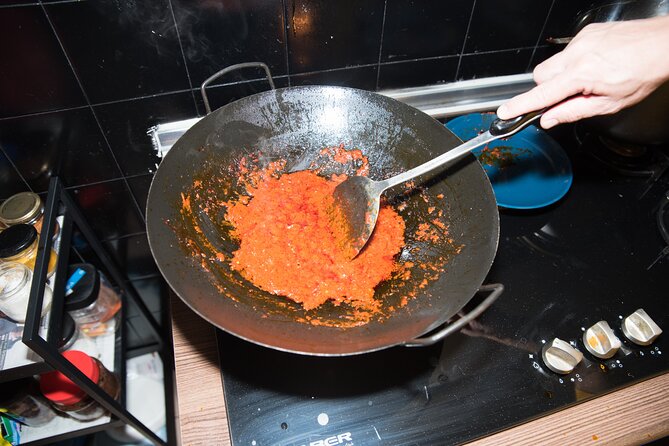
- sambal making (the spicy chili paste)
- cooking or preparing the classic accompaniments
- plating and presentation
This is also where you benefit most from the teaching style. You can ask questions as you go, and you get personalized feedback rather than generic instructions. If you are a beginner, the step-by-step approach helps you avoid the common mistake of adding ingredients at the wrong time. If you cook already, it is still useful because you learn the Malaysian technique, not just a Western idea of what chili paste should be.
Rice and Sambal: The Two Skills That Make Nasi Lemak Work
Nasi Lemak lives or dies by two parts: the rice and the sambal.
For the rice, you learn how to cook fragrant rice with coconut milk, which creates that signature aroma and creamy taste. This is not just “turn on the stove.” Coconut milk changes how the rice behaves, and the timing matters. In a good teaching session, you learn what to watch for during cooking so you can reproduce it later at home.
For the sambal, the class breaks it into practical steps. You learn to make sambal (spicy chili paste) and, just as importantly, you understand how it should taste and feel when it is ready. Spicy sambal can go wrong in two directions. Too mild, and the meal tastes flat. Too aggressive, and the rice gets overwhelmed. A big value of having instruction in a real kitchen is getting that balance through guidance, not guesswork.
A handful of Kuala Lumpur bookings we rated recently
The Sides That Turn Rice Into a Meal
The best part about Nasi Lemak is that it is not only about rice. The accompaniments are part of the flavor math, giving you crunch, saltiness, and richness.
In this class you learn how to prepare classic sides such as:
- peanuts
- anchovies
- eggs
The peanuts bring texture and a toasted, savory note. Anchovies add a salty punch that can taste surprisingly different once you have cooked or prepared them properly. Eggs help round everything out and make the plate feel complete.
Even if your goal is to make Nasi Lemak at home, these sides are where you can level up fast. It is easy to cook coconut rice and call it dinner. It is harder to assemble the components in the Malaysian style and get that balanced bite. This class focuses on that.
Dessert Time: A Local Sweet to Take Home
You are also taught a local dessert, so you end up with more than one recipe to practice later. Even if dessert feels like an optional bonus, it is a smart inclusion because it rounds out your understanding of Malay flavors.
One reason I like this approach: you get to see how Malaysian meals close, not just how they begin. And since the class includes plating and presentation, you get practical tips for making your final plate look like something you would actually want to serve.
The Home Experience: Fizah’s Teaching Style (and Roman’s Conversation)
Fizah teaches the class as an experienced home cook and passionate foodie. The tone from past participants is consistent: she makes people feel welcome, explains clearly, and supports questions during prep and cooking.
A standout theme in the feedback is that the teaching is personal. People describe feeling comfortable in her home, and they also mention she is attentive to allergies. If you have food restrictions, this is the kind of class you want, because it is easier to communicate needs directly than in large, crowded group settings.
There is also mention of Fizah’s husband, Roman, joining the conversation at the table and sharing Malaysia travel tips in some sessions. That is not something I would treat as guaranteed for every booking, but it fits the overall vibe: a meal with cooking, plus real conversation, not just a pass-through demo.
You also get a take-home recipe. That matters more than you might think. The day after, you will remember how the sambal smelled, but not the exact order of steps. Having a written recipe helps you recreate it instead of relying on memory.
Price and Value: What You Get for $59.99
At $59.99 per person for about 3 hours, this is not a bargain class if you only compare the time. But when you compare what is included, the value makes more sense.
You are paying for:
- a private home-kitchen setting
- hands-on instruction for multiple components (rice, sambal, sides)
- learning a second recipe via the local dessert
- ingredients and guided steps that help you reproduce flavor at home
- the social payoff of eating together, plus take-home recipes
Cooking classes that cost less sometimes turn into lecture-heavy sessions. Here, the emphasis is on doing. You are also in a setting where questions get answered, and where the host can adapt for needs such as allergies. That kind of attention costs real time and effort, so it is part of what you are paying for.
Also, the class has strong recent demand with 10+ bookings last month, which usually signals that people are not just browsing. They are actually showing up and leaving satisfied. (It is not a guarantee of quality, but it is a useful signal.)
Who Should Book This Nasi Lemak Workshop?
This experience fits best if you want:
- a hands-on cooking class instead of watching
- a true Malaysian home-kitchen feel in Kuala Lumpur
- to learn foundational Nasi Lemak skills, especially rice and sambal
- a meal you can replicate, since you take home the recipe
It may not fit you as well if you want a fully separate, individual workstation for every participant. Because it is a shared home cooking flow, you will be cooking as a group and following along.
There is also an age rule: no children under 12. If you are traveling with younger kids, you will need a different activity.
Should You Book This Cooking Class?
Book it if you want a practical way to learn Malaysian flavors, not just eat them. If Nasi Lemak is your target, this class focuses on the components that matter most: coconut rice, sambal, and the supporting sides that make the meal feel complete. The home setting, the high satisfaction rate, and the allergy-aware approach add confidence.
Skip it only if you dislike shared cooking stations or you are looking for a multi-dish buffet-style tasting tour. This is a real cooking lesson with a clear rhythm, and you get the most out of it when you enjoy chopping, stirring, and asking questions.
If you want one “bring home the recipe” experience in Kuala Lumpur, this is a strong choice.
FAQ
What dish will I learn to cook?
You will learn how to cook Nasi Lemak, including the rice, sambal, and accompaniments like peanuts, anchovies, and eggs. You will also learn a local dessert.
How long is the cooking class?
The class is about 3 hours.
Is this a private experience?
Yes. It is described as a private tour or activity, so only your group participates.
Where do I meet the host?
The meeting point is Awana Puri Condominium, Jalan 15/119, Taman Mutiara Barat, 56000 Kuala Lumpur, Wilayah Persekutuan Kuala Lumpur, Malaysia. The activity ends back at the meeting point.
Do I get to eat what I cook?
Yes. You will be able to taste your creations at the end of the class, and you sit and eat together.
Is the class suitable for beginners?
Yes. It is described as suitable for all skill levels, including beginners and experienced cooks, with step-by-step guidance and feedback.
Are there age limits?
Yes. The experience notes that there are no children under 12 years old.
Is it easy to reach by public transportation?
The meeting point is described as near public transportation.
Will the host help with allergies?
Reviews mention that Fizah is thoughtful about allergies and respects allergy needs during the class. It is a good idea to share your needs when booking.
Do I get a recipe to take home?
Yes. You will get to take home the recipe.
Is there free cancellation?
Yes. The experience offers free cancellation up to 24 hours in advance for a full refund, based on the local time of the experience.
More Cooking Classes in Kuala Lumpur
More Tour Reviews in Kuala Lumpur
Other Kitchens to Book Into
Other Kuala Lumpur write-ups from our reviewers
- Sky Mirror Experience at Kuala Selangor from Kuala Lumpur
★ 4.5 · 3 reviews - Putrajaya Tour From Kuala Lumpur
★ 4.0 · 3 reviews - Private Batu Caves & Petronas Twin Tower Tickets With Lunch *26*
★ 5.0 · 3 reviews - Private Night Tour: Petronas Twin Tower And Shopping
★ 5.0 · 3 reviews - Marina Jetty Pangkor Laut or Lumut Jetty Transfer from Kuala Lumpur
★ 5.0 · 3 reviews
More Malaysian Cooking Classes.
 ★ 5.0LaZat Malaysian Cooking ClassFrom $13087 reviews
 ★ 5.0New Malaysian Kitchen Cooking Class and Garden TourFrom $15054 reviews
 ★ 5.0Market Visit & Private Hands-on Cooking Class at Daun SenjaFrom $13051 reviews
 ★ 5.0Malaysian Hands-On Cooking Class : Masala MedleyFrom $6624 reviews
 ★ 4.9Sabah Traditional Authentic Cuisine Cooking Class 3 HoursFrom $5022 reviews
 ★ 5.0Malaysian Cooking Class with Market TourFrom $14911 reviews
Other Malaysia lists with this tour