
REVIEW · MALAYSIAN COOKING CLASSES
LaZat Malaysian Cooking Class
Spice-filled mornings in Kuala Lumpur feel personal. This is a small-group class built around a wet market tour and hands-on small-group instruction, not a show for tourists. The food you make is real Malaysian home-cooking, with all ingredients and kitchen gear sorted out for you. One drawback to plan around: transport is not fully handled for you, since getting to the market is on your own.
You’re looking at a 5-hour block that still leaves your afternoon free. Expect provided snacks plus tea and coffee, a light roti canai breakfast, and a take-home recipe book so you can repeat the dishes later. The class is strictly 16 and older, which makes it quieter, but also means this is not a fit for families with younger kids.
In This Review
- Key things that make LaZat Malaysian Cooking Class worth your time
- Half-day Malaysian cooking in Kuala Lumpur: what you’re really buying
- Getting to the start: Pasar Besar TTDI versus the Majestic Hotel mention
- The wet market tour: why shopping for spices first changes your cooking
- Roti canai breakfast, tea, and snacks: fuel before the stove time
- Cooking in the kitchen: what “hands-on” really means here
- The menu you’ll cook: starter, mains, and dessert
- Culture and technique, not just recipes
- The take-home recipe book: how to keep your results at home
- Price and value: is $130 fair for what’s included?
- Who should book LaZat, and who should skip it
- FAQ
- FAQ
- Where does the class start in Kuala Lumpur?
- How long is the LaZat Malaysian Cooking Class?
- Is there a minimum age requirement?
- How large is the group?
- Is there a market tour before cooking?
- What food and drinks are included?
- Is alcohol included?
- Do I get cooking tools and ingredients?
- Can the class accommodate dietary restrictions?
- Is transportation to and from the market included?
- Should you book this cooking class?
Key things that make LaZat Malaysian Cooking Class worth your time
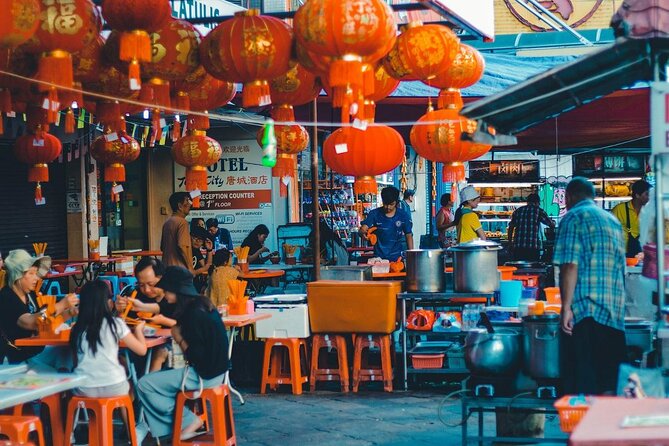
- Wet market tour every day except Mondays, so you can shop ingredients with context
- Full-course cooking, with a starter, main dishes, and dessert
- Your own individual cooking setup, including a mortar and pestle
- Transfer from the wet market to the cooking school, so the switch is simple
- Small group size (max 12) for more hands-on time
- Take-home recipe book, so the cooking doesn’t stop when the class ends
Cook it yourself: other classes we sat in on
- LaZat Malaysian Cooking Class★ 5.0 · 87 reviews
- Malaysia Cooking Classes With Local★ 5.0 · 87 reviews
- New Malaysian Kitchen Cooking Class and Garden Tour★ 5.0 · 54 reviews
- Market Visit & Private Hands-on Cooking Class at Daun Senja★ 5.0 · 51 reviews
Half-day Malaysian cooking in Kuala Lumpur: what you’re really buying
LaZat is one of those experiences where the value is not just in the meal. You’re paying for a morning that turns shopping, cooking, and tasting into one continuous skill-building flow. The class is about 5 hours, and it’s designed to be half-day, so you don’t lose your whole day to a tour.
At $130 per person, it sits in the mid-to-higher range for cooking classes. The price makes more sense when you look at what’s included: individual equipment, ingredients, breakfast, and hot drinks, plus the transfer from the wet market to the school. You also get the recipe book at the end, which is the part that usually separates a “nice show” from something you can actually reproduce at home.
The big theme here is structure. You start in the food market, you understand ingredients and spices in the real context of Malaysian shopping, then you cook in a way that follows the same logic. That’s why the class format matters more than the dishes alone.
Getting to the start: Pasar Besar TTDI versus the Majestic Hotel mention
You’ll want to confirm your exact start point in your confirmation details before you go. The information you’re given includes both:
- A listed start address at Pasar Besar Taman Tun Dr. Ismail (TTDI), TS37, Kuala Lumpur
- A note that the meeting point in Kuala Lumpur is at the Majestic Hotel
Those can both be true depending on how they organize the day. The safe move: use your confirmation message and double-check where you should meet and what time. Also note that the class days and hours line up with a morning schedule.
One more practical point: transport to the wet market is not included. So if you are staying far from TTDI, plan on using taxis or public transit to get there.
The wet market tour: why shopping for spices first changes your cooking
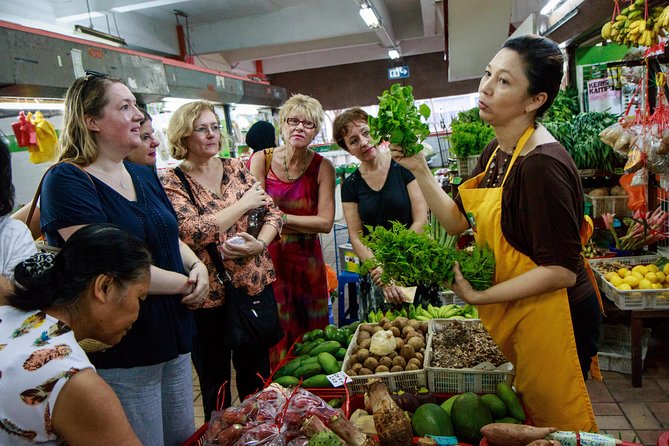
The day starts with a guided market tour at Pasar Besar, and it runs every day except Mondays. This is more than a sightseeing stop. A market tour is where Malaysian cooking stops being a list of dishes and starts being about ingredients.
What you should expect:
- A guided look at spices and ingredients you’ll later use
- Time to see smells, textures, and how different items are handled
- An explanation of what you’re buying and why it matters for flavor
Even if you’re a confident cook at home, the market context helps. Malaysian cuisine is often built on layers, and those layers rely on aromatics like spice blends and chili-based ingredients. When you understand what the ingredients are, you cook with more intention instead of copying steps blindly.
Also, the experience is designed for an English-speaking mix of locals and international guests. If you’re worried about getting stuck due to language, the hands-on format and culture explanations can help you follow along without needing perfect vocabulary.
Roti canai breakfast, tea, and snacks: fuel before the stove time
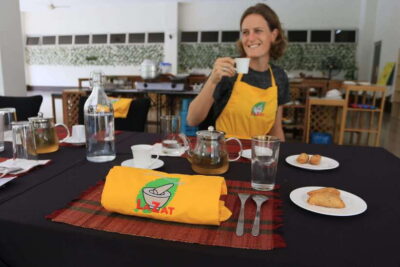
Between the market and the kitchen, you’re given a light roti canai breakfast. You also get coffee and/or tea, and snacks during the class. That matters more than it sounds.
In many cooking classes, you’re stuck waiting hungry while everyone else does prep. Here, the food and drinks are part of the pacing, so you can focus on cooking rather than managing energy.
Roti canai is also a helpful palate warm-up. It’s familiar enough to get you into the mood, but it still connects you to Malaysian breakfast culture. Then the class moves into full-course cooking, so you’re not just tasting bites, you’re building a meal.
A handful of Kuala Lumpur bookings we rated recently
Cooking in the kitchen: what “hands-on” really means here
Once you’ve finished the market tour, you transfer to the cooking school. That transfer from the wet market is included, which saves you time and reduces stress.
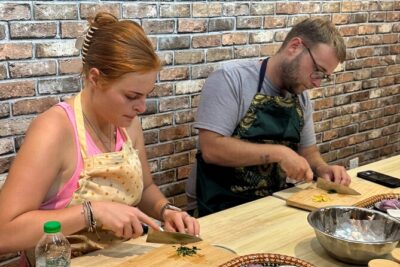
In the kitchen, the class is built around guided cooking for multiple skill levels. If you’re a complete beginner, you’ll still have a clear path. If you cook often, you’ll likely appreciate the cultural context and technique approach.
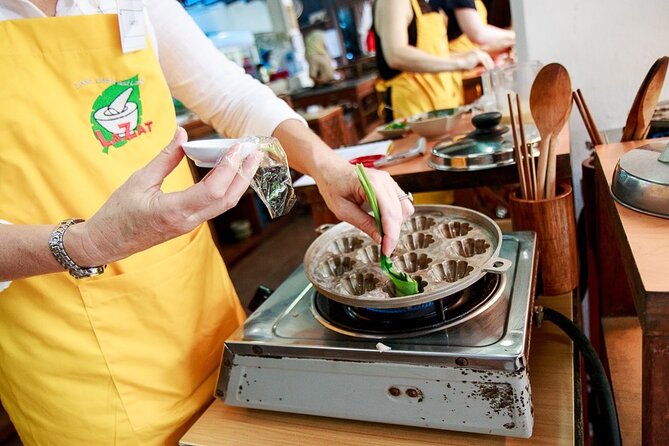
The equipment setup is individual. Each participant gets:
- A gas burner stove
- A countertop station
- Cooking utensils plus traditional utensils
- A mortar and pestle
That individual setup is a big deal. When equipment is shared, people end up waiting, rushing, or watching more than doing. Here, your station helps you keep moving through the steps at your own pace, which is especially important in a class that lasts about half a day.
Group size also matters. The maximum is 12 travelers, which keeps the teacher and helper attention within reach. Smaller classes tend to feel less like a lecture and more like you’re learning in real time.
The menu you’ll cook: starter, mains, and dessert
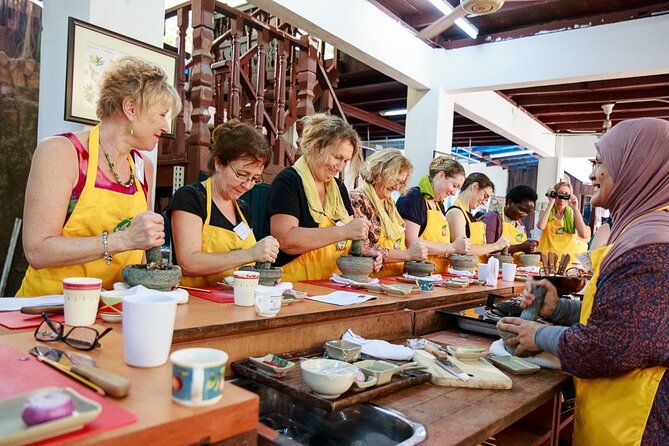
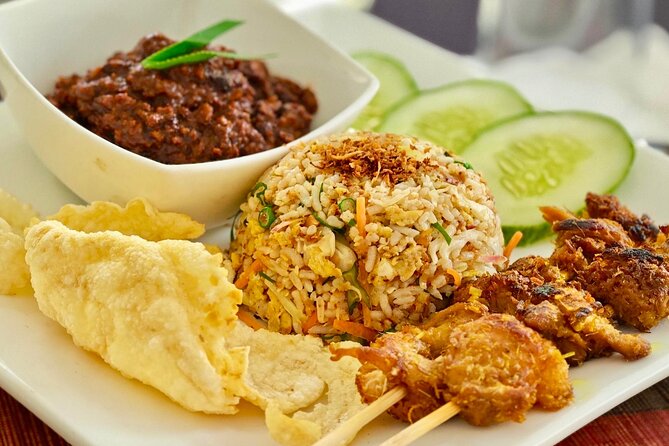
The class runs as a full-course experience, with:
- A starter
- Main dishes
- Dessert
That format is a practical advantage. You’re learning how Malaysian cooking shifts across meal stages. Starters can be about texture and freshness. Mains often focus on spice depth and layering. Dessert is where you see how sweetness is balanced, not just sugary.
One extra note: the menu can vary by day. If you have a specific Malaysian dish you care about, there is at least some flexibility. For example, rendang came up as a goal dish, and the school adapted the menu when it was possible to do so. I would treat this as a “ask early” situation, not a guarantee, but it’s a good sign for people who have a must-cook item.
Culture and technique, not just recipes
Many cooking classes teach you steps. LaZat’s stronger angle is technique plus context. You get the instruction and the reason behind it, and a helper provides cultural insight alongside the cooking guidance.
In practice, this makes a difference in two ways:
- You learn what to look for while cooking, not just what to do next.
- You understand the ingredient logic, so you can adjust when you cook at home later.
It’s also why this class feels authentic. It isn’t only designed to entertain. It’s built to show you how people shop and cook in Malaysia, then give you the tools to repeat it.
The take-home recipe book: how to keep your results at home
At the end of the session, you take home a recipe book. This is the part I consider most important for long-term value.
Cooking at home is where many classes lose people. The taste might be great on the day, but after you’re back in your kitchen, you forget ratios, names, and steps. A recipe book helps you rebuild the process. And because you already handled the ingredients and used the tools, the notes make more sense.
If you want the best chance of success at home, take a few minutes after class to write down what you personally found easiest and what gave you trouble. Then use the recipe book to repeat just the parts you want to master.
Price and value: is $130 fair for what’s included?
$130 can sound steep until you map it to the actual inclusions.
What you’re getting for your money:
- Individual cooking equipment and utensils, plus traditional tools
- Ingredients and a full-course menu (starter, mains, dessert)
- Breakfast roti canai plus snacks
- Tea and coffee during the class
- Transfer from the wet market to the cooking school
- A take-home recipe book
- Small-group size, max 12
What you are not getting:
- Transport to the wet market (Pasar Besar TTDI)
- Transport after the class finishes
- Alcoholic beverages
So, the value depends on your logistics. If your hotel is reasonably easy to reach by public transit or taxi to TTDI, this is a strong deal. If you’re far from the meeting area, transport costs can quietly add up.
Also, you should consider the age policy. Since it’s 16 and older, the class is likely to be quieter and more focused. If you’re traveling as adults, that’s a plus for comfort and attention.
Who should book LaZat, and who should skip it
This class is a strong fit if you:
- Like hands-on activities more than passive tours
- Want a Malaysian market-to-kitchen experience
- Prefer small-group learning
- Want a recipe book you can actually use later
- Enjoy spicy ingredients and spice-adjacent flavors, because the market and cooking approach point that way
It may not be for you if:
- You need door-to-door transportation. Getting to the wet market is on you, and you’re responsible for getting back after.
- You’re traveling with kids under 16.
- You prefer vegetarian-only or allergy-safe experiences without discussing restrictions in advance. You can inform them of dietary needs like vegan, vegetarian, gluten-free, and allergies, but you should still plan to communicate clearly ahead of time.
FAQ
FAQ
Where does the class start in Kuala Lumpur?
The start point is listed at Pasar Besar Taman Tun Dr. Ismail (TS37), Pasar Besar, Taman Tun Dr Ismail, 60000 Kuala Lumpur. A separate note also mentions the Majestic Hotel as an easy meeting point, so check your confirmation for your exact meeting location.
How long is the LaZat Malaysian Cooking Class?
It runs for about 5 hours. The listed opening hours are Tuesday through Saturday from 8:30 AM to 1:30 PM.
Is there a minimum age requirement?
Yes. The experience is for people aged 16 and older.
How large is the group?
The maximum group size is 12 travelers.
Is there a market tour before cooking?
Yes. There is a guided market tour, available every day except Mondays.
What food and drinks are included?
Included items include a light breakfast (roti canai breakfast), snacks during the class, and coffee and/or tea.
Is alcohol included?
No. Alcoholic beverages are not included.
Do I get cooking tools and ingredients?
Yes. You receive an individual set of equipment and traditional utensils, plus ingredients for the dishes.
Can the class accommodate dietary restrictions?
You can inform the operator in advance about vegan, vegetarian, gluten-free needs, or allergies.
Is transportation to and from the market included?
Transfer from the wet market to LaZat Cooking School is included after the market tour. Transport to the wet market (Pasar Besar TTDI) and transport after the class finishes are not included.
Should you book this cooking class?
I’d book LaZat if you want the best kind of cooking class, one that starts at the market, ends with real full-course cooking, and gives you the tools to cook again later at home. The small group size, individual equipment, and take-home recipe book make it feel like a serious learning session, not a generic food outing.
Skip it or think twice if your schedule depends on full pickup and drop-off, because transport to the wet market and after the class is not included. Also, if you’re traveling with kids under 16, this one won’t match your group. If those points work for you, this is a strong value way to experience Malaysian food culture in Kuala Lumpur.
More Cooking Classes in Kuala Lumpur
More Tour Reviews in Kuala Lumpur
Other Kitchens to Book Into
Other Kuala Lumpur write-ups from our reviewers
- Sky Mirror Experience at Kuala Selangor from Kuala Lumpur
★ 4.5 · 3 reviews - Putrajaya Tour From Kuala Lumpur
★ 4.0 · 3 reviews - Private Batu Caves & Petronas Twin Tower Tickets With Lunch *26*
★ 5.0 · 3 reviews - Private Night Tour: Petronas Twin Tower And Shopping
★ 5.0 · 3 reviews - Marina Jetty Pangkor Laut or Lumut Jetty Transfer from Kuala Lumpur
★ 5.0 · 3 reviews
More Malaysian Cooking Classes.
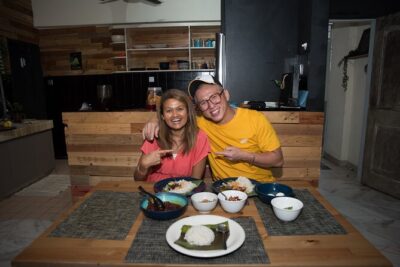 ★ 5.0Malaysia Cooking Classes With LocalFrom $5987 reviews
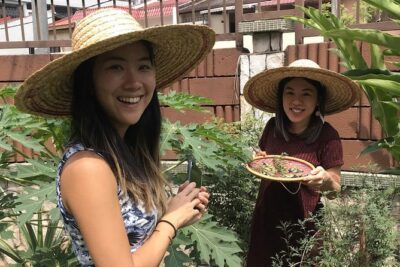 ★ 5.0New Malaysian Kitchen Cooking Class and Garden TourFrom $15054 reviews
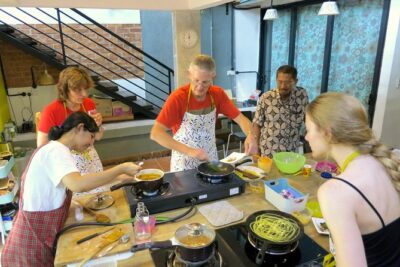 ★ 5.0Market Visit & Private Hands-on Cooking Class at Daun SenjaFrom $13051 reviews
 ★ 5.0Malaysian Hands-On Cooking Class : Masala MedleyFrom $6624 reviews
 ★ 4.9Sabah Traditional Authentic Cuisine Cooking Class 3 HoursFrom $5022 reviews
 ★ 5.0Malaysian Cooking Class with Market TourFrom $14911 reviews
Other Malaysia lists with this tour