
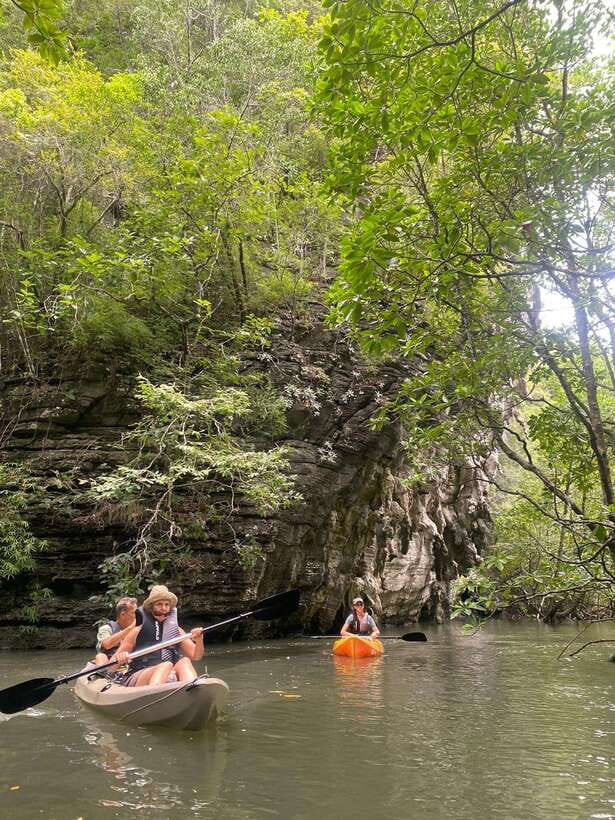
REVIEW · KILIM GEOPARK MANGROVE CRUISES
Small Group, Big Heart: Kilim Karst Mangrove Kayak Adventure
Mangroves feel calm. Here, you paddle close and learn fast, inside Kilim Karst Geoforest Park. In a 6-person limit setup, you glide on quiet kayaks, spot macaques and birds, then finish with a trip to the limestone bat cave where insect-eating bats live.
Two things I like a lot: the chance to watch wildlife without barging around, and the way the guides connect what you see to how the mangroves and bats fit together. One thing to consider, though, is that this includes a bat cave stop and you need to be comfortable with the physical side of kayaking, because the tour is not suitable for everyone.
In This Review
- Key highlights to look for
- Kilim Karst in 4 Hours: What This Half-Day Really Gives You
- Meeting at Kilim Karst Main Entrance, Green Table Food Court Area, Then a Short Speedboat
- Kayaking the Mangroves: Close Wildlife, Calm Water, and Eco-Conscious Conduct
- What the Guide Does Between Paddles: Safety Briefing and Spotting Smarter
- Floating Hub Lunch: Fried Rice, Water, and a Chance to Reset
- The Bat Cave Stop: Limestone Formations and Insect-Eating Bats
- Price and Value at $69: Gear, Lunch, and Boat Transport Included
- Who This Is Best For, and Who Should Skip It
- Small-Group Tips That Improve Your Day (No Fancy Stuff Needed)
- Should You Book This Kilim Karst Mangrove Kayak and Bat Cave Tour?
- FAQ
- How long is the Kilim Karst mangrove kayak and bat cave tour?
- What is the group size?
- Where do I meet for the tour?
- Is hotel pickup or transfer included?
- What is included in the price?
- Is sunscreen included?
- What time of day is this tour?
- What should I bring?
- What animals and wildlife might I see?
- Who is this tour not suitable for?
Key highlights to look for
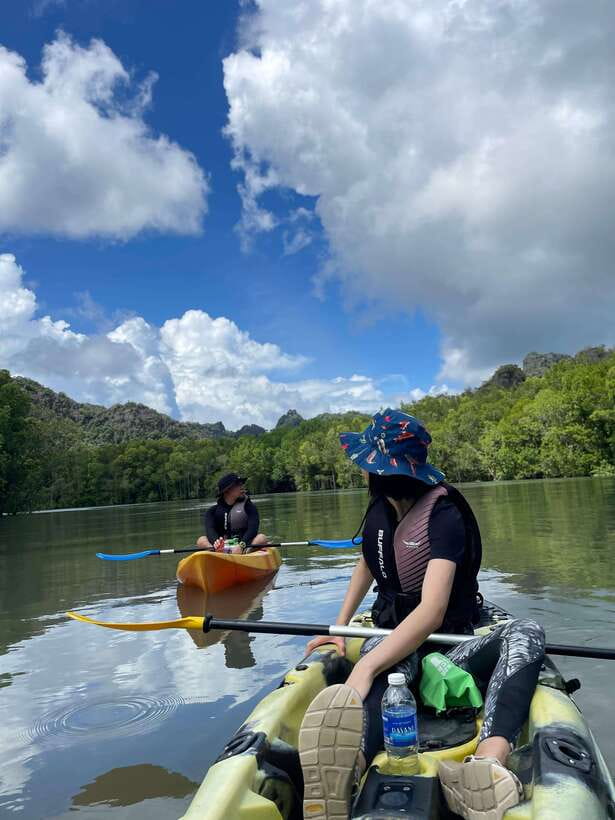
- 6 people max: smaller group means less disturbance for wildlife and more time to ask questions
- Quiet mangrove kayaking: close-up views with small, low-impact kayaks and calm water
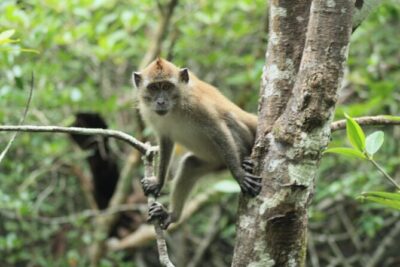
- Wildlife spotting chances: long-tailed macaques, dusky leaf monkeys, eagles, and kites
- Lunch on the floating hub: fried rice (chicken or veggie) plus a break with scenic views
- Bat cave visit: limestone formations and insect-eating bats in their natural habitat
Other boats through the same mangroves
- Langkawi : Kilim Mangrove Boat & Fun Kayak Tour with Lunch★ 5.0 · 23 reviews
- Langkawi: Mangrove Jet Ski Tour with Drone Video★ 4.8 · 18 reviews
- Langkawi Tanjung Rhu Mangrove Private Boat Tour 2 Hours★ 4.7 · 10 reviews
- Langkawi: Private 2-Hour Mangrove Tour with Hotel Transfer★ 4.4 · 8 reviews
Kilim Karst in 4 Hours: What This Half-Day Really Gives You
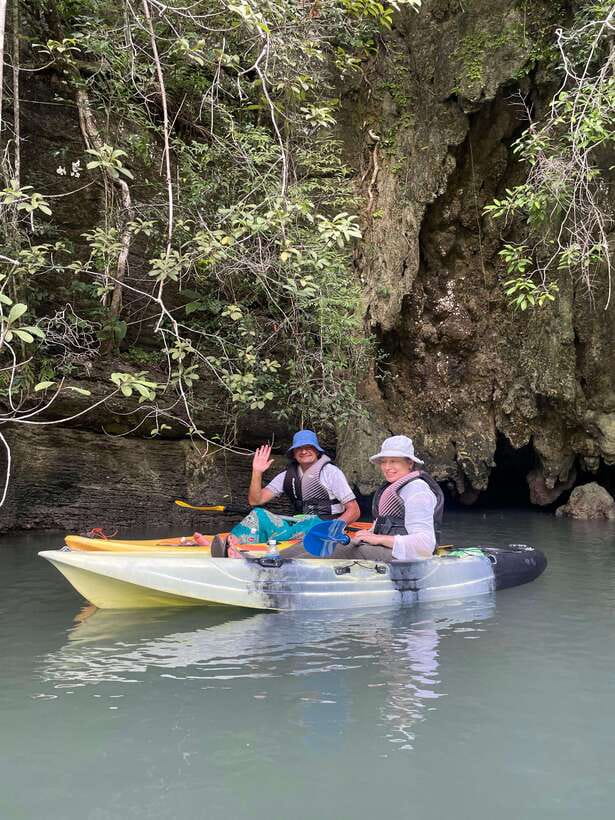
This is a compact Langkawi nature tour that mixes two very different habitats in one smooth run: mangrove waterways, then a limestone cave for bats. The timing matters. Four hours is long enough to feel like you actually did something outdoors, but short enough that the day stays flexible after.
The real value is the approach. You are not racing through stops. You are moving slowly in a kayak where silence helps, and you are learning as you go, instead of just snapping photos and leaving. The small-group size also keeps the experience calm. That matters in mangroves, where wildlife tends to move away if people get noisy or crowded.
At $69 per person, the price feels fair once you add up what’s included: kayaking gear, guide, boat transport, a dry bag, and lunch. The tour also builds in a safety briefing, so you are not winging it on day one.
Meeting at Kilim Karst Main Entrance, Green Table Food Court Area, Then a Short Speedboat
You meet at the main entrance, at the green table food court area. From there, you head toward the jetty and take a short boat ride to the hub where the kayaks are stored. Expect this as a quick orientation phase, not a long transfer.
This matters for planning. There is no pickup or transfer from your hotel included, so you’ll want to budget time to get to the meeting point on your own. If you are staying a bit far out, give yourself cushion. The good news is the tour is only half-day, so it’s easier to fit into a tight Langkawi schedule.
On the water, that short speedboat leg is useful. It gets you set up at the right starting area without making the kayaking portion too short. It also helps you transition from land to the mangrove environment without feeling like you spent forever traveling first.
Kayaking the Mangroves: Close Wildlife, Calm Water, and Eco-Conscious Conduct
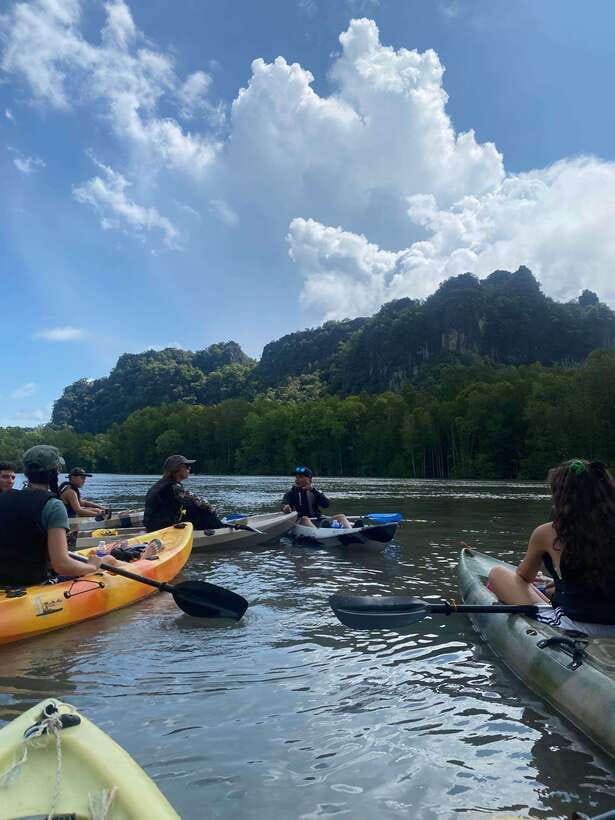
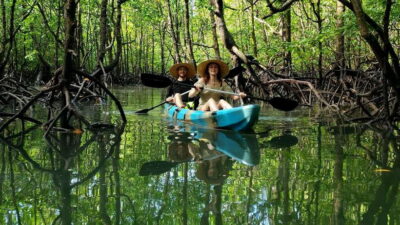
The star of this tour is kayaking through the mangroves of Kilim Karst Geoforest Park. The guides use small, quiet kayaks on calm water, which is exactly what you want here. Mangroves are busy ecosystems, but they can feel deceptively still. When you paddle slowly and keep your distance, you notice the details: shapes of roots, bird activity overhead, and monkey movement along the branches.
Wildlife spotting is a big part of the appeal, and the tour gives you realistic targets:
- long-tailed macaques
- dusky leaf monkeys
- birds including eagles and kites
What makes this more than a checklist is how the guides explain the ecosystem. If you end up with a guide like Qin, you’ll likely get clear, structured explanations about what you are seeing and why it matters in this mangrove setting. In at least some small-group situations, the guide attention can feel extra personal, even when the group is smaller than the max.
The eco rules also shape the experience. You are not allowed to feed animals, touch animals, or touch plants. Those restrictions might sound strict, but they protect the wildlife and help keep the waterways from turning into a noisy feeding show. It’s also why you get better wildlife behavior and less frantic movement from animals.
Practical notes you’ll be glad to remember:
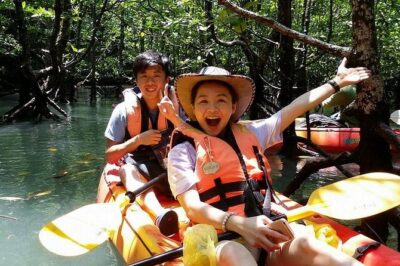
- You get a dry bag and secure storage, so you can bring your phone or camera without stress.
- Wear comfortable clothes. Jeans are not allowed.
- Bring insect repellent. You will be outside.
- Expect you may get splashed.
What the Guide Does Between Paddles: Safety Briefing and Spotting Smarter
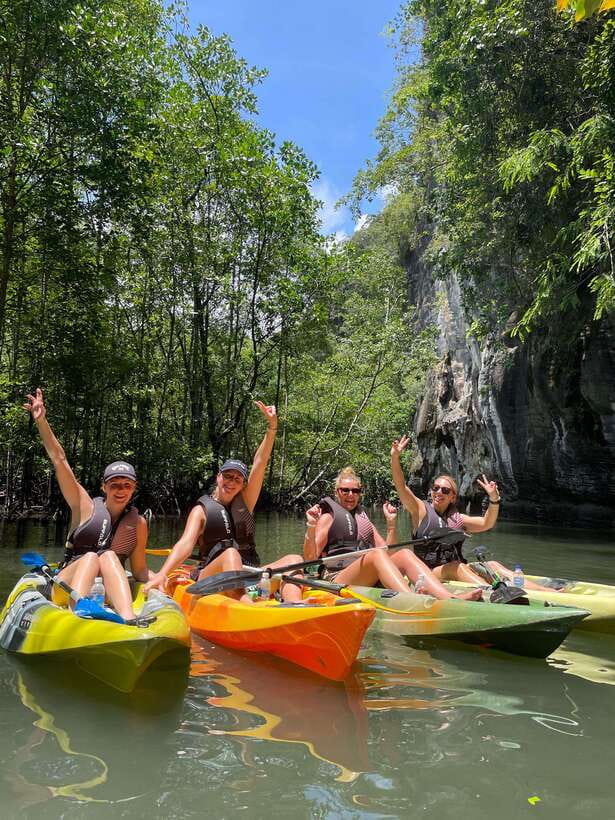
Before you go full paddle mode, you’ll have a safety briefing. This is not just formalities. It helps you handle the kayak calmly and know what to do if you need to adjust your posture or pace. That matters because mangrove kayaking is quieter than open-water paddling, and you need control, not speed.
The guides also take your spotting into account. Instead of shouting at wildlife, they help you notice patterns. For example, birds often clue you into what’s happening in the canopy, and monkeys move in ways that suggest food or shelter. When the guide explains that, the mangrove stops being scenery and becomes a system you can understand.
If you care about details, this is also the moment you’ll learn why the tour stays low-impact. You are limited to a maximum of 6 participants per tour specifically to reduce disturbance and environmental impact. In a place like this, it’s not just a feel-good policy. Fewer people means fewer ripples, fewer abrupt stops, and less pressure on wildlife.

Floating Hub Lunch: Fried Rice, Water, and a Chance to Reset
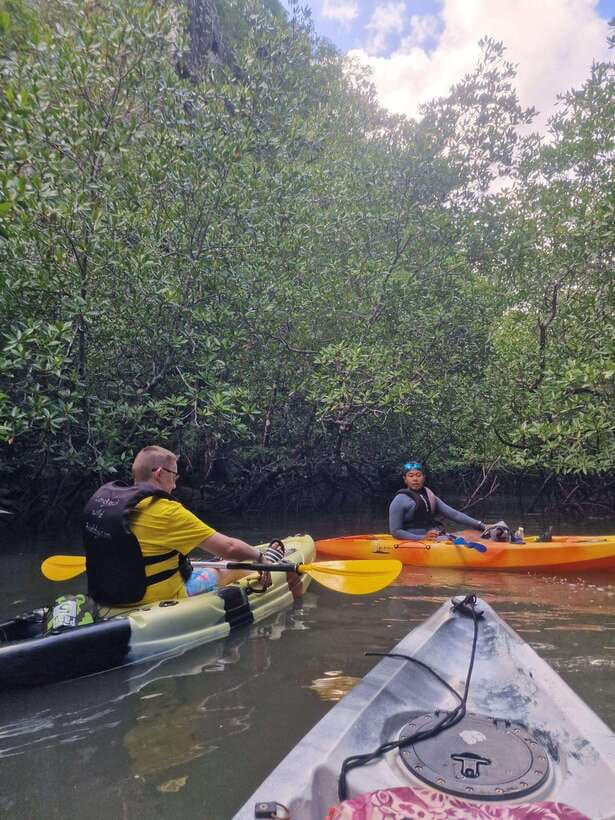
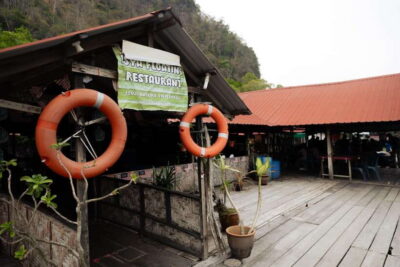
After kayaking, you relax at the floating hub. This is where you get lunch: fried rice with chicken or a veggie option, plus bottled water. It’s a simple meal, but it’s timed well. You get food after paddling, when you are hungry, not right before you start exerting energy.
The hub also gives you a scenic pause. You can sit, cool down, and look around before heading to the next stop. That buffer is underrated. It keeps the whole tour from feeling like a nonstop rush.
One practical reminder: sunscreen is not included, so if you are prone to sunburn, bring it. A hat also helps a lot, especially on sunny days when you are on the water.
The Bat Cave Stop: Limestone Formations and Insect-Eating Bats
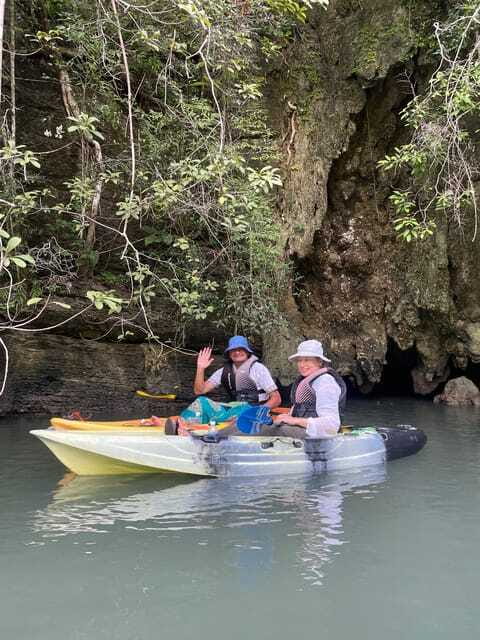
Then comes the second act: a boat trip to the bat cave. This part is built around the idea that bats belong here, in their natural limestone habitat. The bats are described as insect-eating bats, and the guide will explain their role in the ecosystem.
Inside the cave, you also explore rock formations. Limestone caves tend to have strong textures and shapes, and the goal here is observation, not rough handling. You are not allowed to touch plants, touch animals, or take actions that could disturb the cave environment, so you can focus on seeing.
One note for your decision-making: this stop is not suitable for people with claustrophobia. Caves can feel tight, and even if you are generally fine underground, you should be honest about how you handle enclosed spaces. The other non-ideal category is anyone with health limits or low fitness, since the overall tour still requires a level of physical comfort.
Price and Value at $69: Gear, Lunch, and Boat Transport Included
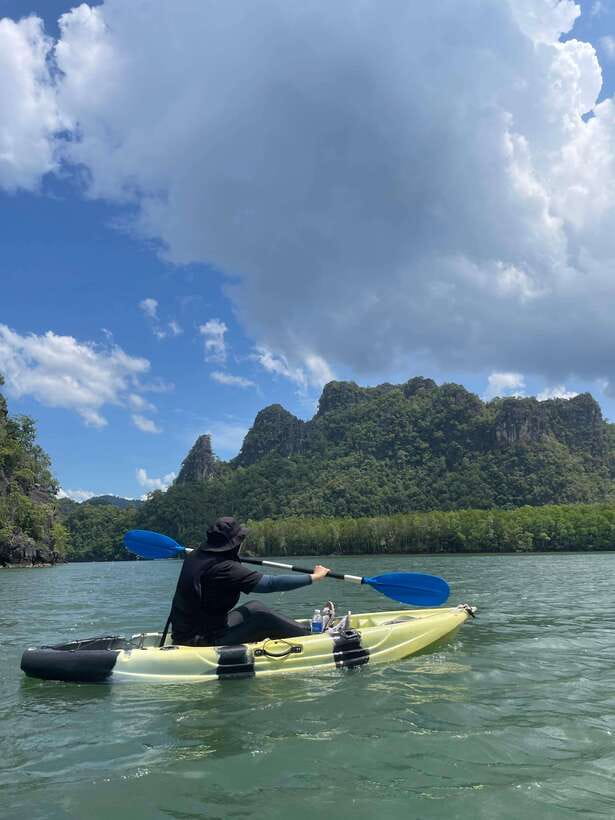
Let’s talk value in plain terms. You pay $69 per person for:
- kayaking gear
- a dry bag
- secure storage
- guide
- boat transport
- lunch (fried rice, chicken or veggie)
- bottled water
You do not pay for:
- pickup and hotel transfer
- sunscreen
- towel
- toilet fee
- additional food and drinks
So the tour cost is strongly tied to what you would otherwise spend on logistics and basic gear. The kayaking gear plus guide time is usually the main expense in these nature tours, and here it’s covered. Lunch is also included, which means you are not stuck trying to find food after the kayaking leg while you’re tired and damp.
If you compare this to piecing together transport and a kayak rental separately, the included structure is what you’re paying for. It’s not just the kayak. It’s the guided wildlife time, the bat cave visit, and the boat legs connecting everything.
Who This Is Best For, and Who Should Skip It
This is a nature-focused outdoor tour, so it fits best when you want wildlife and education and you can comfortably handle kayaking and cave conditions.
It is not suitable for:
- children under 4
- pregnant women
- people with back problems
- people with claustrophobia
- people with heart problems
- wheelchair users
- people with animal allergies or food allergies
- people prone to seasickness
- people over 70 years
- people over 75 years
- people over 95 years
- people over 209 lbs (95 kg)
- people with recent surgeries
- people with kidney problems
- people with low level of fitness
That list is a lot, but it’s the kind of detail that helps you avoid a miserable day. If any of those apply, you’ll likely do better with a different Langkawi activity.
Who will love it:
- couples or solo travelers who want a calmer pace
- bird and wildlife lovers who care about observation rules
- travelers who prefer a small group and a guide who explains the ecosystem
- people happy to bring their own sunscreen and insect repellent, and dress comfortably
Small-Group Tips That Improve Your Day (No Fancy Stuff Needed)
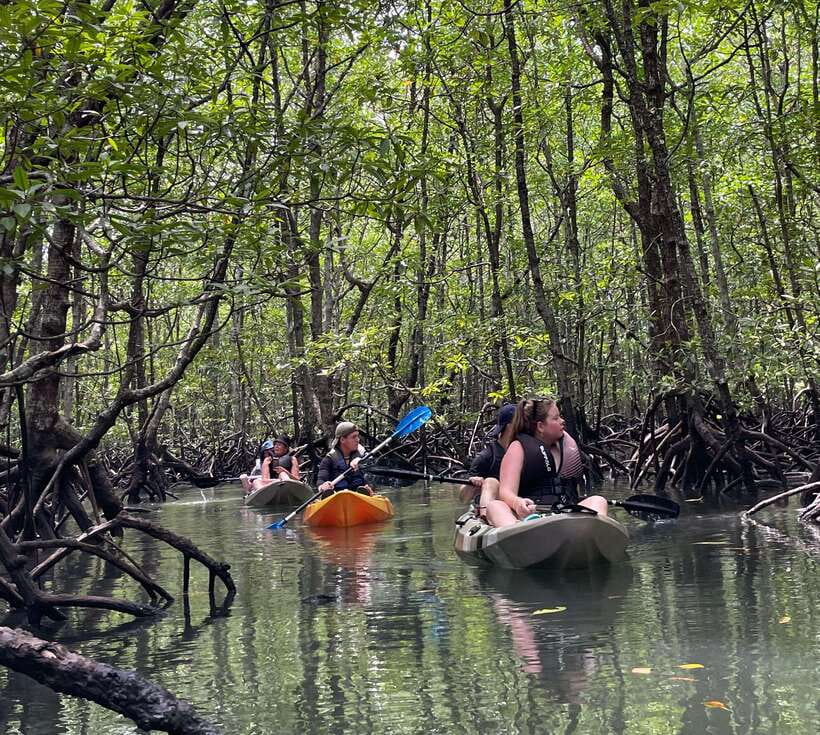
Here’s how to make the tour smoother from the moment you arrive.
First, show up ready for outdoors. Bring:
- hat
- camera
- sunscreen
- water
- comfortable clothes
- insect repellent
Second, follow the restrictions so you don’t lose time at check-in. You cannot wear jeans, and jewelry is not allowed. Leave those at your accommodation. Pets and large luggage are also not allowed.
Third, expect a “get a little wet” kind of day. Even if you use the dry bag, you’re kayaking in mangroves. Quick-dry clothes and practical footwear choices will make you happier, but you also need to stay within the no-jeans rule.
Finally, watch for messages from your guide after booking. In at least one experience led by Qin, advance communication helped the meeting point feel easy. Even if you already found the green table food court area, a quick confirmation can reduce stress.
Should You Book This Kilim Karst Mangrove Kayak and Bat Cave Tour?
If you like nature travel that feels thoughtful and low-impact, book it. The combination is strong: mangrove kayaking for close wildlife viewing, lunch on the floating hub, then the bat cave stop for an ecosystem story you do not get from typical beach trips.
I’d especially recommend this tour when:
- you want a small group under 6 people
- you care about eco conduct like no touching or feeding animals
- you are comfortable with a cave visit and you can handle light outdoor effort
- you want an all-in half-day that includes guide time and lunch
I’d think twice if:
- you have claustrophobia (the bat cave is a deal-breaker risk)
- you are prone to seasickness
- you need hotel pickup or full wheelchair access
- you have relevant health constraints from the tour’s suitability list
If your goal is an authentic Langkawi wildlife experience, this is one of the more well-structured ways to spend your time.
FAQ
How long is the Kilim Karst mangrove kayak and bat cave tour?
The tour duration is 4 hours.
What is the group size?
It is a small group, limited to a maximum of 6 participants per tour.
Where do I meet for the tour?
You meet at the main entrance, at the green table food court area.
Is hotel pickup or transfer included?
No, pickup and transfer from the hotel are not included.
What is included in the price?
Kayaking gear, dry bag, secure storage, guide, boat transport, lunch, and bottled water are included.
Is sunscreen included?
No, sunscreen is not included.
What time of day is this tour?
You can check availability for starting times, since times can vary.
What should I bring?
Bring a hat, camera, sunscreen, water, comfortable clothes, and insect repellent.
What animals and wildlife might I see?
You may spot long-tailed macaques, dusky leaf monkeys, and birds including eagles and kites.
Who is this tour not suitable for?
It is not suitable for children under 4, pregnant women, people with back problems, claustrophobia, heart problems, wheelchair users, people with certain allergies, people prone to seasickness, and some age and fitness groups, based on the tour’s suitability notes.
More Tour Reviews in Kuah
Back Up the Mangrove Channels
Other Kuah write-ups from our reviewers
- Langkawi: Jet Ski and Parasailing Tour
★ 3.5 · 3 reviews - Langkawi: Adventure & Xtreme Park Ticket
★ 3.0 · 3 reviews - The Best Packages Jet Ski Island Hopping Langkawi
★ 4.9 · 6 reviews - Small Group, Big Heart: Kilim Karst Mangrove Kayak Adventure
★ 5.0 · 6 reviews - Langkawi ATV Mountain, Jungle and Waterfall
★ 5.0 · 6 reviews
More Kilim Geopark Mangrove Cruises.
 ★ 4.8Kilim Mangrove Boat Tour with Lunch and PickupFrom $47899 reviews
 ★ 5.05 Hours Sharing Basis Kilim Mangrove Safari Boat Tour in LangkawiFrom $38504 reviews
 ★ 4.6Mangrove River Cruise Sharing 3 HoursFrom $18474 reviews
 ★ 4.8Bongawan River Cruise: Proboscis Monkey & Fireflies MangroveFrom $58437 reviews
 ★ 4.9UNESCO Global Geopark Mangrove CruiseFrom $34383 reviews
 ★ 4.9Kilim Geoforest Mangrove Kayak Tour with LunchFrom $59358 reviews
 ★ 5.0Half-Day Geopark Cruise from LangkawiFrom $75328 reviews
 ★ 5.05 Hours Kilim Mangrove Kayaking Sharing Tour (With Hotel Pickup)From $80314 reviews
Other Malaysia lists with this tour