
REVIEW · PENANG & GEORGE TOWN TOURS
Penang: Tropical Fruit Farm Ticket
Penang Tropical Fruit Farm is a sweet way to spend a day. You get a guided look at a 25-acre orchard collection with over 200 edible fruits, plus multiple tastings that explain how the farm thinks about food and conservation. It’s also set on hilly ground about 800 feet above sea level, which helps the farm grow a wide mix of tropical and sub-tropical trees.
What I like most is the straightforward “taste and learn” format. You’ll do a guided farm tour, then try things like fruit enzyme tasting, cinnamon and lemongrass tea testing, and wild honey tasting. Second, I really value the farm’s focus on conservation and education, because it turns fruit from a snack into a story about sustainable growing.
One thing to plan for: reaching the farm is easiest by taxi or Grab, and the experience is built around a timed guided visit. If you’re hoping for a long, unguided stroll with lots of downtime, you may want to pair it with other nearby stops.
In This Review
- Key things to know before you go
- A sweet, practical orientation for your day in Penang
- Getting to Teluk Bahang and finding the farm fast
- The 30-minute guided farm tour, and what makes it worth your time
- Fruit enzyme, tea testing, and wild honey tasting: the flavors you should look forward to
- Exploring 200-plus fruit species without getting overwhelmed
- Sustainable agriculture and why it matters for your trip
- Price and value: what $7 buys you, and what to consider
- Who this Penang fruit farm ticket suits best
- Should you book the Penang Tropical Fruit Farm Ticket?
- FAQ
- What is the duration of the Penang Tropical Fruit Farm Ticket?
- Where is the Tropical Fruit Farm located?
- How much does the ticket cost?
- What is included in the guided experience?
- Is there an English-speaking guide?
- Are other guide languages available?
- Do I need to bring anything?
- Are outside food and drinks allowed?
- What are the age details for children?
- Is the activity refundable?
- How do I use the ticket?
Key things to know before you go
- 200+ species of tropical and sub-tropical fruits in a single orchard system
- 30-minute guided farm tour in English, with optional extra tasting items
- Fruit enzyme, tea, and honey tastings that connect food flavor to processing
- Conservation and education centered on rare and exotic trees
- Bring an umbrella since you’re touring outdoors
George Town keeps giving. More of Penang here
- Penang: Entopia General Admission Tickets★ 4.4 · 26 reviews
- Penang: Tropical Fruit Farm Ticket★ 4.5 · 23 reviews
A sweet, practical orientation for your day in Penang
This ticket is simple: go to the farm, join the guide, and spend part of your day sampling fruits and learning how the place works. You’re not just looking at trees from a distance. The experience is built around tastings and short explanations, so you come away with more than just photos.
The price is also friendly for what you get. At about $7 per person for a guided tour plus multiple tastings, it’s strong value if you enjoy food experiences and don’t want to spend big on tours. You may have optional add-ons too, like a glass of 100% pure fruit juice or a fresh fruit box, if those options are available when you select your ticket.
The farm’s purpose matters. It was developed in 1993 and set up to conserve rare and exotic fruit trees, educate people on fruit diversity, and promote sustainable agriculture. That means the visit is less about a performance and more about learning how fruit farming can support tourism without destroying the environment.
Getting to Teluk Bahang and finding the farm fast
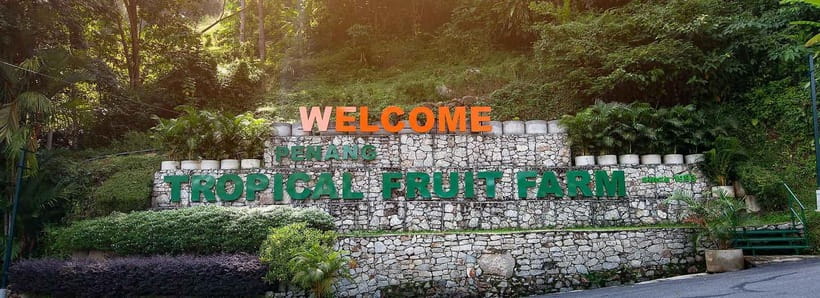
The Tropical Fruit Farm is in the north west area of Penang, in Teluk Bahang. It’s located on hilly terrain, around 800 feet above sea level, and that usually signals a “not exactly next door” destination compared to central Penang hotspots.
Plan your ride like you would for a day trip outside town. The farm isn’t described as a quick walk from a major public landmark, and one practical takeaway from people who visit is to use taxi or Grab. Give yourself buffer time so you don’t arrive rushed, since you’ll want to settle in for the guided portion.
Also note the meeting point is direct redemption at the farm. In plain terms, you should head straight there rather than expecting pickup. Once you’re there, the tour runs with a live English-speaking guide.
If you’re sensitive to outdoor weather, bring the umbrella mentioned in the info. You’ll be outdoors during your visit, and fruit farms can mean sun, humidity, and sudden rain.
The 30-minute guided farm tour, and what makes it worth your time
Your ticket includes a guided farm tour lasting about 30 minutes. That’s not a full-day walking tour, so it’s best to treat it like a focused introduction. You’ll get a map-like sense of what’s growing, what the farm is doing, and why it’s built to handle so many fruit varieties.
During the tour, expect to see the orchards and learn through guided commentary and informative displays. This is where the farm’s educational mission shows up. The guide doesn’t just point at trees. You’ll connect fruit variety to climate, cultivation, and conservation goals.
The setting helps the story make sense. Because the farm is on hilly land at elevation, it supports both tropical and sub-tropical fruit trees. That makes the farm collection feel intentional rather than random. You’re walking through a managed system designed to grow diversity.
A consideration: this is not a slow, open-ended browse time. The main guided experience is timed, so if you want extra wandering or extra tasting beyond what’s included, you should plan your expectations accordingly.
Fruit enzyme, tea testing, and wild honey tasting: the flavors you should look forward to
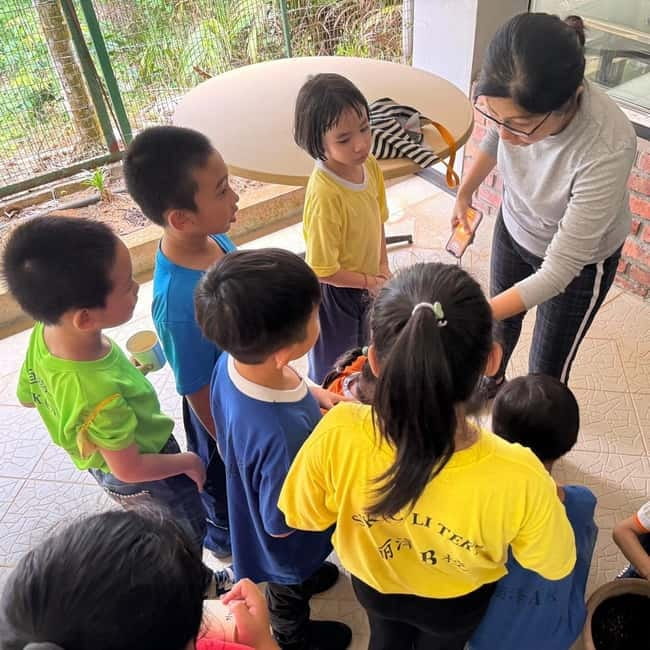
One of the biggest reasons this ticket works is the tasting sequence. Instead of only sampling fruit that you’ll forget in an hour, the experience ties flavors to processes and ingredients.
Here’s what’s included:
- An introduction to the fruit enzyme process
- Cinnamon and lemongrass tea testing
- Fruit enzyme tasting
- Wild honey tasting
That combination is unusual, in a good way. The enzyme portion suggests the farm is showing how fruit can be turned into something flavorful and functional, not just eaten fresh. Even if you’re not a food science person, the structure helps you understand what you’re tasting and why.
The tea testing is also a smart move. Penang is hot and humid most of the year, and a small tea component can make the tasting feel less like an all-at-once sugar sprint. Lemongrass and cinnamon tend to keep flavors feeling clean and aromatic, and you’ll notice how spices change your perception of fruit sweetness.
Then there’s the wild honey tasting. Honey is a great bridge ingredient. It’s not a fruit, but it still carries orchard flavors and local character. It also gives you something different from the usual “fruit tasting only” model.
If you’re picking between tickets or planning timing with other food stops, think of this as a curated tasting experience. You’ll leave with several food impressions, not just one fruit highlight.
Exploring 200-plus fruit species without getting overwhelmed
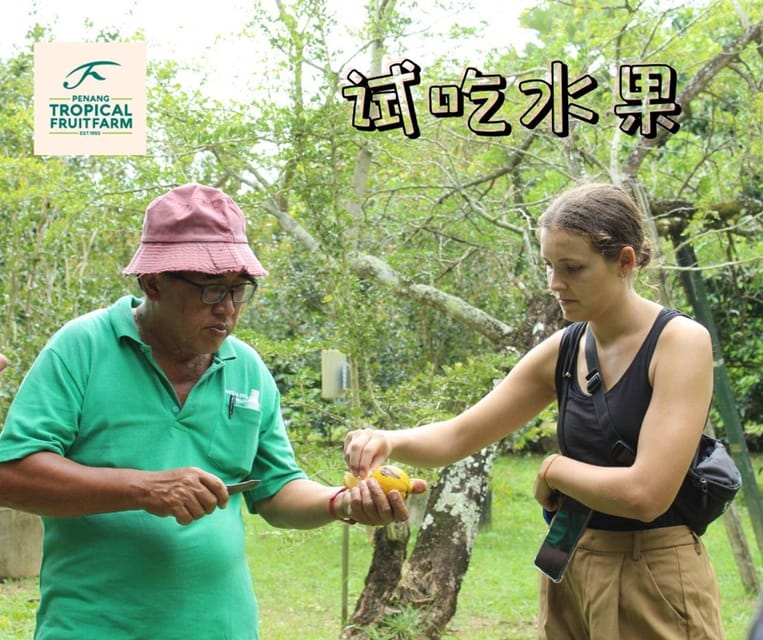
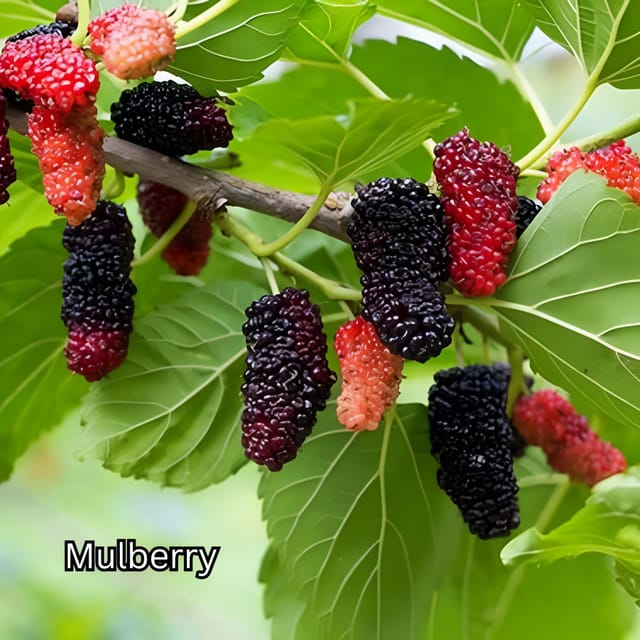
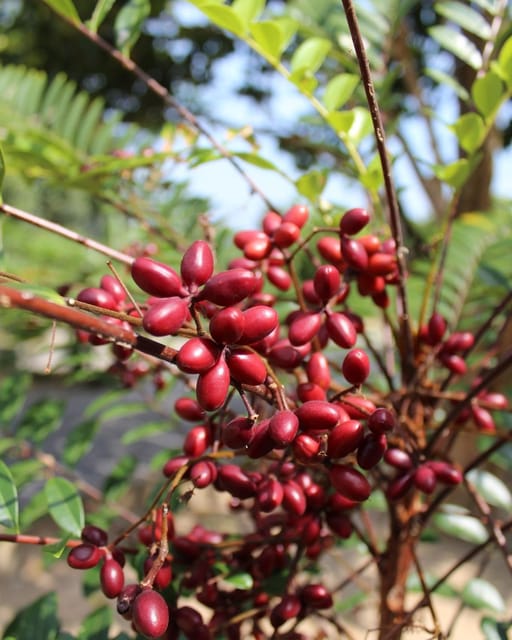
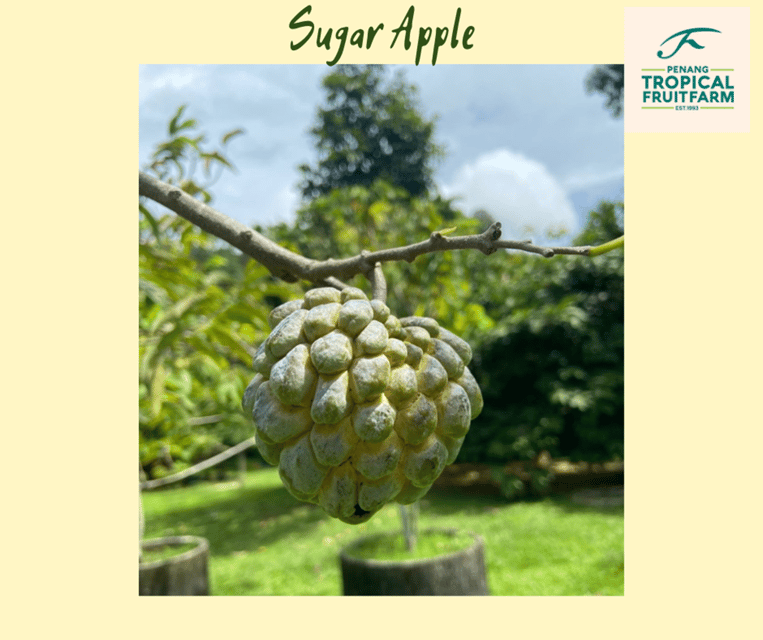
Over 200 species of tropical and sub-tropical fruits is a lot of names. The way to handle that is not to try to memorize everything. Instead, use the guide’s explanations as your “anchor points.”
While you’re walking the orchards, you’ll be surrounded by a wide range of edible fruit trees. The farm’s location helps, because elevation and terrain support varied growing conditions. Practically, that means your tasting and your visual exploration line up: you’re seeing trees that are meant for the farm’s climate, not just display plants.
Here’s what you can do to get more out of the visit:
- Pick a few fruits you already recognize and let the guide fill in the related species you haven’t tried
- Pay attention to the conservation angle, since the farm aims to conserve rare and exotic trees
- Use the tastings as the “final confirmation” of what you saw during the walk
Don’t expect every fruit to be included in the tasting itself. The farm’s collection is huge, and with only a short guided segment, the tastings are likely designed to represent the farm’s approach rather than sample every single species.
Also, the info emphasizes seasonal fruits. So if you’re visiting during a time when specific varieties are in season, your experience may feel different. That’s part of the charm, but it’s also why you should avoid going in with a fixed list of must-eat fruits.
Sustainable agriculture and why it matters for your trip
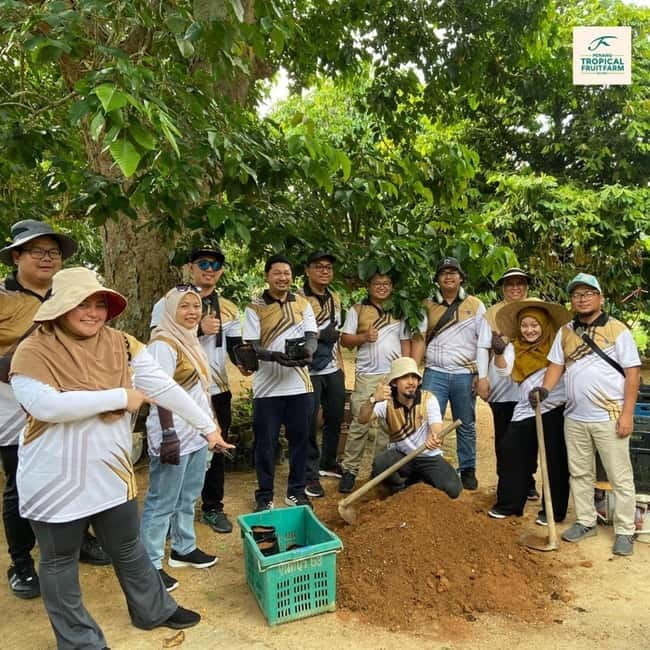
This isn’t a farm built only for souvenirs. It’s meant to conserve rare trees and educate visitors about fruit diversity. Sustainable agriculture is the through line, and it comes through in the way the farm explains its purpose.
For me, that makes a difference in the feeling of the visit. When a place is focused on conservation and education, the visit tends to be more respectful of the land. You’re not only consuming. You’re learning how growing systems can support biodiversity and still create an income source through agro-tourism.
And agro-tourism is the key phrase here. This ticket is effectively a bridge between agriculture and tourism. You see the orchard space, learn about fruit variety, and then taste products tied to the farm’s process, like the fruit enzyme tasting and wild honey tasting.
So even if you’re on vacation for beaches and street food, this gives you a useful counterpoint. It shows a side of Penang that’s quieter and more nature-focused, but still anchored in food.
Price and value: what $7 buys you, and what to consider
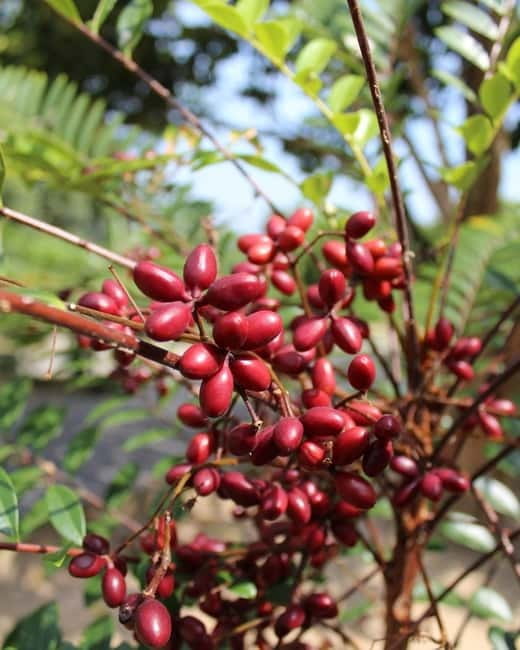
At $7 per person, this ticket is positioned as an affordable food and nature stop. The best value isn’t only the price tag. It’s the mix of guided time plus multiple tastings, including enzyme-related tasting and honey.
That said, check how you plan your day. The guided portion is about 30 minutes, and the rest of your experience is tied to the included tastings and displays. If you want a long attraction day with lots of independent activities, you might need to schedule additional stops nearby.
Optional choices can also affect what you get out of it. The included list mentions a 100% pure fruit juice glass if you select that option, and a fresh fruit box if you select that option. If you’re traveling with a bigger appetite for taking things home, these can turn the visit into a more complete “fruit haul” day.
One more practical consideration: food and drinks are not allowed. That means you should bring your appetite to the farm, and trust the tasting offerings.
Who this Penang fruit farm ticket suits best
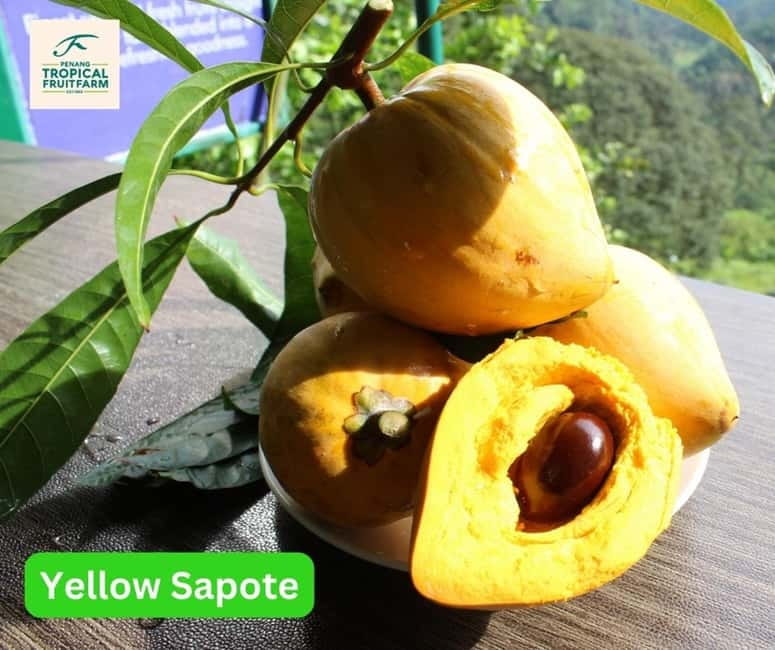
I think this fits travelers who enjoy food, nature, and a little education without it becoming a lecture. If you like tasting experiences that explain what you’re eating, you’ll probably get a lot out of this.
It’s also a good option for families with kids in the 5 to 12 age range, since the activity information lists that child age group. It can work as a break from walking city streets, especially if your family enjoys trying new fruits and flavors.
If you’re a hardcore plant collector, you may still enjoy it, but you might want to plan for the fact that the guided walk is only 30 minutes. Think of it as an introduction to the collection rather than a long botanist-style tour.
And if you only want one quick stop that isn’t too expensive, this is the kind of ticket that can slot into a day. Just plan your transport because the farm sits outside town in Teluk Bahang.
Should you book the Penang Tropical Fruit Farm Ticket?
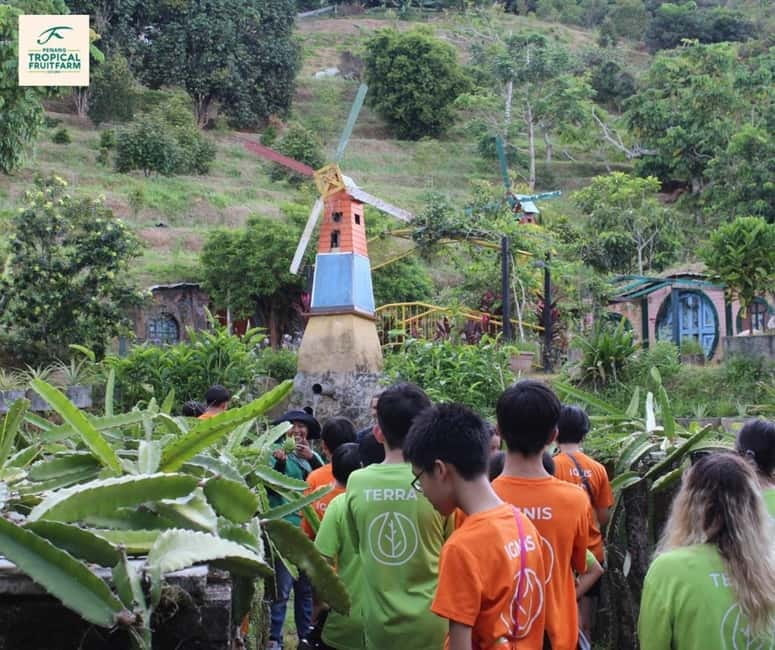
Book it if you want an affordable, food-centered nature experience with real structure: a live guide, a short orchard walk, and multiple tastings tied to how the farm works. The tastings are the star, especially the fruit enzyme process and wild honey.
Consider skipping or pairing it thoughtfully if you dislike outdoor activities or you’re not into tastings and farm education. Also, if your biggest goal is a long self-guided wander, the timed guided tour may feel short.
Overall, if you’re in Penang and you want to experience fruit culture beyond a night market, this is one of the more practical choices. It turns “tropical fruit” from a generic phrase into an organized, edible lesson you can taste.
FAQ
What is the duration of the Penang Tropical Fruit Farm Ticket?
The ticket is valid for 1 day. The guided farm tour included in the activity is about 30 minutes.
Where is the Tropical Fruit Farm located?
It is in Penang, Malaysia, in the north west area of Penang, in Teluk Bahang.
How much does the ticket cost?
The price is listed as $7 per person.
What is included in the guided experience?
Included items are a guided farm tour (30 minutes), an introduction to the fruit enzyme process, cinnamon and lemongrass tea testing, fruit enzyme tasting, and wild honey tasting. A glass of 100% pure fruit juice and a fresh fruit box are included only if you select those options.
Is there an English-speaking guide?
Yes. The tour is accompanied by a live English speaking guide.
Are other guide languages available?
Chinese, Cantonese, Arabic, Malay, and Indonesian speaking guides are available on request, subject to availability.
Do I need to bring anything?
You should bring an umbrella.
Are outside food and drinks allowed?
No. Food and drinks are not allowed.
What are the age details for children?
The activity information lists children age as 5 to 12 years.
Is the activity refundable?
The activity is non-refundable.
How do I use the ticket?
Proceed directly to Tropical Fruit Farm for redemption. You should check availability to see starting times.
Tickets We Also Bought
More Tour Reviews in Teluk Bahang
More of Penang Island
Other Teluk Bahang write-ups from our reviewers
- Penang: Tropical Fruit Farm Ticket
★ 4.5 · 23 reviews - Penang: ESCAPE Theme Park Entry Ticket
★ 4.7 · 37 reviews
More Penang & George Town Tours.
 ★ 4.9Penang Plates Food Tour with 15+ TastingsFrom $49734 reviews
 ★ 4.5Half-Day Penang Countryside Cycling TourFrom $32454 reviews
 ★ 5.0Flexible 6-Hours HighlightsFrom $80378 reviews
 ★ 4.7George Town, Penang: Malay Countryside CyclingFrom $33287 reviews
 ★ 4.9Kek Lok Si Temple and Penang Hill Guided TourFrom $78199 reviews
 ★ 5.0Good Morning Penang Food Tour with 15+ TastingsFrom $49148 reviews
 ★ 4.6Penang Island Full-Day Private TourFrom $173134 reviews
 ★ 4.5The Habitat Penang Hill Entry TicketFrom $14111 reviews
Other Malaysia lists with this tour