
REVIEW · PENANG & GEORGE TOWN TOURS
Penang Island: Street Food Walking Tour
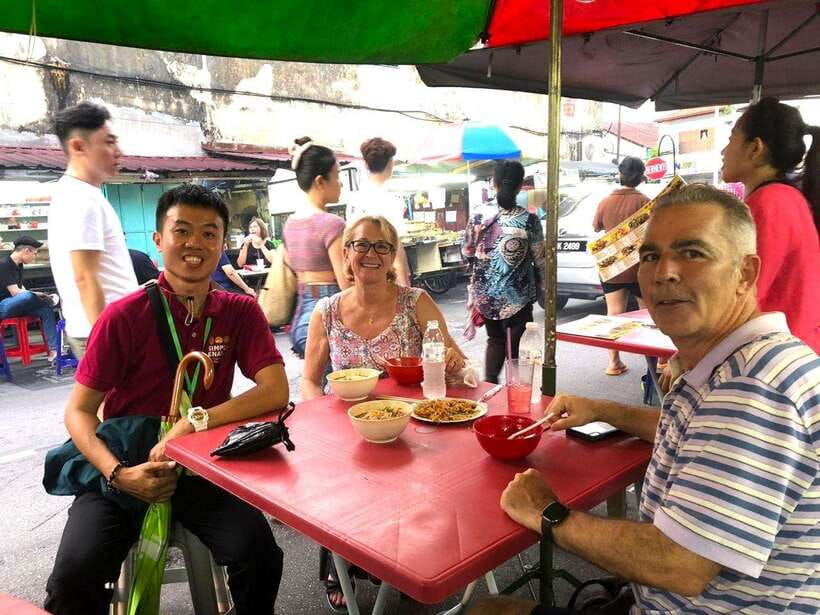
Georgetown food hits different when someone explains it as you walk. This Penang Island street food tour moves from market mornings to family kitchens, with stories you can taste, not just hear. I love how it starts at Chowrasta Market, so you get the why behind the food before you even order.
My second favorite part is the mix of flavors that feel very Penang, like nutmeg jeruk pickles and the sticky-sweet pull of durian dodol. You also watch a maker working popiah skins, with a family legacy behind every thin sheet. The only real drawback to plan for is the walking, plus you should skip it if you have a cold since the tour is not suitable for that.
In This Review
- Key Things You Should Know Before You Go
- Why This Penang Island Food Walk Feels Like the Real Thing
- Starting at Chowrasta Market in the Morning
- Kopitiam Culture and the Ngor Ka Sai Coffee Moment
- Nutmeg Jeruk Pickles: Small Bite, Big Impact
- Durian Dodol: Sticky-Sweet Without the Shock
- Handmade Popiah Skins With a 50-Year Family Legacy
- Walking Georgetown’s Heritage Zone and Tasting Asam Laksa
- Moh Teng Pheow and Peranakan Nyonya Culture at a Michelin-Listed Cafe
- Harmony Street Landmarks, Faith, and Food Culture Coexisting
- Street Art by Ernest Zacharevic and Local Iron-Rod Sculptures
- Oldest Fire Station in Town: A Pause in the Walk
- The Real Value: Licensed Guidance, Insider Stops, No Food Waste
- What to Wear and Bring for a 3.5-Hour Walking Tour
- Who This Penang Street Food Tour Fits Best
- Should You Book This Tour?
- FAQ
- Where does the tour start, and what should I look for?
- What is included in the $75 per person price?
- How long is the tour?
- How many people are in the group?
- What should I bring, and are there restrictions on bags?
- Is the tour wheelchair accessible?
- Can I cancel, and can I pay later?
Key Things You Should Know Before You Go
- Chowrasta Market first: start with the 1890s market energy that shaped Georgetown’s food culture.
- Kopitiam coffee culture: you’ll try Ngor Ka Sai, coffee mixed with Milo, and learn why locals love it.
- Family-made snacks: popiah skins made by hand with a 50-year legacy, not a factory shortcut.
- Penang asam laksa, side-by-side: you’ll taste a version that balances sweet, sour, and savory in a distinctly Penang way.
- Peranakan Nyonya kuey at Moh Teng Pheow: a Michelin-listed stop that ties the food to Baba and Nyonya roots.
- Small group size: limited to 9 participants, so you can ask questions and actually hear answers.
George Town keeps giving. More of Penang here
- Penang Plates Food Tour with 15+ Tastings★ 4.9 · 734 reviews
- George Town, Penang: Malay Countryside Cycling★ 4.7 · 287 reviews
- Penang: Kek Lok Si Temple and Penang Hill Guided Tour★ 4.9 · 199 reviews
- Good Morning Penang Food Tour with 15+ Tastings★ 5.0 · 148 reviews
Why This Penang Island Food Walk Feels Like the Real Thing
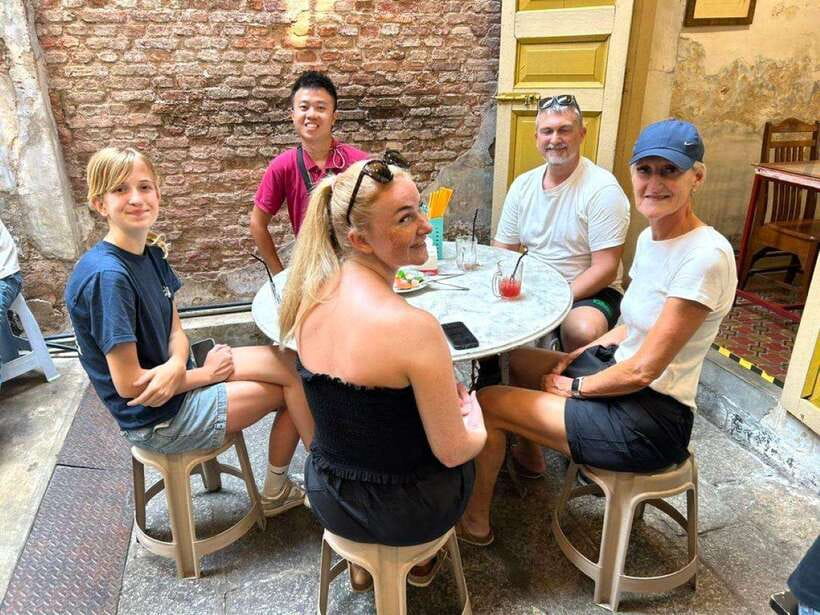
Penang street food is not just about eating fast. The best stalls act like living classrooms, where you learn how communities mix and how tastes evolve over decades. This tour is built around that idea, with a licensed English-speaking guide who connects each bite to the people and places behind it.
I like that the pacing is guided by appetite, not a timed food sprint. You get quality over quantity, and that matters when you are trying several rich items in one sitting. The small group also helps, because you spend less time funneling through crowds and more time talking to vendors.
You’ll also see Georgetown as a whole, not only a list of dishes. Between food stops, the walk takes you past street art by Ernest Zacharevic, iron-rod sculptures by local artists, and landmarks like the oldest fire station in town.
Starting at Chowrasta Market in the Morning
The tour begins at Chowrasta Market, described as the oldest market in Penang, with trade dating back to the 1890s. Arriving 15 minutes early gives you a head start, so the market doesn’t feel like a blur when you meet your guide.
This is where the cultural math starts to make sense. You’ll see morning energy shaped by Malay, Chinese, and Indian communities trading and sharing space for a long time. You’ll hear vendors chatting in Hokkien, Malay, and Tamil, and you’ll feel how that mix becomes Penang’s signature food personality.
One practical benefit: starting here means you get your bearings fast in Georgetown’s Heritage Zone. If you plan to roam the city after the tour, you’ll know where you are and what you are looking at.
Kopitiam Culture and the Ngor Ka Sai Coffee Moment
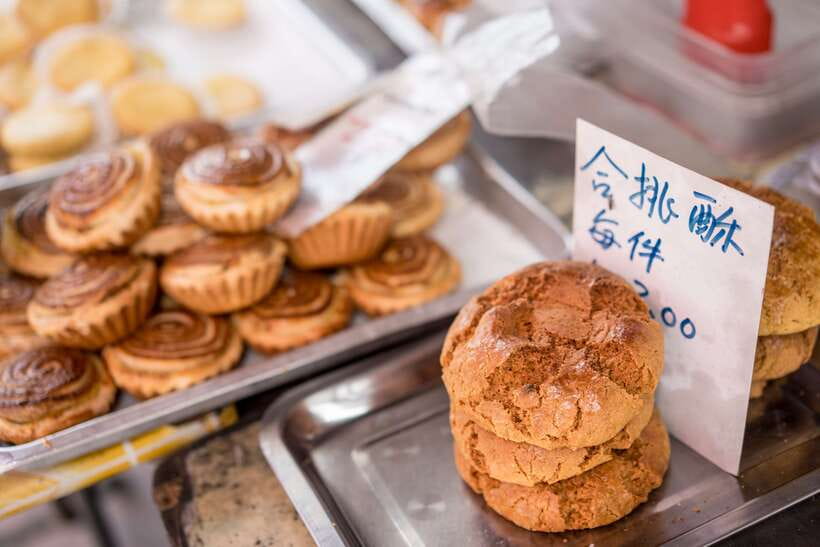
After Chowrasta Market, you tap into kopitiam culture, Penang’s coffee shop tradition. This isn’t the quiet, sit-and-scroll kind of cafe. It’s a social space, full of regulars and bold flavors, where locals come for comfort as much as caffeine.
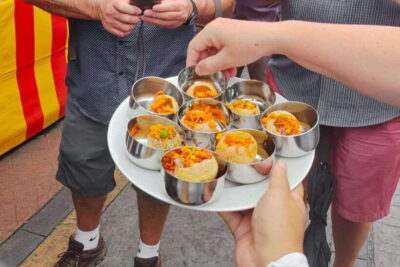
You’ll taste Ngor Ka Sai, local coffee mixed with Milo. That combination sounds unusual if you only know coffee one way, but the point is balance and habit. Penang does not treat drinks like an afterthought, and this stop shows you how sweetness and roasted flavor can work together.
If you are a coffee person, you’ll likely love this part. If you prefer tea or want a lighter option, don’t panic. The tour includes selected drinks, and the staff plan what you share, so you are not stuck buying extra.
Nutmeg Jeruk Pickles: Small Bite, Big Impact
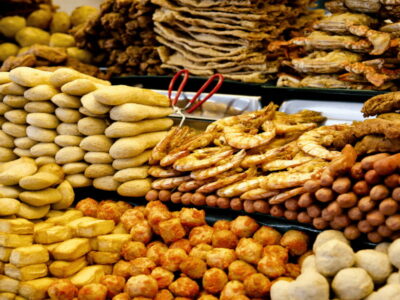
Then come the Penang pickles: nutmeg jeruk. Jeruk is pickled fruit or vegetables dressed in spices, and the nutmeg makes it feel like a flavor reset for your appetite.
This is more than a snack handed to you during a break. It’s the kind of bite that tells you why Penang food builds layers: sour, spicy, and aromatic notes show up again and again. You’ll feel it in your next tasting, especially with items that need contrast, like sour broths or rich noodles.
Go in ready to taste actively. Pause for a second before the next dish and notice how the pickle changes what you think you want. That’s the tour’s trick, and it works.
Hungry yet? More plates on this list
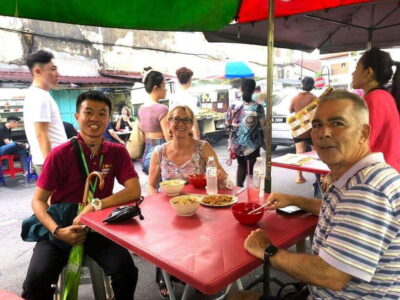
Durian Dodol: Sticky-Sweet Without the Shock
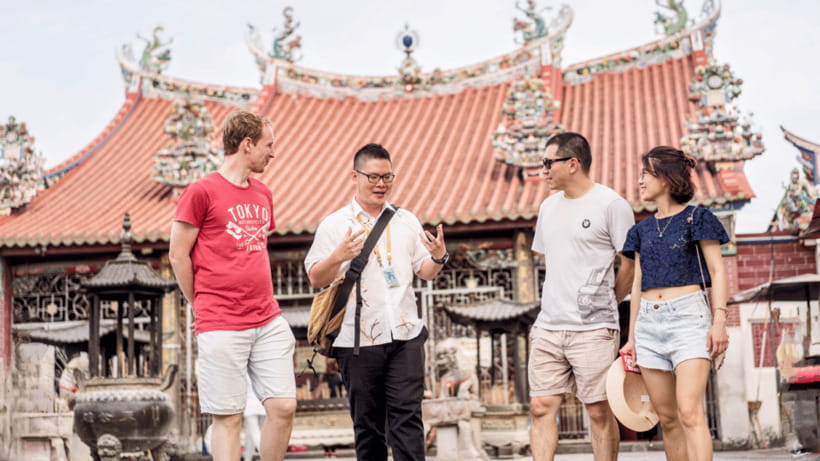
Next up is durian dodol, a traditional confection known for its sticky sweetness. Durian can be polarizing, but dodol is a way to experience the king of fruits in a format that’s more about texture and slow sweetness than raw intensity.
The tour frames it as a Malay heritage experience in every bite. That wording matters because it reminds you dodol is not just trendy fruit culture. It’s long-running street and family food, made for eating, trading, and sharing.
Practical tip: durian dodol is sticky. If you bring a water bottle, take a small sip between bites rather than after the full portion. You’ll thank yourself when you are walking to the next stall.
Handmade Popiah Skins With a 50-Year Family Legacy
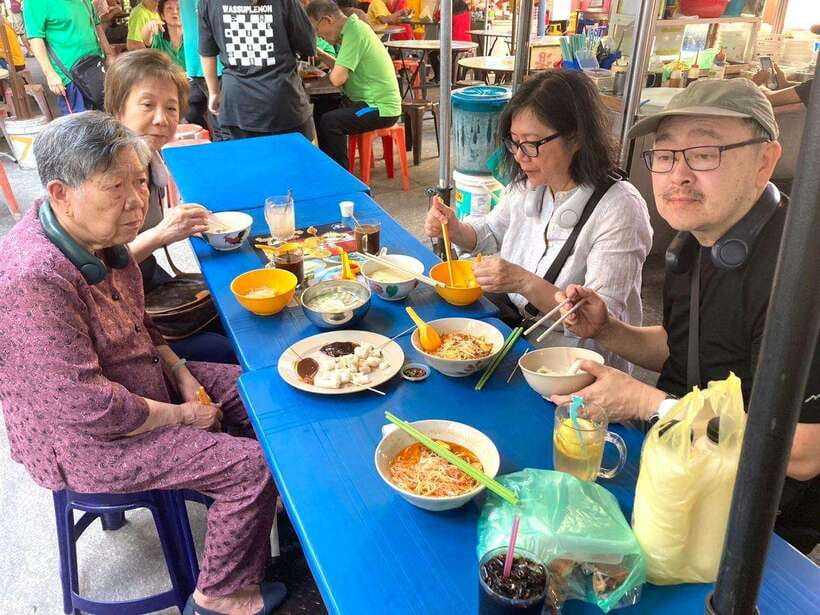
One of the most memorable parts is watching a master make popiah skins by hand. The tour highlights a family legacy of 50 years, which changes how you see the final product.
Popiah is one of those foods that can feel simple until you watch the process. This stop turns it into something you can respect. You’ll learn how the craft matters, because the thin skin texture affects everything, from how fillings hold to how the bite feels.
If you like hands-on food moments, this will be a highlight. It also gives you a mental shortcut for later. When you eat popiah in Georgetown afterward, you’ll remember the labor behind the snack and pick up on differences you might otherwise miss.
Walking Georgetown’s Heritage Zone and Tasting Asam Laksa
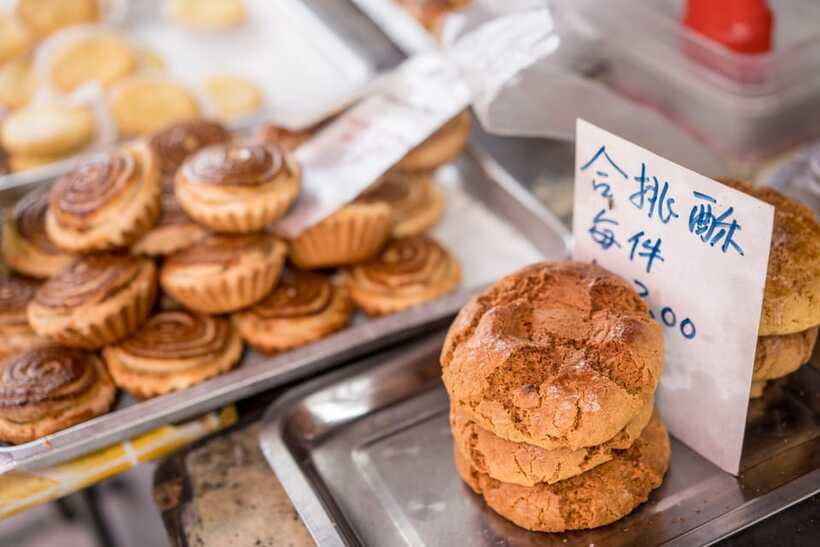
From there, you move through Georgetown’s Heritage Zone. You’ll taste legendary asam laksa, described as balancing sweet, sour, and savory. That mix is the point. When it’s done right, it feels like the broth is steering your palate instead of just coating it.
The tour also notes that this Penang version is completely different from the one you might find in Kuala Lumpur. That’s useful. It tells you to stop treating laksa as one generic dish. Penang adapted it into its own identity, and the flavor proof is in the bowl.
Keep an eye on how the guide explains it. When you hear the reasons behind the ingredients and balance, you taste more, with less guesswork. That’s how a street food tour becomes real food education.
Moh Teng Pheow and Peranakan Nyonya Culture at a Michelin-Listed Cafe
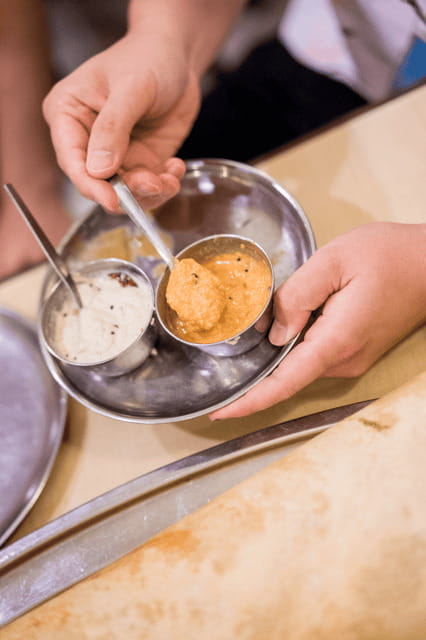
A major cultural anchor is Moh Teng Pheow Nyonya Koay, a Michelin-listed cafe. This stop takes you from street snacks into Peranakan Nyonya food culture, where Chinese-Malay fusion shaped Baba and Nyonya communities.
You’ll understand kuey as a category, including cakes, dumplings, puddings, and pastries. Then you’ll taste recipes described as unchanged since 1933. That detail matters for value. You’re not just trying something sweet and moving on, you’re trying food with continuity.
If you’re the type who wants context with your cravings, you’ll appreciate this. Peranakan food can look familiar if you only focus on ingredients, but the structure and flavor logic is distinct. This stop helps you notice those differences.
Harmony Street Landmarks, Faith, and Food Culture Coexisting
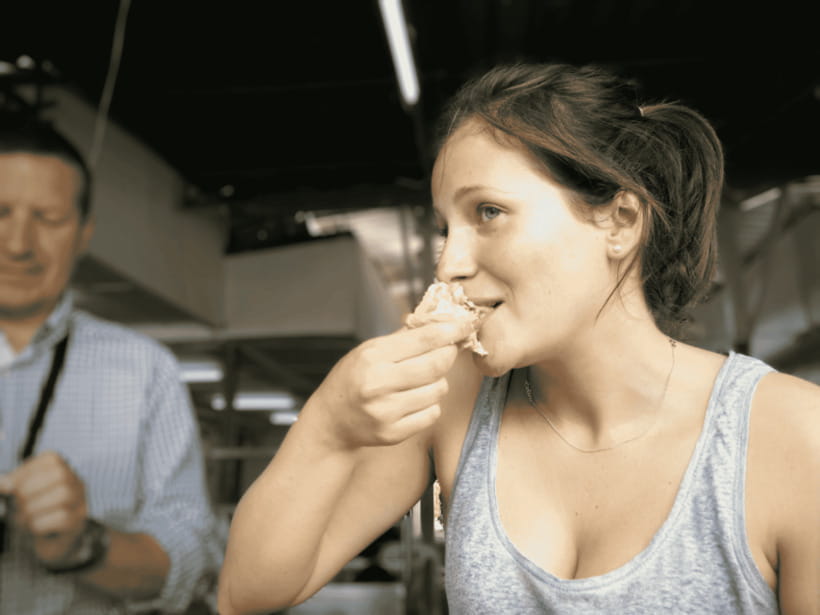
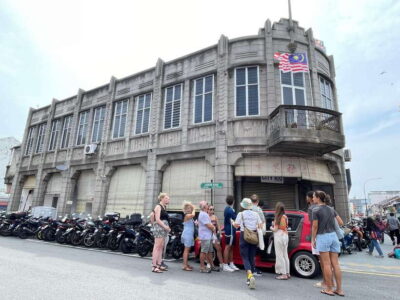
As you walk, you’ll pass temples, mosques, and churches on Harmony Street. The tour frames this as evidence of peaceful coexistence that made this food culture possible.
This isn’t a lecture stop. It’s a way to connect the flavors you are eating to a larger social story. Food doesn’t happen in a vacuum, and in Penang you can literally see how communities share space.
If you enjoy photo stops, this part also gives you scenes that explain Georgetown’s look. And since you’re already on foot for food, you might as well take the slow moments when they come.
Street Art by Ernest Zacharevic and Local Iron-Rod Sculptures
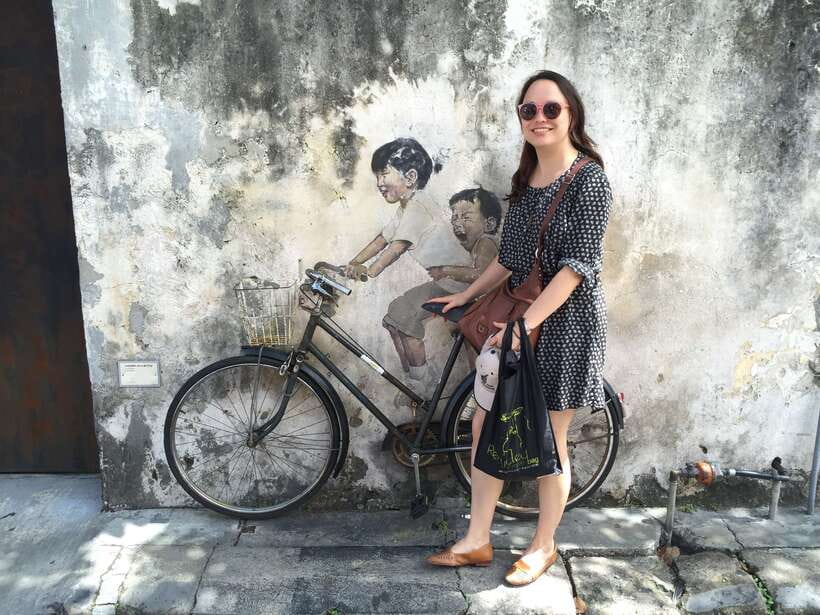
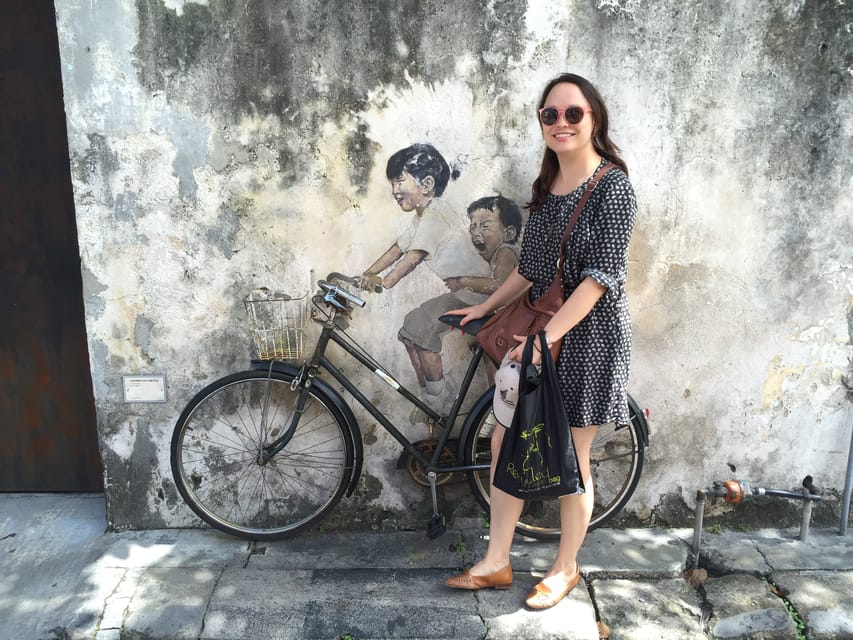
Between tastings, the route includes famous street art by Ernest Zacharevic and iron-rod sculptures by local artists around Georgetown. This makes the walking feel less like waiting between food stops.
It also helps you understand why people fall in love with Georgetown’s vibe. The art is part of how Penang celebrates identity in public. When you pair that with the market and family food stories, you get a fuller picture of what the city values.
Practical note: street art areas can be photo-friendly but not always shade-friendly. Bring your umbrella, and wear breathable clothing.
Oldest Fire Station in Town: A Pause in the Walk
You’ll pass by the oldest fire station in town as well. It’s not a food stop, but it adds shape to the route and makes the walk feel like it touches the city beyond the stalls.
I find it helpful on a longer tour, because the body needs mini pauses. Small sights like this break up the mental load of focusing on flavors constantly.
If you are tired, use these moments to hydrate. The tour includes water guidance, so plan for small sips as you go.
The Real Value: Licensed Guidance, Insider Stops, No Food Waste
The listed price is $75 per person for 210 minutes. That’s a fair number only if the tour does what it promises, and in this case it does. You get a local guide who knows history and vendors, food and drinks at selected family-run stalls, and cultural context that makes the meals more meaningful.
What makes the value feel stronger is quality over quantity. The tour gauges your appetite so you do not end up with a tray of food you do not want. That matters because Penang street food can be rich, sour, and spicy, and too much at once turns a fun afternoon into a sugar and salt grind.
Another value signal is the small group size, limited to 9. In practice, that means you can ask questions without feeling rushed. Your guide can also manage pace and portions better.
Finally, the tour highlights insider spots only, places locals love rather than tourist versions. You still need to keep your expectations grounded. It is still a street food walk, so flavors may be more intense than what you get at a neat, polished restaurant. But that intensity is the point.
What to Wear and Bring for a 3.5-Hour Walking Tour
You’ll be on your feet for about 210 minutes. The tour recommends comfortable shoes, an umbrella, water, and breathable clothing.
That umbrella is not overkill. Georgetown mornings and afternoons can shift, and you will not want to scramble for shade or rain cover mid-stop.
Also, do not bring luggage or large bags. Keeping your space clear makes it easier to move through stalls and markets where space can be tight.
Who This Penang Street Food Tour Fits Best
This tour is a strong fit if you want street food with context, not only a tasting list. It works well for first-time visitors to Penang, because you start at the oldest market and end with a sense of how the city’s communities shaped its food.
It’s also great if you love family-run craftsmanship. Watching popiah skins made by hand is the kind of moment you remember longer than another plate of food.
That said, the tour is not suitable for people with a cold. It’s also marked as not suitable for people with mobility impairments, even though it says wheelchair accessible. If you are deciding based on accessibility, contact the provider directly so you can match your needs to the exact route and pace.
Should You Book This Tour?
Yes, if you want a well-paced Penang food story told in the right order. Starting at Chowrasta Market gives you the social context, then kopitiam coffee, nutmeg jeruk, durian dodol, popiah craftsmanship, asam laksa, and Peranakan Nyonya kuey at Moh Teng Pheow build toward a clear picture of what makes Penang special.
Book it especially if you like small group tours where you can ask questions and not feel herded. Also book it if you want value from guide knowledge and included tastings, not from a long list of optional add-ons.
Skip it if you cannot handle steady walking or you are dealing with illness. For everyone else, this is one of the most practical ways to eat like a Penang person for a few hours, without guessing which stall is worth your time.
FAQ
Where does the tour start, and what should I look for?
The meeting point is at the tour start location in Penang, and you should arrive 15 minutes early. The guide will be wearing either a white Polo t-shirt with Simply Enak or a white batik shirt.
What is included in the $75 per person price?
The price includes a local guide, food and drinks at selected family-run stalls, and cultural context that helps explain the dishes.
How long is the tour?
The tour lasts 210 minutes.
How many people are in the group?
This is a small group limited to 9 participants.
What should I bring, and are there restrictions on bags?
Bring comfortable shoes, an umbrella, water, and breathable clothing. Luggage or large bags are not allowed.
Is the tour wheelchair accessible?
The tour is listed as wheelchair accessible, but it is also stated as not suitable for people with mobility impairments. If mobility is a concern, check with the provider so you understand how the route works in practice.
Can I cancel, and can I pay later?
You can cancel up to 24 hours in advance for a full refund. You can also reserve now and pay later, so you can book your spot without paying immediately.
More Tour Reviews in George Town Malaysia
Malaysia by the Plate
More of Penang Island
Other George Town Malaysia write-ups from our reviewers
- Penang Island: Street Food Walking Tour
★ 5.0 · 3 reviews - Penang: Private Highlights Tour with Temples, Hill & Gardens
★ 5.0 · 5 reviews - George Town: Heritage Walking Tour with Street Food Tasting
★ 4.7 · 6 reviews - Penang: Wonderfood Museum Entry Ticket
★ 4.8 · 7 reviews - George Town: Authentic Food Tour with 12+ Tastings
★ 4.7 · 7 reviews
More Penang & George Town Tours.
 ★ 4.9Penang Plates Food Tour with 15+ TastingsFrom $49734 reviews
 ★ 4.5Half-Day Penang Countryside Cycling TourFrom $32454 reviews
 ★ 5.0Flexible 6-Hours HighlightsFrom $80378 reviews
 ★ 4.7George Town, Penang: Malay Countryside CyclingFrom $33287 reviews
 ★ 4.9Kek Lok Si Temple and Penang Hill Guided TourFrom $78199 reviews
 ★ 5.0Good Morning Penang Food Tour with 15+ TastingsFrom $49148 reviews
 ★ 4.6Penang Island Full-Day Private TourFrom $173134 reviews
 ★ 4.5The Habitat Penang Hill Entry TicketFrom $14111 reviews
Other Malaysia lists with this tour