
REVIEW · KUALA LUMPUR TOURS & DAY TRIPS
Cycling Through the Heart of Kuala Lumpur with Hotel Pickup
First-time KL feels like a lot, fast. This small-group half-day bike tour helps you get your bearings while covering major sights without the stop-and-start rhythm of walking. I like that you get hotel pickup via a shared transfer, plus bottled water right away, so you are not scrambling for logistics. One note before you sign up: it is an active ride, and you need real comfort cycling in traffic, even if the pace stays calm.
Where this tour really shines is how the guide blends history, religion, and everyday city life along the route, while the group stays together with clear safety habits. You also move between old and new Kuala Lumpur in a way a bus or monorail never quite matches, from market lanes to temple steps to skyline views. The main drawback to consider is weather and comfort, because the tour keeps going in rain showers and Kuala Lumpur heat can still feel intense even with a breeze and breaks.
In This Review
- Key highlights worth knowing before you go
- Why a Kuala Lumpur bike tour beats buses and walking
- Price and what you truly get for $166.32
- Bike experience rules, helmet reality, and clothing that actually works
- Safety on KL streets: how the tour keeps you together
- Your ride plan, what each stop feels like, and what to watch for
- Merdeka Square, KL’s landmark front door
- Central Market (Pasar Seni), where history shows up in daily shopping
- Petaling Street area, shopping energy and temple-adjacent culture
- Sin Sze Si Ya Temple, an old Taoist landmark near the street bustle
- Sri Mahamariamman Temple, colorful details with global tile influence
- Kampong Baru, stilt houses, palms, and a rural-feeling pause in the city
- Petronas Twin Towers, finishing with KL’s modern icon
- Timing, heat, and rain: how to plan your day
- Who this tour is best for, and who should sit this one out
- Practical value checklist before you book
- Should you book this Kuala Lumpur bike tour with hotel pickup?
- FAQ
- Do I need cycle experience for this tour?
- Is a helmet required?
- How long is the bike tour?
- What is included in the price?
- Does the tour continue if it rains?
- What language are the guides?
- What should I wear for temple visits?
- How big is the group?
Key highlights worth knowing before you go
- Merdeka Square and Central Market in one smooth route, so you get landmarks plus the daily pulse of KL.
- Temple stops with practical etiquette tips, like covering knees and shoulders and wearing shoes with control.
- Safety gear focus, you get a high-vis safety vest, and helmets are strongly recommended even if not required.
- A guide-led pace that works for first-timers, frequent stops and a quiet cycling rhythm.
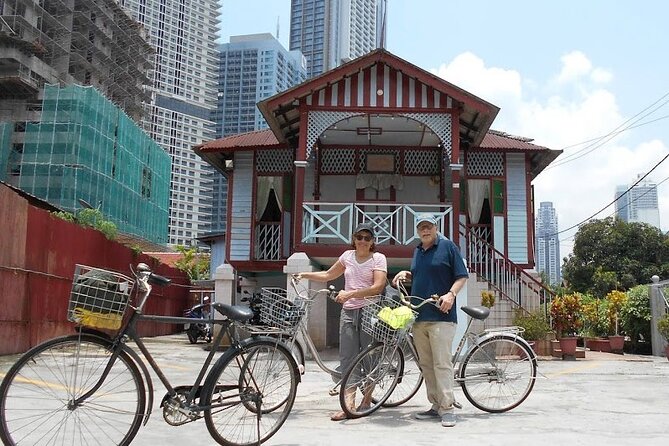
- Old Kampong Baru vibes, with stilt houses and a more rural-feeling feel than central KL.
- Petronas Twin Towers viewpoints built into the ride, so modern KL lands after the older neighborhoods.
More of KL, from half day loops to full days out of the city
- Kuala Lumpur: Batu Caves Half-Day Tour with Pick-Up Option★ 4.5 · 4,288 reviews
- Private Half-Day Batu Caves and Cutural Tour in Kuala Lumpur★ 5.0 · 3,107 reviews
- Kuala Lumpur: Sambal Street Food Tour with 15+ Tastings★ 4.9 · 1,657 reviews
- From Kuala Lumpur: Cameron Highlands Day Tour with Lunch★ 4.3 · 1,178 reviews
Why a Kuala Lumpur bike tour beats buses and walking
Kuala Lumpur can overwhelm you if you only do it on foot. Distances feel short on a map, but streets and crossings add up fast. Cycling fixes that. You move quickly enough to see several neighborhoods in a half day, yet slowly enough to actually notice details.
I also like the perspective you get on a bike. Walking tends to put you at eye level with storefronts and sidewalks, but cycling adds a bit of speed and height that makes it easier to read the city. You see how areas connect, where traffic flows, and how landmarks sit in real urban space, not just in postcard framing.
This tour is built for that mix. You start with famous symbols, then shift into places that feel more lived-in, like Central Market and the Chinatown shopping streets around Petaling Street. You finish with the visual punch of Kuala Lumpur’s skyline at the Petronas Twin Towers. It is a smart first-time route if you want variety without committing to a full day.
Price and what you truly get for $166.32
At $166.32 per person, the price is not the cheapest thing in Kuala Lumpur. But it is also not paying for just a route and a photo stop. You are paying for a guide, a bike, safety support, and an organized way to handle traffic.
Here is what is included that matters in real life:
- Bicycle provided, so you do not have to find a rental or worry about sizing.
- Bottled water, which is a big deal in KL heat.
- Safety vest, plus a guide who manages the ride as a group.
- One-way shared transfer and pickup support, so you do not waste your morning finding the starting point.
- Local English-speaking guide and a group size capped at 15, which keeps it personal.
And there is one more value angle. Several people mention that guides made the ride feel safe and informative, and that the stops led to food moments like fruit tastings or even brunch and a local meal during the day. You are not only buying sightseeing, you are buying interpretation of what you are seeing.
One practical tip: compare prices before you lock it in. A rider noted they found a lower cost when booking directly with the bike operator rather than through a reseller. Even a difference of a few dozen euros can matter for a one-time experience.
Bike experience rules, helmet reality, and clothing that actually works
This is not a couch-and-cruise tour. You must have cycling experience and be comfortable making starts and stops, plus riding in traffic in your own safe way. If you have only ridden on quiet paths, this is the wrong setup. If you feel confident on a city street, you will likely be fine, especially because the ride stays at a quiet pace with frequent pauses.
Helmets are a key decision. The tour says helmets are not obligatory, but it strongly recommends them. I agree with that stance. Even in an organized city cycling situation, sudden movements happen. A helmet turns a bad surprise into a manageable one.
Clothing is the part people forget until they are already at the curb. You visit temples, so cover knees and shoulders is appreciated. Wear light, comfortable clothes for heat, plus a hat or cap. Sunscreen is a must. For footwear, the guidance is clear: shoes or fixed sandals give you better control than slippers. You will be grateful for that when you are adjusting balance at slow speeds.
Safety on KL streets: how the tour keeps you together
Kuala Lumpur has lots of vehicles, and you need to be honest with yourself about that before you go. The good news is the tour is designed around group cycling management. You ride with an experienced local English-speaking guide who handles the pacing and watches traffic while keeping the group together.
From the feedback, one theme comes up again and again: guides stay assertive and organized. Names like Andrew, Tony, Felix, Joseph, Hing, Hang, and Alif appear in people’s notes about how safely they were steered through busy street sections. The guides make sure nobody is missing, and they track riders so you are not left wondering where to go next.
That is the big safety advantage of a guided ride: you are not the only one negotiating crossings. You are part of a moving system, with a leader who knows how to position the group. Add the high-vis vest, and you improve visibility for everyone on the road.
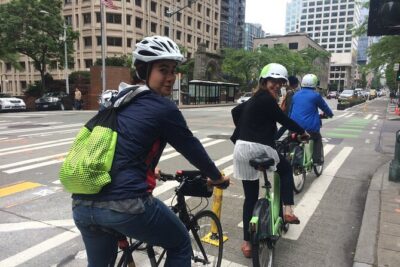
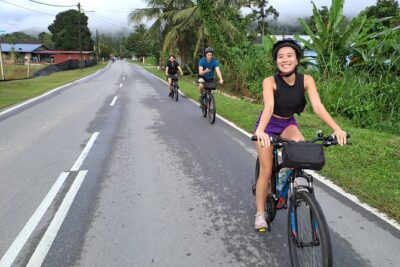
Two wheels, other routes we rode
Your ride plan, what each stop feels like, and what to watch for
Merdeka Square, KL’s landmark front door
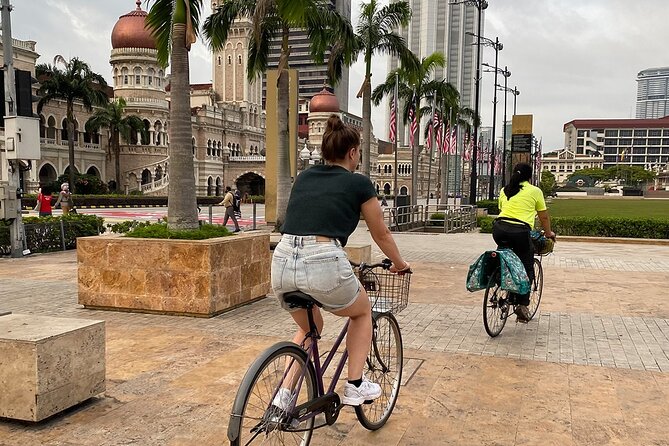
Merdeka Square, also known as Dataran Merdeka, is KL’s best known landmark area. It sits in front of the Sultan Abdul Samad Building, the former State Secretariat. This stop is useful because it gives you a visual anchor early on. After you see it, you start to understand where major KL institutions sit and how the city organizes itself around big civic spaces.
Photo tip: arrive ready with your camera phone charged. This is one of those wide-space areas where the light can be dramatic, and you will want crisp skyline angles later too.
Possible drawback: you may get sun exposure here. Even with bike movement and breaks, you will still need your hat and sunscreen.
Central Market (Pasar Seni), where history shows up in daily shopping
Central Market is housed in Pasar Seni, and that building dates back to 1888. This stop is about more than buying souvenirs. It is about seeing how KL crafts and commerce are woven into an older urban structure.
The value is in the in-between details. You get a feel for the market rhythms, and you also understand why this area has lasted. It is the kind of place where you can stop, look around, and connect what the guide says to what you actually see.
What to watch for: market areas can be crowded and full of sudden pedestrian movement. You do not need to rush. Just keep close to your guide and follow hand signals.
Petaling Street area, shopping energy and temple-adjacent culture
Petaling Street is famous as a shopper’s haven. The ride gives you access to this energy without you needing to fight for parking or navigate every side street on your own.
This is also where the tour blends the fun and the cultural. The route moves you from commerce into the quieter texture of nearby religious sites.
Practical consideration: this is a place where you will likely want to linger if you like street shopping. But the tour schedule is designed for balance, so you get the sights without turning the day into a long detour.
Sin Sze Si Ya Temple, an old Taoist landmark near the street bustle
Sin Sze Si Ya Temple was built in 1864 by Kapitan Yap Ah Loy, and it is hailed as the oldest Taoist temple in Kuala Lumpur. It is also described as being just a three-minute walk from Petaling Street, which helps you grasp how close modern city life sits to older spiritual sites.
This stop is valuable because it gives you a contrast. You step out of shopping noise and into a place that feels purpose-built for worship and cultural continuity. The guide’s context helps here, especially if you are trying to understand why these sites are so central to Malaysian community life.
What to watch for: temple etiquette matters. Dress for coverage, speak quietly, and follow the guide’s cues for where to stand or how long to pause.
Sri Mahamariamman Temple, colorful details with global tile influence
South of Jalan Hang Lekir, tucked on Jalan Tun HS Lee, Sri Mahamariamman Temple is known for extravagantly decorated design. The description highlights Spanish and Italian tiles, precious stones, and gold in its appearance.
This is one of those stops where details catch you off guard. Even if you are not a “temple person,” the styling and craftsmanship make it memorable. You will likely notice the contrast between the temple’s detailed surfaces and the more functional street structures around it.
Possible drawback: if you are sensitive to crowds, just keep expectations flexible. The guide can help you manage time and positioning, but temple areas can be busy when you arrive.
Kampong Baru, stilt houses, palms, and a rural-feeling pause in the city
After the dense city sites, Kampong Baru changes the mood. You get a view of old-world Malay kampong life, with traditional wooden stilt houses and a softer, rural-feeling scene. Coconut palms and banana trees frame the lanes, and you may see chickens and goats roaming nearby. There are also stalls selling street food, based on what the tour describes.
This stop gives you perspective. Kuala Lumpur is often sold as futuristic, especially with the Petronas towers. Kampong Baru reminds you the city still carries older ways of living side by side with skyscrapers.
What to watch for: street food areas can be a little unpredictable in scent and crowd density. If you are biking right after, take time to decide what, if anything, you want before you get back on the bike.
Petronas Twin Towers, finishing with KL’s modern icon
The Petronas Twin Towers were once the tallest buildings in the world, and today they are the world’s tallest twin structures. The tower design is credited to Cesar Pelli & Associates, and the buildings are described as 88 storeys. The towers are joined at upper levels, and that connection is part of their identity.
This ending makes sense. When you finish at KLCC style skyline territory, you get the big visual payoff after the smaller, more human-scale stops like markets and temples. It is a full-spectrum arc: civic square, commerce, worship, community, then skyline.
Photo tip: you will probably want to spend more time looking than you think. Plan for that mental shift, because your brain has been in street mode for hours.
Timing, heat, and rain: how to plan your day
The tour duration is listed at 3 to 4 hours. That range matters because Kuala Lumpur traffic and waiting time can change how fast the day moves. The tour guidance also emphasizes rest periods, and the pace is described as quiet, with a light breeze from biking.
Heat question comes up for a reason. The tour states that biking provides airflow cooling you off, and that breaks are built in. That matches how a well-run bike tour should feel. You should still treat KL like KL: hydrate, wear sunscreen, and use your hat.
Rain is another real variable. The tour says the bike tours always do, even with rain showers. In other words, you should assume you might get wet. Bring the mindset that wet is part of the deal, and dress accordingly. Even when it rains lightly, you still see the city and you still keep moving, just with a different surface feel on the road.
Who this tour is best for, and who should sit this one out
This is a strong fit for:
- First-timers who want KL highlights in a half day without racing around by yourself.
- People who can handle cycling in traffic and can manage starts and stops.
- Visitors who like a guided narrative that connects landmarks to culture, religion, and everyday life.
- Families and groups, since the group cap is 15 and feedback highlights that safety management helped everyone stay comfortable.
This is not the best fit if:
- You are not confident cycling in city traffic. The tour explicitly requires cycling experience.
- You hate getting wet. The tour continues in rain showers.
- You want long indoor museum time. This is a ride-and-stop style experience, not a deep dive into one building.
Practical value checklist before you book
Before you commit, I recommend you check four things:
- Can you cycle confidently in traffic for long enough to stay with the group?
- Are you good with a half-day schedule and multiple stops without long sit-down breaks?
- Can you dress appropriately for temples (knees and shoulders covered, good footwear)?
- Are you comfortable riding when it is hot or lightly rainy?
If you answer yes, you are in the right zone for this kind of KL experience.
Should you book this Kuala Lumpur bike tour with hotel pickup?
If your goal is to see major Kuala Lumpur sights and feel oriented fast, I think this is a smart choice. The combination of guided interpretation, an included bike, a local English-speaking guide, bottled water, and a safety-first approach makes it feel like more than a casual street ride. The route also gives you a nice contrast, from Merdeka Square and market culture to temple details, then out to Kampong Baru and the Petronas Twin Towers.
Book it if you are comfortable cycling in traffic and you want a fun, active way to tour KL highlights over 3 to 4 hours. Skip it if cycling traffic feels stressful for you or if the idea of rain keeping the tour going would ruin your day.
FAQ
Do I need cycle experience for this tour?
Yes. Cycling experience is required, and you should be able to cycle in traffic safely, with basic balance and easy starts and stops.
Is a helmet required?
No. A helmet is not obligatory, but the tour strongly recommends wearing one.
How long is the bike tour?
It runs for about 3 to 4 hours.
What is included in the price?
You get one-way shared transfer, bottled water, a bicycle, an experienced local English-speaking guide, and a safety vest.
Does the tour continue if it rains?
Yes. The tour always does, even with rain showers, so you may get wet.
What language are the guides?
The tour is conducted only in English.
What should I wear for temple visits?
Cover knees and shoulders is appreciated. Wear light, comfortable clothing, bring a hat or cap for the sun, and use sunscreen. Shoes or fixed sandals are recommended.
How big is the group?
The tour has a maximum of 15 travelers.
Other Routes We Rode
More Tour Reviews in Kuala Lumpur
KL, Three More Ways
Other Kuala Lumpur write-ups from our reviewers
- Sky Mirror Experience at Kuala Selangor from Kuala Lumpur
★ 4.5 · 3 reviews - Putrajaya Tour From Kuala Lumpur
★ 4.0 · 3 reviews - Private Batu Caves & Petronas Twin Tower Tickets With Lunch *26*
★ 5.0 · 3 reviews - Private Night Tour: Petronas Twin Tower And Shopping
★ 5.0 · 3 reviews - Marina Jetty Pangkor Laut or Lumut Jetty Transfer from Kuala Lumpur
★ 5.0 · 3 reviews
More Kuala Lumpur Tours & Day Trips.
 ★ 4.5Batu Caves Half-Day Tour with Pick-Up OptionFrom $134,288 reviews
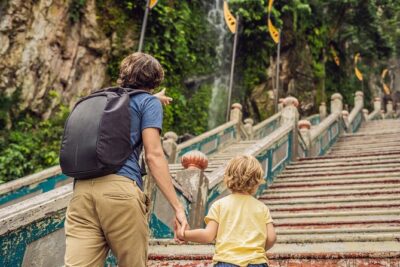 ★ 5.0Private Half-Day Batu Caves and Cutural Tour in Kuala LumpurFrom $353,107 reviews
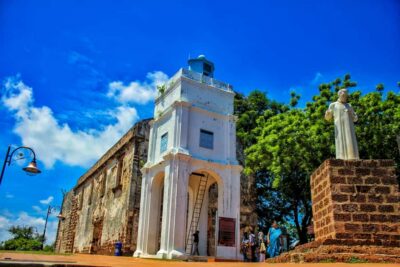 ★ 4.4Historical Melaka Day Tour with LunchFrom $422,297 reviews
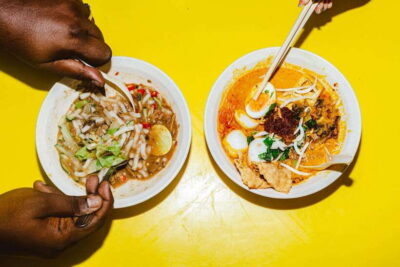 ★ 4.9Sambal Street Food Tour with 15+ TastingsFrom $531,657 reviews
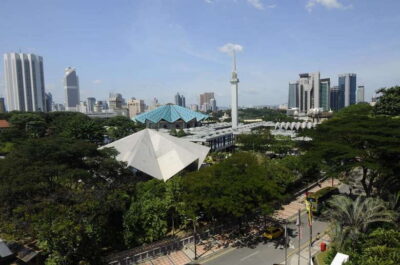 ★ 4.7Batu Caves Cultural Temple TourFrom $341,453 reviews
 ★ 4.6Petronas Twin Towers Entry E-TicketFrom $331,229 reviews
 ★ 4.3Cameron Highlands Day Tour with LunchFrom $951,178 reviews
 ★ 4.6Genting Highlands & Batu Caves Day TripFrom $371,045 reviews
Other Malaysia lists with this tour