

REVIEW · BATU CAVES TEMPLE TOURS
Batu Caves & Malaysian Handicraft Tour: Pewter & Batik Experience
Batu Caves without the hassle is the win. This 3.5-hour KL tour strings together Batu Caves with two hands-on style handicraft stops, all with easy transport and a small group vibe.
I really like the small group cap of 15, because it feels calmer when you are herding your own water bottle and sunscreen. I also love that the plan includes Royal Selangor and batik, so you see more than just one big photo spot.
One drawback to plan around: the flow is typically pewter first, then batik, then Batu Caves. If you want Batu early to beat heat and crowds, you should ask your guide to prioritize timing.
In This Review
- Key points at a glance
- How a 3.5-hour plan hits Batu Caves, pewter, and batik
- Royal Selangor Visitor Centre, watching pewter get made
- Jadi Batek Gallery batik demo, plus how to shop smart
- Batu Caves and the 272 steps to Lord Murugah
- Guides, timing, and the small-group advantage
- Value for $29.16, and what to budget for
- What to bring, how to dress, and when to go
- Should you book this Batu Caves and handicraft tour?
- FAQ
- How long is the Batu Caves and handicraft tour?
- Is hotel pickup included?
- What if my hotel is outside the pickup area?
- How large is the group?
- What stops are included during the tour?
- Are admission tickets included for the attractions?
- What is the dress code?
- When is the tour closed?
- Can I get a full refund if I cancel?
Key points at a glance
- Small group, max 15, so you get more of your guide’s attention than on big buses
- Royal Selangor Visitor Centre includes a focused pewter stop where you watch makers at work
- Jadi Batek Gallery is your batik design and printing demo, not just a showroom browse
- Batu Caves includes the 272-step climb to Lord Murugah’s temple area
- Smart-casual dress code keeps things simple, but you may still need extra leg coverage at the caves
- Free admission tickets are listed for the main stops during the tour
Other ways up those 272 steps, compared
- Kuala Lumpur: Batu Caves Half-Day Tour with Pick-Up Option★ 4.5 · 4,288 reviews
- Private Half-Day Batu Caves and Cutural Tour in Kuala Lumpur★ 5.0 · 3,107 reviews
- Genting Highland & Batu Cave Guided Day Tour (SIC/Shared Tour)★ 5.0 · 1,289 reviews
- Kuala Lumpur: Genting Highlands & Batu Caves Day Trip★ 4.6 · 1,045 reviews
How a 3.5-hour plan hits Batu Caves, pewter, and batik

If you are short on time in Kuala Lumpur, this is a smart way to do the classics with minimal decision fatigue. You get hotel pickup (within a limited radius), an air-conditioned ride, and a tight schedule that lands you at Batu Caves without wrestling with public transit.
The value here is not just ticking off Batu Caves. It is the mix: you start with a major manufacturing-style visit at Royal Selangor, then shift to batik design and printing at a batik gallery. Then you end at the limestone caves and Hindu temple complex, where the scenery, scale, and sheer energy are the real draw.
You will also feel the difference between a “transfer” and a guided day. In the best versions of this tour, guides like Aris, Fauzi, Matha, Indra, and Rayhan Raj Naidu are described as punctual and information-heavy, which helps you connect the dots as you go.
Royal Selangor Visitor Centre, watching pewter get made

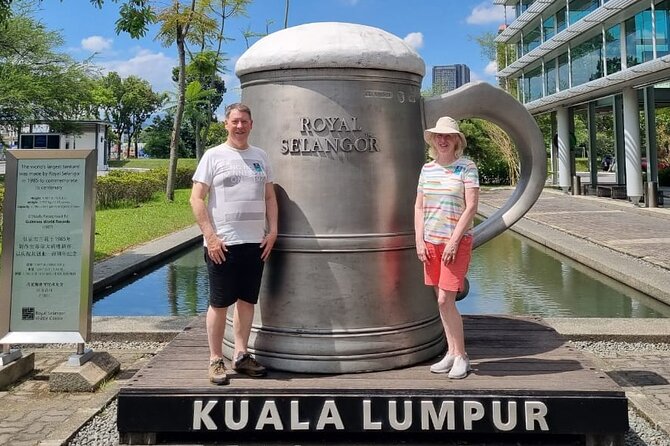
Your first stop is the Royal Selangor Visitor Centre, set out toward the Ambassador Row area. This is where you get the most modern, factory-style glimpse of how pewter is made, including watching artists at work and seeing the museum-like side of the brand.
What I like about this stop is that it is visual. Even if you are not a “craft person,” it is easier to understand pewter once you see casting or finishing in action. A lot of the enjoyment comes from how hands-on the process feels when you are standing in the same space as the makers.
Do not expect it to be purely educational and zero retail. There is a showroom and shop element built into the experience. That is normal for a tour like this, but it means you should go in with a purchase plan, or a strict no-spending rule, so you do not get pulled into impulse buying.
Practical tip: if you are sensitive to photo stops and sales pressure, keep your body language clear. If you prefer Batu Caves early, remember this order locks you into starting with pewter first.
Jadi Batek Gallery batik demo, plus how to shop smart
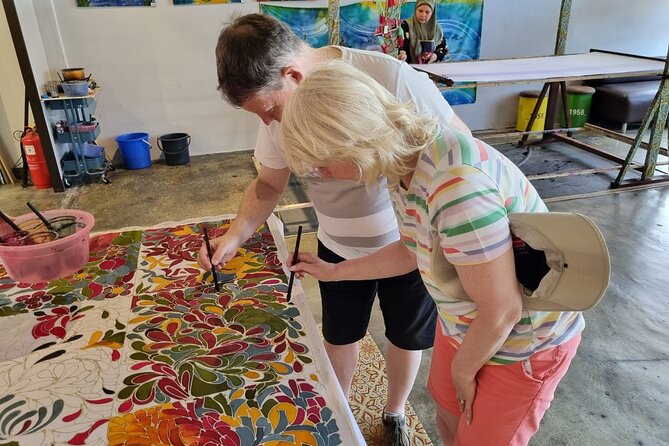
Next comes the Jadi Batek Gallery batik factory stop. Here you see batik designed and printed, and you may get a demo-style look at how patterns are created. The tone tends to be more “show and explain” than “march you through a maze of products.”
Batik is one of those crafts that makes sense fast. A guide can point out what you are seeing, like how the pattern gets applied and why the process matters. Then you get to compare what you saw to what is available in the shop.
From real on-the-ground feedback, the batik stop is often described as a softer sell than some other souvenir stops, with prices that can feel more reasonable than what you may see later in more tourist-heavy shopping zones. Still, it is a retail stop. If you are hoping for a totally non-commercial experience, you may find the showroom side a bit of a distraction.
Smart approach: decide what you want before you arrive. A small scarf or a single piece is one thing. A full cart of framed art is another. If you are budget-minded, set a number in your head, then stick to it.
Batu Caves and the 272 steps to Lord Murugah
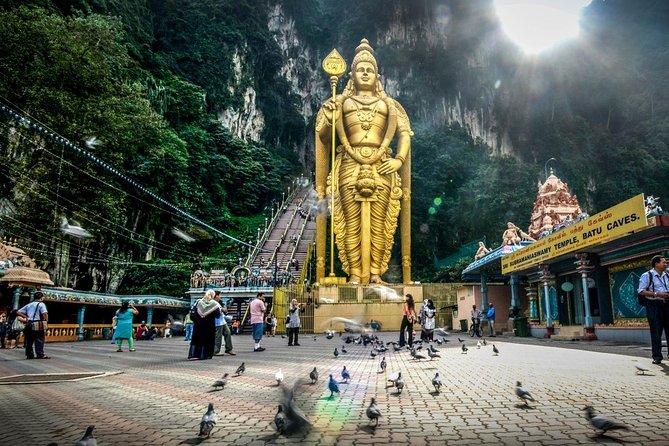
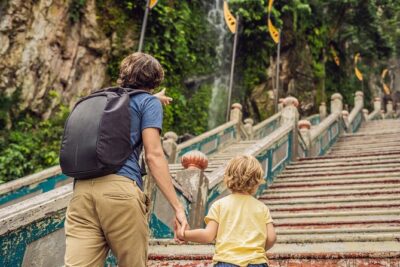
Then you hit the main event: the Batu Caves limestone hills, with three main caverns and smaller caves in the complex. It is the shrine of Lord Murugah, and the temple approach is built around a climb of 272 steps up to the main area.
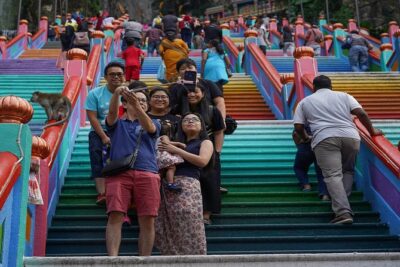
This is not a gentle stroll, even if you are used to walking. The stairs are the whole point, and they can feel steeper than you expect once you are in the middle of the crowd. If you go in the morning, you often get more shaded steps, which makes the climb feel less brutal.
Inside, what you will remember most is the scale and the spiritual atmosphere. You will see worshippers arriving and interacting with the space, and that gives Batu Caves its character. The golden statue at the entrance area also makes for classic photos, and approaching the temple grounds can feel like you are stepping into a live, active place rather than a theme-park set.
Now, the practical stuff. Monkeys are a real factor on the steps. Keep your phone and bags close. Do not feed them, and do not let them get hands-on with anything you care about. The safest mindset is simple: wild animals act wild.
Also plan for cleanliness and crowd levels. Some days feel significantly busier, and a few people note the area can look dirty. That does not change the fact that the caves are amazing. It just means you should bring wipes, expect mixed conditions, and keep your patience switched on.
Dress note: the tour uses a smart casual dress code, but Batu Caves can be stricter in practice. One practical tip that came up repeatedly is that women may need legs covered below the knees. If your outfit is too short, you might be offered a cloth skirt to cover up.
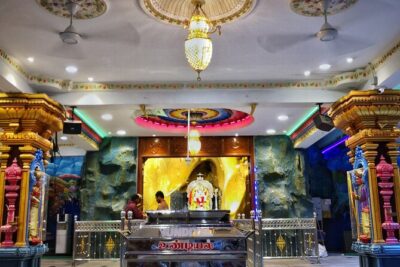
Hands on: other craft sessions nearby



Guides, timing, and the small-group advantage
The best part of this tour is the format: pickup, small group, and a guide who can give the day context so you are not just walking from one sign to the next.
The group size matters. With a maximum of 15 people, you are less likely to get stuck behind a slow crowd at every turn. That helps at Batu Caves, where stairs, photo angles, and crowd flow can slow you down fast.
Timing is the second big deal. The usual order is pewter first, then batik, then Batu Caves. That works well if you like a steady rhythm. But if you are thinking about heat and crowd control, you should ask your guide early to consider landing at Batu Caves first when conditions are best.
Guide quality is also a real differentiator. Some guide names show up with praise, including Aris, Fauzi, Matha, Indra, and Rayhan Raj Naidu. The common thread in the good experiences is that the guide is friendly, respectful, and actually tells you what you are looking at.
One more detail to keep in mind: photo moments can come up. If you are not comfortable with someone taking and sharing pictures, it is okay to set a boundary calmly. You can keep your focus on your own photos and just enjoy the caves at your pace.
Value for $29.16, and what to budget for
At $29.16 per person, this tour is priced like a value-focused KL half-day. You are paying for transport, a guide, and a structured visit to three major stops. The total time is around 3 hours 30 minutes, so it does not drag.
What makes it feel like good value is what is included. You typically get an English-speaking driver, hotel pickup and drop-off (free pickup within 5 km of the city center), and an air-conditioned vehicle. If you choose a private upgrade, your transportation is also private.
Admission is listed as free for the main stops in the itinerary, which helps keep the day simple. You still need to budget for food and drinks, since those are not included, and that is usually where the hidden costs land on short tours.
The other budget item is pickup outside the free zone. There is a USD 10 per person surcharge if you are outside the 5 km radius from the city center. If you are staying farther out, factor that in before you book so the price in your head matches the checkout total.
Bottom line on value: if Batu Caves is your must-do and you also want pewter and batik without researching transport, this is a practical package. If you already know you will skip shops entirely and you want only Batu Caves, you might compare against a simpler Batu-only plan.
What to bring, how to dress, and when to go
Bring the small stuff that makes the big difference at Batu Caves. Comfortable shoes are a must because the climb is long and uneven in spots. Water helps, and a small towel or wipes can be useful if conditions feel dusty or messy.
For clothing, smart casual is the tour’s dress guidance. Still, plan for cultural expectations at the temple area. If you have legs covered below the knees, you will often move through with less hassle. If not, be ready for a cover-up option.
Sun and crowds are real. Even if you have an air-conditioned ride to the caves, once you are on the steps you are in the open. A morning start is usually a better bet, and it can mean more shade on the climb.
Also bring a charging plan. Batu Caves can be phone-happy, and you will want photos at the entrance and inside temple areas. On busy days, you might find you lose patience for clearing storage later, so do a quick free-space check before you go.
If you care about the order of stops, think ahead. This itinerary usually starts with pewter and batik. If you want Batu Caves first, ask your guide at pickup so you have the best chance of adjusting the rhythm.
Should you book this Batu Caves and handicraft tour?
Book it if you want a simple, small-group day that covers Batu Caves plus real-world handicraft stops without you planning transport. It is especially good for first-timers with limited time, because you get structure, rides, and context.
Skip or adjust your expectations if you hate retail stops. Pewter and batik visits include shop time, and some versions of the day can feel like a mix of demonstration and sales. Also, if Batu Caves timing is your top priority, make sure you tell your guide you want to manage crowds and heat.
If you are willing to climb 272 steps, keep your valuables close around monkeys, and go in with a calm, flexible mindset, this tour is an efficient way to experience a big slice of Malaysia in one tight afternoon.
FAQ
How long is the Batu Caves and handicraft tour?
The tour is about 3 hours 30 minutes.
Is hotel pickup included?
Yes. Pickup and drop-off are included, with free pickup within 5 km of the city center.
What if my hotel is outside the pickup area?
There is a USD 10 per person surcharge for hotel pickup outside the 5 km radius from the city center, payable on the day of your activity.
How large is the group?
The tour has a maximum of 15 travelers.
What stops are included during the tour?
You visit the Royal Selangor Visitor Centre, then the Jadi Batek Gallery, and finally Batu Caves.
Are admission tickets included for the attractions?
Admission is listed as free for the main stops on the itinerary.
What is the dress code?
The dress code is smart casual. At Batu Caves, you may also want clothing that covers below the knees to avoid issues at the temple area.
When is the tour closed?
It is closed for 3 days around the Thaipusam festive period (the day before, during, and the day after).
Can I get a full refund if I cancel?
Yes. Free cancellation is available up to 24 hours in advance for a full refund.
More Tour Reviews in Kuala Lumpur
More Craft Time
Batu Caves, Keep Looking
- Kuala Lumpur: Batu Caves Half-Day Tour with Pick-Up Option
- Private Half-Day Batu Caves and Cutural Tour in Kuala Lumpur
- Genting Highland & Batu Cave Guided Day Tour (SIC/Shared Tour)
- Kuala Lumpur: Genting Highlands & Batu Caves Day Trip
- Private Tour Kuala Lumpur with Petronas Twin Towers Observation Deck & Batu Cave
Other Kuala Lumpur write-ups from our reviewers
- Sky Mirror Experience at Kuala Selangor from Kuala Lumpur
★ 4.5 · 3 reviews - Putrajaya Tour From Kuala Lumpur
★ 4.0 · 3 reviews - Private Batu Caves & Petronas Twin Tower Tickets With Lunch *26*
★ 5.0 · 3 reviews - Private Night Tour: Petronas Twin Tower And Shopping
★ 5.0 · 3 reviews - Marina Jetty Pangkor Laut or Lumut Jetty Transfer from Kuala Lumpur
★ 5.0 · 3 reviews
More Batu Caves Temple Tours.
 ★ 4.5Batu Caves Half-Day Tour with Pick-Up OptionFrom $134,288 reviews
 ★ 5.0Private Half-Day Batu Caves and Cutural Tour in Kuala LumpurFrom $353,107 reviews
 ★ 4.7Batu Caves Cultural Temple TourFrom $341,453 reviews
 ★ 5.0Genting Highland & Batu Cave Guided Day Tour (SIC/Shared Tour)From $351,289 reviews
 ★ 4.6Genting Highlands & Batu Caves Day TripFrom $371,045 reviews
 ★ 5.0Private Tour Kuala Lumpur with Petronas Twin Towers Observation Deck & Batu CaveFrom $1101,029 reviews
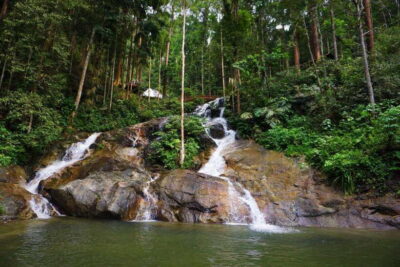 ★ 4.4Batu Caves, Ramayana Caves & Kanching FallsFrom $41821 reviews
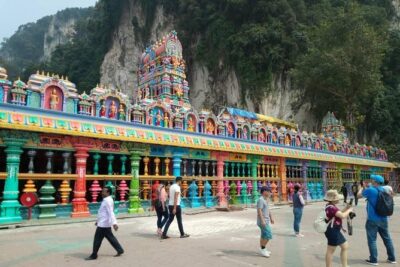 ★ 5.0Kuala Lumpur Suburbs Batu Caves Half-Day Tour (SIC/Shared Tour)From $10753 reviews
Other Malaysia lists with this tour