
REVIEW · SEPILOK ORANGUTANS & BORNEO WILDLIFE
Orangutan Island, A Responsible Wildlife Sanctuary Experience
Half-day orangutans, done responsibly. In Penang, you cross Bukit Merah Lake by boat to Orang Utan Island, where rescued orangutans live in a semi-wild habitat. You then watch them from a secure viewing area and get real context on rehabilitation and conservation.
Two things I especially like: first, the focus on ethical tourism. These are rescued and rehabilitated orangutans, not entertainment animals, and your visit supports conservation and rescue work. Second, the driver-host is more than transport. You get a local storytelling style throughout the day, with attention to the sanctuary and what you are seeing.
One thing to consider is that it is a focused half-day plan. You are looking at about 6 to 7 hours total, so if you want a super flexible day with lots of extra stops in Penang, this may feel like one main mission.
In This Review
- Key highlights to know before you go
- Orang Utan Island in Bukit Merah: the ethical part you can actually feel
- The driver-host experience in Penang, including Vejay’s storytelling style
- Getting to Bukit Merah: why the road trip time is built into the day
- The Bukit Merah Lake boat ride: your first taste of the semi-wild setting
- Orang Utan Island viewing: up-close behavior without being intrusive
- Conservation insights you can take home: rehab, rescue, and breeding efforts
- Price and value: what $153 buys you in real terms
- What to expect from the pacing: a single-stop mission done well
- Who should book this tour, and who might want a different plan
- Should you book Orangutan Island with The Local Buddies?
- FAQ
- How long is the Orangutan Island experience in Penang?
- What’s included with the tour price?
- Is pickup available?
- Is this a private tour?
- Do I need to buy tickets separately for Orang Utan Island?
- How far in advance should I book?
- Is there free cancellation, and how late can I cancel?
- Is the experience suitable for most travelers?
Key highlights to know before you go
- Scenic boat ride on Bukit Merah Lake to reach the island, turning the trip into part of the experience
- Up-close observation from a secure viewing area so you can watch natural behavior without intruding
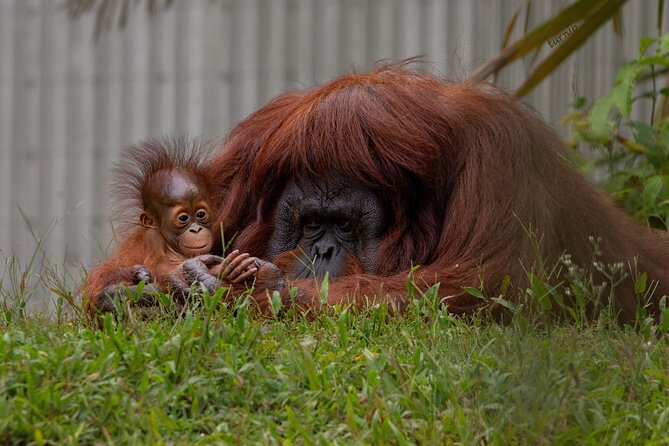
- Rehabilitation and breeding-program context that helps you understand what the sanctuary is doing for endangered orangutans
- Admission tickets included so you do not have to juggle extra payments or paperwork on the day
- Driver-host storytelling and safe, comfortable transport (Vejay is specifically praised for this kind of calm, attentive driving)
- Eco-friendly photo opportunities that encourage responsible viewing, not disruptive behavior
Still weighing it up? These Penang bookings kept coming back in our notes.
- Penang Countryside Cycling Tour. PPA2 by Matahari★ 5.0 · 99 reviews
- Penang International Airport Plaza Premium Lounge★ 4.0 · 68 reviews
- Private Half-Day George Town History Tour★ 4.5 · 62 reviews
- Penang: Fascinating 5-Hour Private Local Tour★ 4.3 · 61 reviews
Orang Utan Island in Bukit Merah: the ethical part you can actually feel
This outing has a clear purpose. You are going to Orang Utan Island in Bukit Merah, a sanctuary for rescued and rehabilitated orangutans. That matters, because the whole day is framed around conservation, not animal tricks or crowd-pleasing stunts.
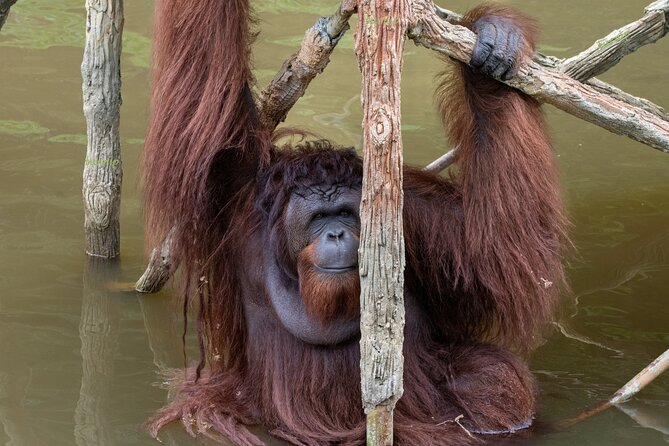
What you are doing is observing intelligent primates in a semi-wild setting where they can roam freely. You are not expected to act like you are in a theme park. Instead, you watch from a secure viewing area, which helps keep both the animals and visitors safer and calmer.
If you care about responsible wildlife tourism, this is the kind of experience where the values show up in the details. The sanctuary is explicitly connected to rescue and rehabilitation efforts. Your visit is also positioned as support for those programs, so you are not just taking photos, you are part of the funding model.
There is also a practical benefit to the way the day is built. Admission tickets are included, which removes one of the annoying parts of wildlife trips. Less logistics on the ground means more time paying attention to the orangutans and the conservation message.
The driver-host experience in Penang, including Vejay’s storytelling style
In Penang, a lot of wildlife visits fail because you spend the day in transit with no context. Here, you get the opposite. Your driver-host is described as a local expert and storyteller, so the drive is part of the tour, not dead time.
You should expect a more attentive, guided feel from start to finish. The driver-host shares insights about Orang Utan Island and the sanctuary, and they point out special moments along the way that many people miss. That is the difference between seeing something and understanding what you are seeing.
One name comes up for this role: Vejay. He is praised for being a great driver, and for sharing plenty of information about Penang while staying focused on safety. For you, that translates into a trip that feels smoother and more comfortable, especially if you are not familiar with the area.
It is also a private tour/activity, which means it is only your group. That usually helps with pacing. You are more likely to get questions answered and not feel rushed by a large crowd calendar.
Getting to Bukit Merah: why the road trip time is built into the day
This is listed as a 6 to 7 hour experience, and that is not just filler. You are traveling from Penang to the Bukit Merah area, then returning. On a half-day plan, the main risk is arriving tired or distracted. The upside is that your schedule is still long enough to make the island time count.
Pickup is offered, which is a big deal for a wildlife trip. You do not want your day to turn into negotiating local transport right before you go looking for endangered animals. Pickup helps you start focused.
The vehicle is described as comfortable in the experience feedback, and the driving is noted as safe. That matters because you are spending hours traveling and waiting. If you are prone to motion sickness or you just want to feel relaxed, comfortable transport can make the difference between an okay day and a great one.
One more thing to keep in mind: because there is only one main experience stop, you are committing to that main mission. You will not be stacking multiple wildlife attractions. For some people, that feels more meaningful. For others, it might feel too single-purpose.
The Bukit Merah Lake boat ride: your first taste of the semi-wild setting
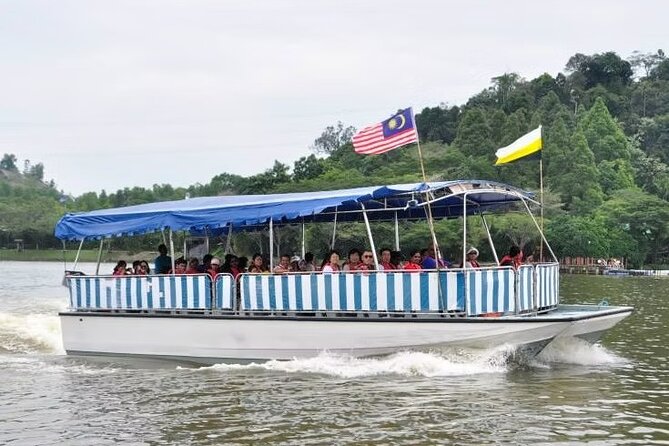
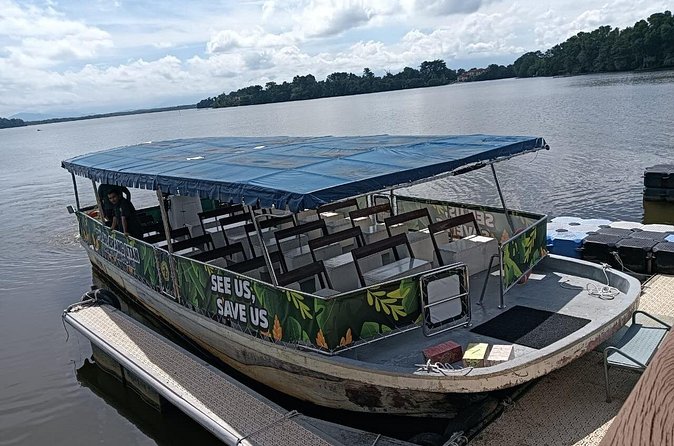
Before you even reach the orangutans, you travel by boat across Bukit Merah Lake. That boat ride is not a random transfer. It is part of how you transition from city day mode to sanctuary day mode.
Here is why that matters: water and open views change your mindset. You start scanning the horizon, you slow down, and you notice your surroundings. It can also help you get in the right headspace for watching animals behave naturally.
Also, it is simply a more pleasant way to arrive. Instead of bouncing through traffic and then hustling into viewing, you get a scenic ride first. This is also a good time to keep your camera ready. The goal is to be prepared, not frantic.
If you go, plan for the fact that your schedule is timed around this transit. That means arriving hungry for snacks or trying to squeeze in extra stops can backfire. Keep the day simple so the island visit stays calm and on time.


Orang Utan Island viewing: up-close behavior without being intrusive
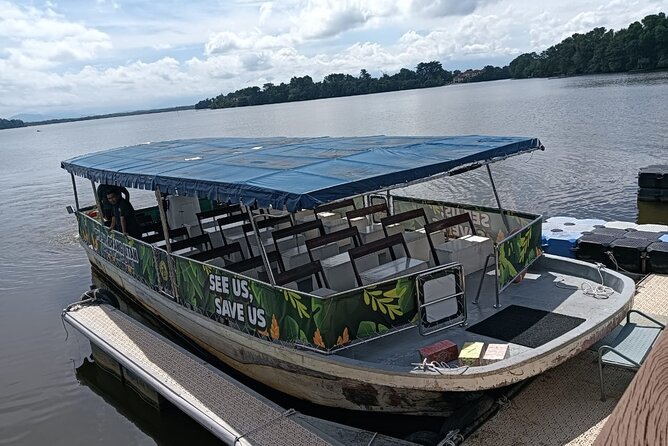
The main event is your time at Orang Utan Island. You get up-close orangutan observation from a secure viewing area. That phrasing is important. “Up-close” does not mean chaos. It means you are positioned close enough to see behavior clearly while staying within boundaries designed to protect the animals.
What you are looking for is natural interaction. Orangutans are smart, curious, and often surprisingly deliberate. From a secure viewing setup, you can watch them move, groom, rest, and respond to their surroundings without the pressure of constant human interaction.
You should also know that the sanctuary structure supports this style of viewing. The orangutans are in a semi-wild habitat, where they can roam freely. That makes their behavior less predictable, which is part of the magic. If you get comfortable and wait for moments, you will usually get the best viewing.
Photo tips, within the rules, are part of the experience. There are eco-friendly photo opportunities designed to help you capture what you see without disturbing the animals. Practically, that means you should avoid anything that draws attention or crosses boundaries. Think respectful, steady, and quiet.
For people who care about animal welfare, this is the sweet spot. You get to see orangutans clearly, while the experience emphasizes responsible behavior and conservation-first operations.
Conservation insights you can take home: rehab, rescue, and breeding efforts
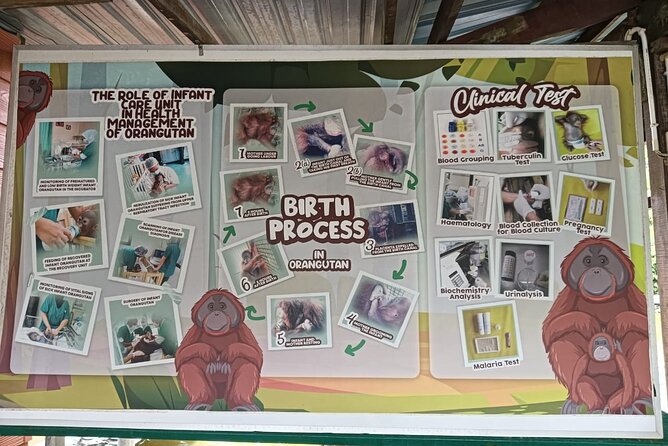
Seeing orangutans in real life is powerful. But the day is also structured so you learn why this sanctuary exists and what it is trying to accomplish.
You will get conservation insights about rehabilitation efforts and how the sanctuary protects endangered orangutans. The message is not just generic. The experience notes also mention learning about a breeding program aimed at helping stabilize an endangered species.
That added context matters because it reframes your visit. You are not only observing individuals in a semi-wild environment. You are also learning how rescue and recovery can be part of a long-term survival strategy.
This kind of education also makes your photos and memories more meaningful. You can point to specific behaviors you witnessed and connect them to the bigger story: rescued animals, rehabilitation work, and breeding efforts that support future conservation.
One more angle that makes this worthwhile: you are supporting ethical tourism. The experience is positioned as funding conservation and rescue programs. That is the kind of “what did my money actually do?” question you want wildlife trips to answer, and this one connects the visit to conservation outcomes.
Price and value: what $153 buys you in real terms
At $153 per person, this is not a budget street-market outing. But you should not evaluate it only by the sticker price. Look at what is included and what you avoid.
First, admission tickets are included. For wildlife sanctuaries, that can be a meaningful chunk of the cost, and it removes last-minute hassle. Second, pickup is offered, which saves time and reduces the uncertainty of finding transport on your own.
Third, you get a private setup for your group, with a driver-host who acts like a local guide during the journey. That is not just transportation. It is context, storytelling, and guidance that helps you get more from the viewing time.
Also, group discounts are available. If you are traveling with friends or family, you may be able to lower your per-person value by traveling together.
Finally, the time investment is efficient. You are out for about 6 to 7 hours, with around 3 hours associated with the island visit and included admission. If your goal is one strong conservation experience rather than a list of small stops, this price can feel fair.
A possible downside on the value side is that you are paying for a structured program. If you love wandering and want to build your own day around spontaneous detours, this will feel more “planned” than that style.
What to expect from the pacing: a single-stop mission done well
This experience is built around one main stop at Orang Utan Island. That makes the day easier to understand and easier to manage. There is less confusion about switching locations, and you spend your energy on the thing you came for.
You should expect the biggest chunk of “active time” during the island visit, plus the scenic boat ride and observation period. The island time is listed as about 3 hours with the admission ticket included. The rest of your 6 to 7 hours is transportation and the natural flow of the day.
Pacing is where private tours tend to win. Because it is only your group, your guide can adjust to the moment. You are not constantly herded into the same photo spot every 20 seconds.
The best way to make the most of that pacing is simple. Be patient with animal behavior. Orangutans do not perform on command. If you treat viewing like a calm waiting game, you will get better moments.
And because the experience includes conservation insights, don’t rush through the learning parts. Even if you think you know what a sanctuary does, the breeding program and rehabilitation focus can add clarity fast.
Who should book this tour, and who might want a different plan
This is a great fit if you want an ethical wildlife experience with a conservation message you can understand. If you are the type who likes to learn while you watch, the driver-host storytelling and sanctuary insights make it stronger.
You will probably enjoy it if you appreciate responsible animal viewing. Secure viewing areas, semi-wild habitats, and eco-friendly photo opportunities are all signals that the experience is designed to keep animals undisturbed.
It also fits families and most travelers, since the experience states that most people can participate. If you are traveling with mixed ages, a half-day plan is often easier to manage.
You might want a different plan if you hate structured tours and want a highly flexible day with multiple stops. Since this is essentially a one-stop mission, it will not satisfy you if you want to bounce between many attractions.
And if you are on a strict “only the shortest day possible” schedule, plan ahead for the 6 to 7 hour duration. It is not an ultra-short visit, but it is also not an all-day commitment.
Should you book Orangutan Island with The Local Buddies?
I think this is a strong booking choice if your top priority is ethical orangutan viewing with actual conservation context. The combination of a semi-wild sanctuary, secure viewing, and guided explanations makes it more than a sightseeing stop.
The clearest “yes” signals for me are the emphasis on rehabilitation and breeding efforts, plus the way admission is included so the day stays smooth. Add pickup and a private group format, and you get a trip that feels organized without feeling sterile.
My small caution is about expectations. This is a focused half-day. You will spend time on the road and on the island, not bouncing around Penang for extra sights.
If you want a responsible wildlife experience where you learn as you watch, book it. If you want total freedom and lots of variety in one day, you may feel boxed in.
FAQ
How long is the Orangutan Island experience in Penang?
The total experience time is about 6 to 7 hours, with roughly 3 hours spent at Orang Utan Island.
What’s included with the tour price?
All admission tickets are included. Pickup is offered, and the tour includes a mobile ticket.
Is pickup available?
Yes, pickup is offered.
Is this a private tour?
Yes. It is a private tour or activity, and only your group will participate.
Do I need to buy tickets separately for Orang Utan Island?
No. Admission tickets are included as part of the experience price.
How far in advance should I book?
On average, this experience is booked about 33 days in advance.
Is there free cancellation, and how late can I cancel?
Yes, free cancellation is available up to 24 hours in advance for a full refund.
Is the experience suitable for most travelers?
Yes. Most travelers can participate.
More Tour Reviews in Penang
Other Penang write-ups from our reviewers
- Penang Airport Transfer
★ 5.0 · 4 reviews - Penang: Exciting Local Half Day Private tour 6-10pax(5Hours)
★ 5.0 · 4 reviews - Malaysia: Penang Tropical Spice Garden Guided Tours Tickets
★ 5.0 · 5 reviews - Private Half-Day Penang Highlights City Tour
★ 4.0 · 5 reviews - Penang: Exciting Local Full Day Private tour 6-10pax(8Hours)
★ 4.3 · 5 reviews
More Sepilok Orangutans & Borneo Wildlife.
 ★ 4.8Bongawan River Cruise: Proboscis Monkey & Fireflies MangroveFrom $58437 reviews
 ★ 4.2Bongawan Wetland: Proboscis Monkey and Fireflies Shared TourFrom $65137 reviews
 ★ 4.0Sky-Mirror Photographing and Proboscis Monkey & Fireflies Watching River-CruiseFrom $81109 reviews
 ★ 4.5Borneo Wildlife Tour 3 Days 2 Nights At Tanjung Bulat Jungle Camp KinabatanganFrom $270100 reviews
 ★ 5.0Bongawan River Cruise Proboscis Monkey, SkyMirror, FirefliesFrom $5258 reviews
 ★ 4.0Private Full Day Sepilok Orang Utan, Bornean Sun Bear and Rainforest Discovery Center TourFrom $12554 reviews
 ★ 4.5Semenggoh Orangutan Centre from KuchingFrom $6653 reviews
 ★ 4.0Proboscis Monkey and Fireflies River CruiseFrom $8151 reviews
Other Malaysia lists with this tour