
REVIEW · MALAYSIAN STREET FOOD TOURS
Culinary Journey Through Chinatown with All Type of Delicacies
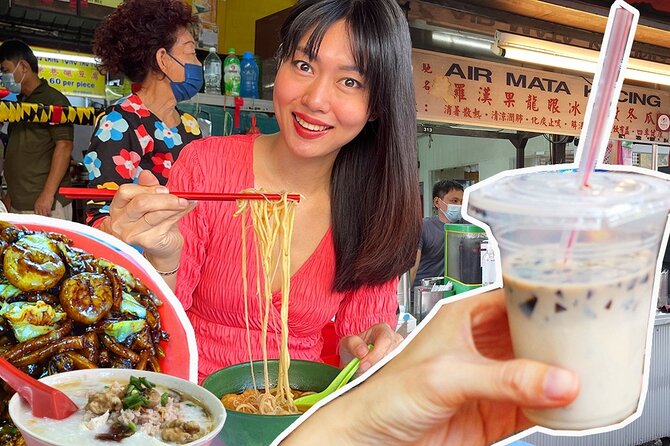
Chinatown at snack speed is the idea. This 3-hour, small-group walk gives you a clear path through Kuala Lumpur’s Chinatown, with food, drinks, and dessert tastings built into the route. I especially like that the tour includes a mix of Chinese and Malaysian staples, and it finishes with a proper plate of Chinese noodles. The one thing to consider is that you should come with an appetite, because you’ll walk an average of 2 to 3 km and you’re encouraged to start with an empty stomach.
The meeting point is simple, Central Market near the information counter, and the timing is practical with a 4:00 pm start. You also get an English-speaking local host, plus bottled water, so you are not stuck guessing your way through menus. If you need a strict dietary plan, request halal or vegetarian options at booking, since the food stops can flex based on availability and you’ll want the substitutions to be sorted ahead of time.
In This Review
- Key things you will taste and do
- Why this 4:00 pm Chinatown timing works so well
- Central Market start: easy meeting, clear flow, no guesswork
- Petaling Street and Chinatown basics: shopping plus food instincts
- Bakkwa Chinese dry meat: why this stop is a must
- Malaysian-style pancake (apam balik): fluffy center, crunchy edges
- Soya bean drink and tofu fa, plus tropical fruit breaks
- Teh tarik and roti canai: the comforting duo
- Hokkien mee finish: savory noodles to tie it all together
- Food value: what $104.80 covers and why it is worth it
- Getting the most out of the walking distance and your comfort
- Halal and vegetarian options: how to handle dietary needs
- Should you book this Chinatown tasting tour?
- FAQ
- FAQ
- How long is the Chinatown food tour?
- What is the tour price per person?
- Where do we meet for the tour?
- What time does the tour start?
- Is hotel pickup included?
- What is included in the price?
- Are halal or vegetarian options available?
- Is the tour mostly walking?
- Is alcohol included?
Key things you will taste and do
- Central Market meet-up, then straight into Chinatown without wasting time
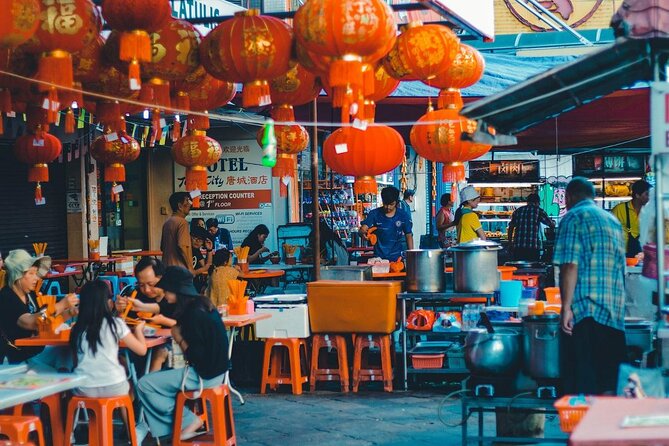
- Petaling Street market wandering for shopping and street-food vibes
- Bakkwa Chinese dry meat tasting, a Malaysian take on BBQ-style flavor
- Apam balik style Malaysian pancake with fluffy center and crisp edges
- Teh tarik and roti canai at an Indian Muslim restaurant stop
- Hokkien mee noodles to end with a satisfying, savory final bite
More of KL, from half day loops to full days out of the city
- Kuala Lumpur: Batu Caves Half-Day Tour with Pick-Up Option★ 4.5 · 4,288 reviews
- Private Half-Day Batu Caves and Cutural Tour in Kuala Lumpur★ 5.0 · 3,107 reviews
- Kuala Lumpur: Sambal Street Food Tour with 15+ Tastings★ 4.9 · 1,657 reviews
- From Kuala Lumpur: Cameron Highlands Day Tour with Lunch★ 4.3 · 1,178 reviews
Why this 4:00 pm Chinatown timing works so well
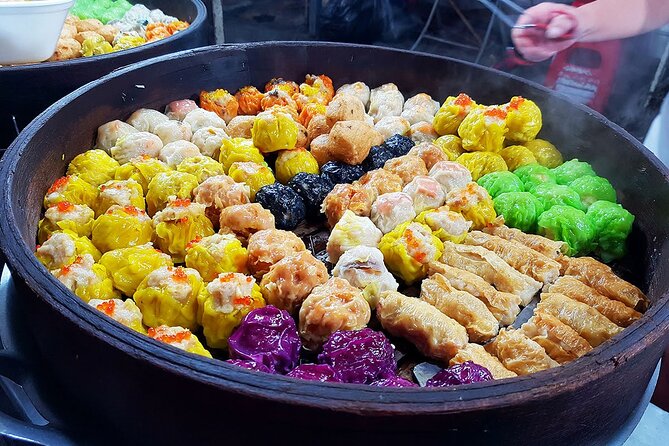
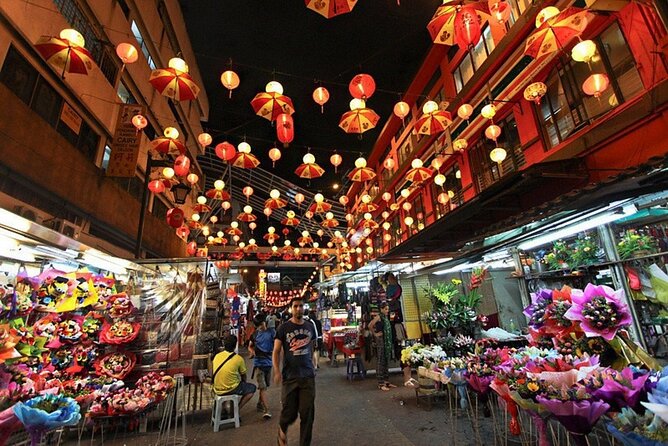
A late afternoon Chinatown tour is a smart move in Kuala Lumpur. By 4:00 pm, you have enough daylight to orient yourself, and the food stalls and storefronts tend to feel active without the harshest heat.
You are also not stuck doing a full evening that drags on and on. This one is about 3 hours with multiple short tastings, so you can get your fix and still plan dinner afterward if you want to.
Central Market start: easy meeting, clear flow, no guesswork
The experience begins at Central Market, Kuala Lumpur City Centre, near the information counter. You can meet up there and get everyone oriented quickly, and the tour uses a mobile ticket so you do not have to hunt for paperwork.
From the start, the format is straightforward: short stops, a host-led explanation, then you move on. That matters because Chinatown can feel like a maze if you arrive hungry and alone. Here, you get a sensible path and tasting order instead of wandering until you find something that looks good.
Practical tip: keep your phone charged and your stomach empty. The instructions say come with an empty stomach, and the tastings are exactly the kind of food that add up faster than you think.
Petaling Street and Chinatown basics: shopping plus food instincts
Next you head toward Petaling Street, the heart of Chinatown. This is where the tour becomes more than just eating, because you also get a chance to see how the area works, what people buy, and how the stalls are set up.
You are likely to browse for souvenirs along the way, but the better value is learning how to pick what to eat without overthinking. A good host helps you notice the difference between a place that is just selling and a place that is serving.
If you want to pick up a few gifts or snacks to take home, this is also where you can slow down. The stops are timed, so you still move with the group, but you’ll have pockets of time to look around.
Bakkwa Chinese dry meat: why this stop is a must
One tasting you should not skip is bakkwa Chinese dry meat. This is a classic BBQ-style Chinese ingredient, and in Malaysia it has a local identity that feels very “you are here” rather than imported.
The stop includes tasting two types of meats, so you can compare flavor and texture instead of sampling one option and guessing the rest. Expect it to be chewy, savory, and strongly seasoned, more like a concentrated snack than a fresh plate of meat.
What I like about this kind of stop is that it teaches you how Malaysians use Chinese ingredients in everyday ways. You learn what to look for later at other shops, so the flavor is not trapped inside the tour.
Hungry yet? More plates on this list

Malaysian-style pancake (apam balik): fluffy center, crunchy edges
Then you move to Malaysian-style pancake, also known as apam balik style. This is the kind of street food that looks simple but pays off when you understand the texture.
The description here is the key: a fluffy core with crunchy edges. That contrast is what makes it so satisfying as a walking snack, because you get different bites as you chew.
If you are the type who usually avoids dessert during a food tour, this one is a good exception. It feels like a real snack, not just sweet sugar. And it pairs well with the next drink stop, where you cool down after the savory bites.
Soya bean drink and tofu fa, plus tropical fruit breaks
After the pancake, you’ll try a soya bean drink, which can be served hot or cold. The hot version is described as jelly-like, including a tofu fa feel, so you get a cooling, spoonable texture that resets your palate.
You’ll also sample local tropical fruits during the walk. That matters because Chinatown food can become heavy, fast. Fruit gives you a quick balance, and it helps you keep enjoying the rest of the tastings rather than feeling stuck in the same flavor loop.
Timing note: the tour uses short windows at each stop. That’s good for value, but it means you should take small bites and pace yourself if you are sensitive to very sweet or very salty foods.
Teh tarik and roti canai: the comforting duo
One of the most memorable parts of the route is the Indian Muslim restaurant stop for teh tarik and roti canai. If you only remember one drink from Chinatown, make it this one.
Teh tarik is Malaysia’s famous pulled milk tea, and the tour includes sampling it hot or ready to match the meal-like feel of the tasting. Then you add roti canai, described as a breakfast or tea-time delicacy. This is the kind of food that feels filling without being complicated.
This stop is also where the guide experience really shows. The tour guide Rayhan Raj Naidu has a strong reputation for being friendly and good at explaining what you are eating, and people come away confident about what to order next time. Even if you are not a big chatty person, a guide who communicates well makes the tastings feel less random.
Simple order strategy for the future: after trying roti canai on this tour, you will know to look for that warm, layered texture and the right balance between bread and sauce or dips.
Hokkien mee finish: savory noodles to tie it all together
Finally, you head to a Chinese restaurant for Hokkien mee. This is a strong finish because it shifts you from snack mode to proper meal mode.
Hokkien mee noodles are a comforting end point, especially after several smaller tastings. It also gives you something different from the sweets and drinks you’ve had earlier, so your last bite feels like a reward rather than a second dessert.
At this point, you should be thinking about how you want to handle the rest of your evening. The tour encourages an empty stomach at the start, but it also ends back at the original meeting point. That makes it easy to head elsewhere without the hassle of arranging a new meeting.
Food value: what $104.80 covers and why it is worth it
For $104.80 per person, you are paying for an organized walk plus a set of tastings. Included are food, drinks, and dessert tastings, bottled water, and an English-speaking local host.
That matters because many Chinatown food adventures fall apart in one of two ways: either you overbuy because you are hungry and uncertain, or you pay for one big meal and miss the chance to try a range of specialties. Here, the structure pushes you through multiple classics, from bakkwa to apam balik style pancake to teh tarik and roti canai, then ends with Hokkien mee.
Alcohol is not included, and additional beverages (especially alcoholic drinks) are on you. If you do not drink alcohol on tours, the price can feel very reasonable for the amount of food you get.
Also, the group size is capped at 15 travelers, which usually helps the host manage pacing and answers without sounding rushed.
Getting the most out of the walking distance and your comfort
The tour notes an average walking distance of 2 to 3 km, with stop and relax moments built in. That is not a marathon, but it is still a real walk, especially if you are wearing shoes that are fine for museums but not for city sidewalks and turns.
You should also have moderate physical fitness. The pacing is part of the fun, but there are multiple short transitions, and you will be on your feet more than you might expect because each stop takes you a few minutes deeper.
What to wear: Chinatown is hot and humid. Wear comfortable walking shoes. Bring a small umbrella if rain is possible, since the activity time can be affected by weather or safety protocols.
Dress code note: the operator includes a Hindu temple dress code guideline, with shoulders covered and knees covered, and footwear removed with lockers at the entrance. The tour route is food focused, but if a temple stop is part of your day for any reason, plan for this. A scarf can be a lifesaver.
Halal and vegetarian options: how to handle dietary needs
The tour states that a Halal and Vegetarian option is available, as long as you request it when booking. That is your best move, because the operator can then plan substitutions across several stops.
If you have allergies or a special diet, the guidance is to tell your host. Since this is a multi-stop tasting experience, even one ingredient issue can affect multiple foods. The more clearly you communicate, the smoother your whole tour will be.
One more thing: the site for street food might change due to availability, but the tour guarantees the same authentic experiences. That flexibility is useful, but it also makes early dietary communication even more important.
Should you book this Chinatown tasting tour?
I think this is a strong booking if you want a practical Chinatown experience with guided tastings instead of wandering randomly. The route covers a real range, from Chinese BBQ-style flavor with bakkwa to Malaysian snacks like apam balik style pancake, then to the classic pairing of teh tarik and roti canai, and a savory end with Hokkien mee.
Book it if you:
- like tasting many small specialties in a short time
- want a host to explain what to order and why
- prefer a small group setting over a huge crowd
Skip or reconsider if you:
- do not enjoy walking even short distances
- have complex food restrictions and cannot communicate them in advance
- want a long, sit-down meal instead of a series of tastings
FAQ
FAQ
How long is the Chinatown food tour?
The tour lasts about 3 hours.
What is the tour price per person?
The price is $104.80 per person.
Where do we meet for the tour?
Meet at Central Market, Kuala Lumpur City Centre, near the information counter. The tour ends back at the same meeting point.
What time does the tour start?
The start time is 4:00 pm.
Is hotel pickup included?
No. Hotel pickup and drop-off are not included, so you need to get yourself to Central Market (taxi or Grab works).
What is included in the price?
The price includes a friendly English-speaking local host, food, drinks, and dessert tastings, and bottled water.
Are halal or vegetarian options available?
Yes. Halal and vegetarian options are available if you advise the operator at booking. If you have allergies or a specific diet, tell your host.
Is the tour mostly walking?
Yes. The tour involves an average walk of 2 to 3 km, with moderate physical fitness recommended.
Is alcohol included?
No. Additional beverages, including alcoholic drinks, are not included.
More Tour Reviews in Kuala Lumpur
Malaysia by the Plate
KL, Three More Ways
Other Kuala Lumpur write-ups from our reviewers
- Sky Mirror Experience at Kuala Selangor from Kuala Lumpur
★ 4.5 · 3 reviews - Putrajaya Tour From Kuala Lumpur
★ 4.0 · 3 reviews - Private Batu Caves & Petronas Twin Tower Tickets With Lunch *26*
★ 5.0 · 3 reviews - Private Night Tour: Petronas Twin Tower And Shopping
★ 5.0 · 3 reviews - Marina Jetty Pangkor Laut or Lumut Jetty Transfer from Kuala Lumpur
★ 5.0 · 3 reviews
More Malaysian Street Food Tours.
 ★ 4.9Sambal Street Food Tour with 15+ TastingsFrom $531,657 reviews
 ★ 4.9Penang Plates Food Tour with 15+ TastingsFrom $49734 reviews
 ★ 5.0The 10 Tastings of Kuala Lumpur With Locals: Private Street Food TourFrom $79249 reviews
 ★ 4.5Kuala Lumpur Local Street Food Private Walking Tour by NightFrom $68224 reviews
 ★ 5.0Eat Like a Local: Kuala Lumpur Hawker Center and Street Food Tour by NightFrom $62198 reviews
 ★ 4.5Local Street Food Night TourFrom $69162 reviews
 ★ 5.0Laksa Lanes Kuala Lumpur Food Tour with 14+ TastingsFrom $55148 reviews
 ★ 5.0Good Morning Penang Food Tour with 15+ TastingsFrom $49148 reviews
Other Malaysia lists with this tour