
REVIEW · LANGKAWI ISLAND TOURS
Birdwatching Tour in Langkawi
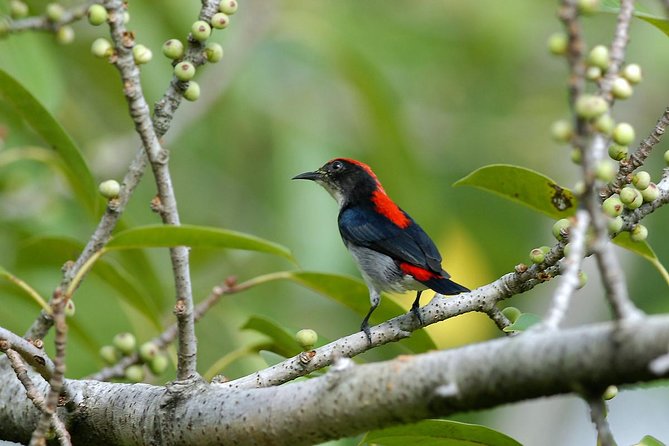
Birding here feels close, not distant. The Langkawi outing I like most is the local guide leading you to birds you might walk past. I also love that pickup and field gear are handled, so you can focus on spotting whistling ducks, egrets, herons, and hornbills instead of logistics.
One drawback to plan for: birds are often in trees or at a distance. That means great binocular time, sometimes tricky photos, and less action than you’d get on a tour where animals come to you.
In This Review
- Quick highlights for Langkawi birders
- Birdwatching in Langkawi, pond to mountain peak
- Price and what $82 covers in real terms
- The guide matters more than the bird species list
- JungleWalla stop: what the 4 hours actually feel like
- What birds you’re likely to target on this route
- Morning vs afternoon departures, how to choose
- What to wear, and why color choices matter
- Binoculars and scope, plus the art of scanning
- Photography reality check, getting the shot you want
- Family-friendly birding, how easy it is for kids
- Weather, rain, and the day’s bird mood
- Bird tourism ethics you can feel good about
- Who should book this tour, and who might skip it
- Should you book this birdwatching tour in Langkawi?
- FAQ
- How long is the birdwatching tour in Langkawi?
- Do I get pickup from my hotel?
- What time does the tour start?
- Are binoculars included?
- Is food included?
- Is the tour suitable for families?
- What should I wear?
- What if the weather is bad?
Quick highlights for Langkawi birders
- Small group size (up to 8) keeps attention on your sightings, not crowd control
- Binoculars and scope included, with bottled water to keep your eyes on birds
- JungleWalla follows Birdlife International bird-tour best practices, no feeding, bait, or bird calls
- Morning or afternoon departures lets you match your energy to the day’s bird activity
- Target-bird requests are welcome if you email in advance, so you can hunt with purpose
Langkawi has plenty more where that came from
- Langkawi: Kilim Mangrove Boat Tour with Lunch and Pickup★ 4.8 · 899 reviews
- Langkawi : Premium Jet Ski Tour Including Dayang Bunting Island★ 5.0 · 704 reviews
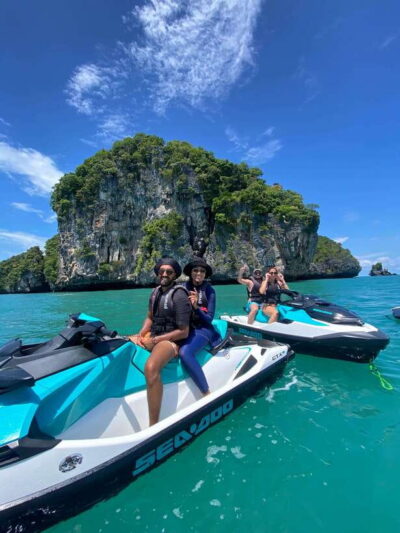
- Langkawi Jet Ski Tour Dayang Bunting Free Drone Video★ 4.8 · 517 reviews
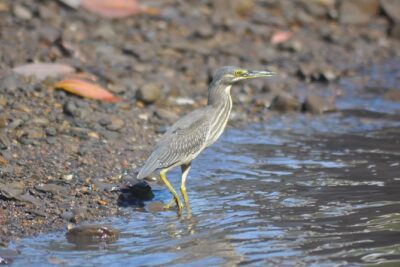
- 5 Hours Sharing Basis Kilim Mangrove Safari Boat Tour in Langkawi★ 5.0 · 504 reviews
Birdwatching in Langkawi, pond to mountain peak
Langkawi birding works because the island mixes habitats in a short time. In about four hours, you move from wetland edges like a village pond area toward higher rainforest terrain near Langkawi’s highest peak. That variety is why you can get both waterbirds and rainforest species on the same outing.
What you’re really buying is not just a list of names, it’s a chance to see how birds use different micro-habitats. When a guide points out where the food and cover are, you start noticing behavior, not just shapes. That turns the whole walk into a kind of outdoor spotting game you can actually win.
Price and what $82 covers in real terms
At $82 per person, this is a mid-priced half-day tour. The value comes from what’s included, not the sticker.
Here’s what you do get:
- Return transfers from hotels in Langkawi
- An English-speaking nature guide
- Binoculars to use, and a scope is part of the setup
- Bottled water
And here’s what you should plan for:
- Food and drinks are not included
In practice, paying for pickup matters on Langkawi. It saves you from negotiating transport on a tight schedule, especially when your start time is set for the birding window. The gear also helps if you don’t travel with your own optics, which is the difference between noticing a bird and actually seeing it.
The guide matters more than the bird species list
This tour runs with local bird-watching enthusiasts, and that makes a huge difference. In the field, the guide’s job is to help you spot birds that look invisible until someone teaches you what to scan for.
I like that this experience is family-friendly, but it still treats birding seriously. Guides also appear to share habitat context, not just call out species names. You can see how that works when a guide connects a sighting to what the habitat needs, like mangroves and wetland protection.
You’ll also benefit from a guide who can pace the group. Several people highlight that good eyes and fast scanning can reveal birds missed from farther back. When the guide knows the rhythm of the search, you spend less time guessing and more time watching.
JungleWalla stop: what the 4 hours actually feel like
The itinerary lists Stop 1: JungleWalla, and the rest of your time is built around moving through nearby bird habitats. Expect a morning or afternoon pace that balances walking with lots of stop-and-scan time.
The core arc is:
- Start in or near wetter areas like a village pond zone
- Switch to higher ground and mountain rainforest terrain
- Watch for both waterbirds and larger rainforest birds, including hornbills
That pond-to-peak style route is the key to the variety promised here. Water edges tend to deliver kingfishers, herons, and egrets, while rainforest edges and canopy zones are where you start hearing and hunting for hornbills.
One practical note: the tour is max 8 people. That size is great for attention, but it also means the group dynamic matters. If you want quiet birding, choose a departure time when the day is calmer for you, and wear the right colors so you do not distract wildlife.

What birds you’re likely to target on this route
You can aim for both waterbirds and rainforest birds, and the tour description calls out specific examples. On the water side, look for whistling ducks, egrets, and herons. In the rainforest, the big focus is often hornbills, including species like great hornbills and other related hornbill types.
You’ll also have chances at kingfishers, including sightings tied to active feeding moments. When birds hunt, they turn from a sitting shape into a behavior you can actually track. That is where binocular time pays off.
If you bird by a personal list, you can message ahead with target birds. The operator says they welcome that in advance. The best part is that guides can adjust how they search for habitat signals, rather than just following a fixed path.
Morning vs afternoon departures, how to choose
You get a choice of morning or afternoon departure. I like having that option because birds and weather both shift through the day.
If you prefer cooler temperatures and the idea of birds being more active early, choose the morning. If you want a more relaxed start and can handle the sun and humidity later, pick the afternoon.
Either way, you’re doing a compact four-hour window. That means you should treat your choice as part of your birding strategy. Don’t plan a heavy schedule immediately before or after, because Langkawi weather and walking pace can add up.
What to wear, and why color choices matter
This tour asks for moderate physical fitness. You should also treat it as a long-stare walk, not a stroll. Comfortable walking shoes are a must, and you’ll want to protect your skin from sun and insects.
Recommended attire includes:
- Long sleeve shirts and long pants
- Walking shoes
- Hat and strong sun protection
- Earth tones like green, brown, or black
- Avoid bright colors like red, yellow, and white
Those color tips are not just for style. Birds notice movement and contrast, and bright clothing can stand out to you and to them. Earth tones also help you blend in when you stop near branches or scan from a distance.
If you have them, bring insect repellent. It’s not listed in the included items, and the tour does not claim repellent will be provided. Pack it like you would for any rainforest edge walk.
Binoculars and scope, plus the art of scanning
Binoculars and a scope are included, and that’s a big deal for value. Still, the tour advises you to bring your own binoculars if you can.
Two things to keep in mind:
- If you use your own optics, you’ll already know the settings
- If you rely on the provided gear, you’ll want a quick moment at each stop to get them focused
A good guide also teaches you how to scan. One tip mentioned in the field is paying attention to branches and using your eyes to look lower or near specific structures. That’s how you turn half-seen shapes into actual birds.
If you’re not a hard-core birder, there can be a lot of time looking through binoculars. The experience is built around patience, and that’s part of the bargain.
Photography reality check, getting the shot you want
I’ll be honest: close-up bird photography is never guaranteed, and this tour comes with that reality. Birds can be distant, perched high, or hidden behind branches. Even with a guide, you may end up with photos that are more about proof of sighting than magazine-level detail.
What you can control:
- Bring a camera with good zoom if you own one
- Keep your focus ready during each stop
- Expect more results when birds are actively hunting or calling
If you want the best chance at decent photos, arrive with realistic expectations. The value is in seeing the bird clearly through optics, not in expecting every frame to be a tight portrait.
That said, there are moments when birds show feeding behavior, and those are the times your lens usually gets something better than a silhouette.
Family-friendly birding, how easy it is for kids
This tour is described as family friendly, and the four-hour length helps. You’re not doing an all-day hike, and you’re frequently stopping to watch.
That said, it still includes walking and time outdoors. Kids who love spotting animals or listening for calls will usually do well. Kids who get restless with slow searching might struggle unless you pick a time when they’re energized.
The group size also helps. With up to 8 people, it’s easier for a guide to keep an eye on everyone and adjust pacing.
Weather, rain, and the day’s bird mood
This experience requires good weather. If poor weather cancels the tour, you’ll be offered another date or a full refund.
In the real world, birding can shift fast with rain or cloud cover. One practical way to handle it is to dress for the sun first, then be ready for sudden rain with appropriate outerwear. Since rain gear is not listed as included, pack your own.
Also remember: birds do not always fly off dramatically when it rains. Sometimes the weather just changes what you can hear and where you should look.
Bird tourism ethics you can feel good about
A key note with this tour is that JungleWalla follows Birdlife International Guidelines for Best Practices on Bird Tourism. The operator promises they will not participate in feeding, bait, or bird calls.
That matters because it keeps the experience about natural behavior. It also protects the birds and the habitats you are visiting. You get to watch the real rhythm of wildlife rather than an engineered show.
If you care about conservation, this is one of the best reasons to choose this tour style over anything that uses tricks to force sightings.
Who should book this tour, and who might skip it
You should book if:
- You want a short, guided half-day focused on real birds
- You like nature guides who point out what you might miss
- You care about ethical birding practices with no bait or calls
- You want a blend of waterbirds and rainforest species in one outing
You might skip if:
- You mainly want close-up photos with minimal searching
- You dislike spending long minutes scanning through binoculars
- You want a fast pace with constant movement
Should you book this birdwatching tour in Langkawi?
If you like the idea of moving from pond edges toward rainforest terrain and chasing hornbills and waterbirds in one compact session, this tour fits well. The included pickup, the small group size, and the optics help you make the most of a four-hour window.
I’d book it if you’re building a bird list, traveling with family, or simply want an afternoon that feels away from the beach. Just go in with the right mindset: birding rewards patience, and the best results come when you let the guide help you learn what to look for.
FAQ
How long is the birdwatching tour in Langkawi?
It lasts about 4 hours.
Do I get pickup from my hotel?
Yes. Return transfers from any hotels in Langkawi are included.
What time does the tour start?
The listed start time is 7:30 am. You can choose morning or afternoon departure when booking.
Are binoculars included?
Yes. Binoculars are provided to use, and it’s advised that you bring your own if you have them.
Is food included?
No. Food and drinks are not included.
Is the tour suitable for families?
The tour is described as family friendly.
What should I wear?
Wear long sleeve shirts, long pants, and walking shoes, plus a hat and good sun protection. Earth colors are recommended, and bright colors like red, yellow, and white should be avoided.
What if the weather is bad?
The experience requires good weather. If it’s canceled due to poor weather, you’ll be offered a different date or a full refund.
More Tours in Langkawi
More Tour Reviews in Langkawi
Langkawi, Keep Exploring
Other Langkawi write-ups from our reviewers
- Private Tour : Langkawi Half Day City Exploration
★ 4.0 · 3 reviews - Langkawi Sky Cab (Cable Car) Admission Ticket
★ 4.5 · 3 reviews - Langkawi Myth & Legend Tour MahsuriTomb TelagaTujuh BerasTerbakar
★ 3.5 · 4 reviews - Private Langkawi Mangrove Forest Boat Tour Tg Rhu with Lunch
★ 4.5 · 5 reviews - 2 Hours Private Mangrove Tour Langkawi
★ 5.0 · 5 reviews
More Langkawi Island Tours.
 ★ 4.8Kilim Mangrove Boat Tour with Lunch and PickupFrom $47899 reviews
 ★ 5.0Premium Jet Ski Tour Including Dayang Bunting IslandFrom $171704 reviews
 ★ 4.8Langkawi Jet Ski Tour Dayang Bunting Free Drone VideoFrom $186517 reviews
 ★ 5.05 Hours Sharing Basis Kilim Mangrove Safari Boat Tour in LangkawiFrom $38504 reviews
 ★ 4.6Mangrove River Cruise Sharing 3 HoursFrom $18474 reviews
 ★ 4.9UNESCO Global Geopark Mangrove CruiseFrom $34383 reviews
 ★ 4.9Kilim Geoforest Mangrove Kayak Tour with LunchFrom $59358 reviews
 ★ 5.0Half-Day Geopark Cruise from LangkawiFrom $75328 reviews
Other Malaysia lists with this tour