
REVIEW · JOHOR, LEGOLAND & DESARU TRIPS
Birdwatching: Desaru’s Winged Gems
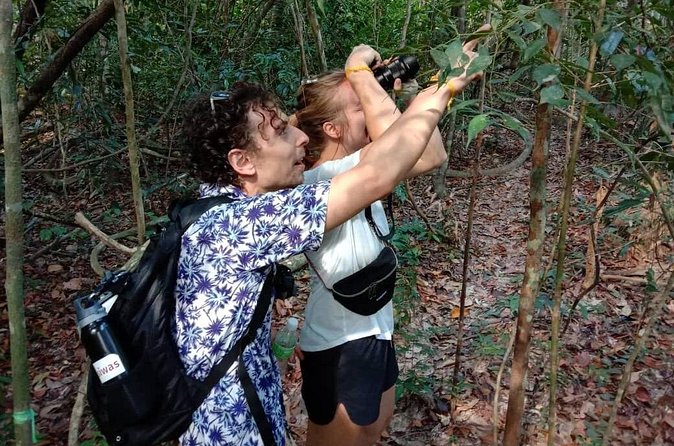
Birdwatching beats a screen. It is your guided pass into Desaru Coast’s famous mix of winged species, with a naturalist-style explanation while you search trees, shorelines, and open spots for birds that call Johor Bahru home. You start with the right people, binoculars, and a bird checklist, so even if you are new, you have something concrete to look for.
I especially like the private transportation and the use of binoculars, because it keeps the experience easy and focused. The guides also bring the details down to earth, from what you are likely seeing to how to read bird behavior instead of just ticking names off a list.
One thing to consider: the tour is scheduled for a 4:30 pm start, while bird activity is often best in the cooler morning hours. You will still likely see plenty, but if morning is your only plan, manage expectations and ask your guide how active the birds are right now.
In This Review
- Key highlights you can plan around
- Why Desaru Coast is a strong choice for birdwatching
- The timing puzzle: a 4:30 pm birdwalk, plus what to expect
- What the 1.5 hours actually feels like in the field
- Desaru Coast stop: the birds you are most likely to chase
- Guides like Salam and Nurin: what makes their teaching style effective
- Binoculars, water, and the comfort you actually notice
- What is not included, and what you should bring anyway
- Price and value: is $39.10 a fair deal?
- Who this tour is best for
- Practical logistics: smooth, but check the weather
- Should you book Birdwatching: Desaru’s Winged Gems?
- FAQ
- Where does the birdwatching tour take place?
- What time does the tour start?
- How long is the experience?
- Is this a private tour?
- What is included in the price?
- Are food and drinks included?
- What happens if the weather is poor?
Key highlights you can plan around
- Desaru Coast bird checklist so you can follow along and confirm what you spot
- Binoculars included, which matters a lot for small, quick birds
- Private tour setup with a local guide, so questions actually get answered
- Comfort and convenience with pickup offered and private transport
- Guides who teach more than birds (plants, fruits, trees, and how to watch)
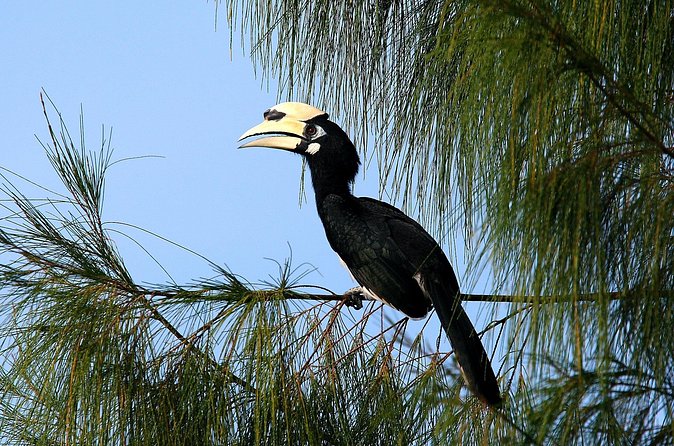
- Real species focus from sea eagles and kites to kingfishers, bee-eaters, and hornbills
Down south in Johor, a few more picks
- Firefly Tour Johor Bahru@Kota Tinggi Firefly Park★ 4.5 · 47 reviews
- Johor: LEGOLAND Malaysia Resort Entry Ticket★ 4.0 · 39 reviews
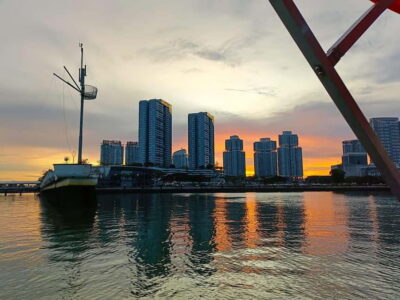
- Magical Brooklyn Cruise at Puteri Harbour★ 5.0 · 35 reviews
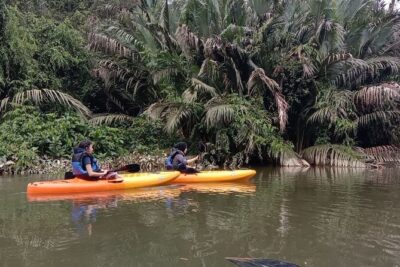
- Lebam River Kayaking Adventure★ 5.0 · 22 reviews
Why Desaru Coast is a strong choice for birdwatching
Desaru Coast is built for people who like “wow, nature is doing its own thing,” and birdwatching is the easiest way to feel that up close. The area is known for over 100 bird species, and that range helps on a short tour, because you are not stuck searching for just one or two targets.
This tour also has a practical learning angle. A bird checklist is provided so you are not standing there guessing. Instead, you are watching for specific groups, like raptors overhead or colorful small birds in the mid-level vegetation, then tying what you see back to names and traits.
The guides I read about show a theme: they do not treat birds as trivia. Guides like Salam and Nurin are described as sharing birdwatching insights through stories, and that style helps you notice things like flight patterns and feeding behavior. Other guides, including Sharool and Udin, are also singled out for explaining what is happening around you, including plants and trees, which turns a quick outing into a real skill-building session.
The timing puzzle: a 4:30 pm birdwalk, plus what to expect
The biggest planning detail is the 4:30 pm start. Your guide will often explain that birdwatching is best in the cooler morning when birds are most active. Still, the late-day hours can be productive too, especially for birds that move around to feed and perch when temperatures settle.
So what should you expect? Think “active viewing,” not a promise of constant action. You may see more movement near water edges, and you might catch certain birds calling or relocating as the light shifts. If your schedule forces evenings, this is the kind of tour that can still work, because the guide is actively scanning and teaching you what to look for.
Practical tip: if you are the type who wants maximum sightings, wear light layers and stay ready. Late-day birding can mean quick flits and short windows where a bird shows itself, then disappears back into leaves. Binoculars help a lot here, and this tour includes them.
What the 1.5 hours actually feels like in the field
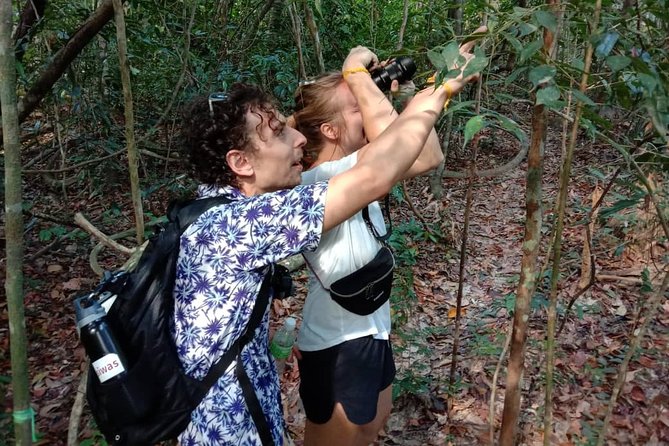
The experience runs about 1 hour 30 minutes. That is short enough to fit into a travel day without draining it, but long enough for the guide to guide your eyes through multiple viewing spots. You are not just walking and hoping. You are looking with a purpose.
A good guided birdwalk has a rhythm:
- a scan for larger birds first
- then a shift to smaller, harder-to-spot species
- and finally, a wrap-up where you confirm what you saw using the checklist
That is the kind of pacing this tour is designed for. Reviews also highlight how interactive it can be, with guides described as friendly, flexible, and attentive to different ages, including checking in on elderly participants. That matters because birdwatching is not the same for everyone. Some people can scan for 15 minutes; others need shorter bursts.
Desaru Coast stop: the birds you are most likely to chase
At the heart of this tour is Desaru Coast, where the species list is part of the fun. You are told about a long roster of winged “gems,” including birds like White-bellied Sea Eagles, Brahminy Kites, Black-shouldered Kites, Crested Serpent Eagles, and Changeable Hawk-Eagle.
You can also expect attention on smaller, colorful birds and birds associated with water and edges:
- Collared Kingfisher and several kingfisher types
- Blue-throated Bee-eaters and Blue-tailed Bee-eaters
- Blue-winged Pittas
- Crimson, Ruby-cheeked, and Brown-throated Sunbirds
- Purple Heron, Grey Heron, and Yellow Bittern
Even if you do not spot every name on the list, this broad range is a big deal. It means the guide can “work the area” rather than betting everything on one species. And it gives you context. When a bird appears, you can understand what category it fits into, and why the guide is watching that spot.
One more detail that helps: the experience is described as suitable for both beginners and more experienced birders. That usually means the guide can scale explanations, from basic ID tips for new watchers to more behavior-based clues for people who already know what they are looking at.

Guides like Salam and Nurin: what makes their teaching style effective
The strongest praise across the reviews is about the guides. Salam and Nurin show up again and again, and the comments point to a specific teaching style: friendly, funny in a natural way, and heavy on explanation.
What I like about that approach for birdwatching is simple. Birds can be frustrating. You spot movement, track it through leaves, and then it is gone. If your guide explains what to look for, you stop feeling like you failed. You start feeling like you are learning.
There is also a practical side. Reviews mention that guides share insights not just about birds but also about plants, fruits, and trees. That matters because many birds are there because of food and cover. Once you understand what the vegetation offers, you can predict where birds might show up next.
Other guides mentioned, like Sharool and Udin, are also described as knowledgeable and focused on explaining the area around Desaru. If you care about seeing the place through the lens of the birds, that kind of guide partnership is the whole point.
Binoculars, water, and the comfort you actually notice
Included items here are not fancy, but they are smart:
- Use of binoculars
- bottled water
- local guide
- private transportation
- pickup offered
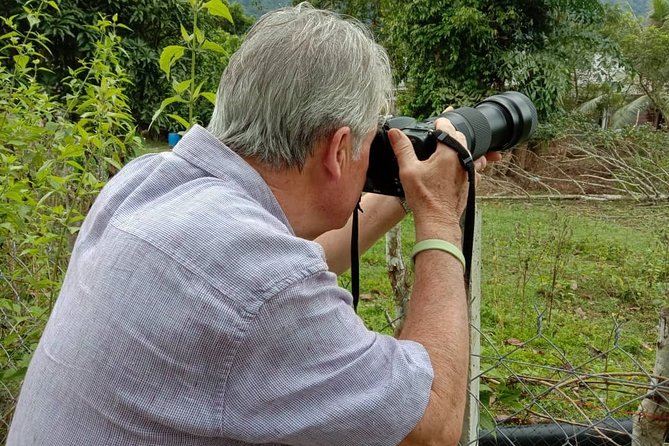
Binoculars are the big one. Even experienced birders often struggle without good optics, and beginners need them even more to convert a “tiny dot” into something you can ID.
Private transportation and pickup are also meaningful for a tour like this. Birdwatching depends on timing and access. If you waste time figuring out where to park or how to reach the best viewing spots, your attention gets split. With private transport, you can stay in “watch mode.”
Comfort note: reviews mention a car that feels comfortable, which helps when you are hopping between viewing points or settling in while the guide scans.
What is not included, and what you should bring anyway
The tour does not include food and drinks. Bottled water is provided, but you should not count on snacks or meals being handled. If you are on a travel day and eating earlier feels uncertain, bring something small you can nibble before or during the tour.
Also pack for field time:
- closed-toe shoes or sandals you trust for walking
- a hat and sunscreen if the afternoon sun is still strong at your start time
- a light layer, because evenings near coasts can feel cooler
Because birdwatching can be stop-and-wait, small comfort items make a difference. A handheld fan, light rain cover, or a simple bug repellent can also help, since good birding often means being still.
Price and value: is $39.10 a fair deal?
At $39.10 per person, this tour is priced like an accessible guided experience. The value comes from what you get, not from the label.
You are paying for:
- a local guide who helps with identification and behavior
- binoculars provided
- private transportation and pickup offered
- bottled water
- a bird checklist to structure your viewing
If you were to do this on your own, you could save money, but you would also lose the ID support and the efficiency of guided scanning. Birding is one of those hobbies where the cost is often in time and confusion. A good guide compresses that learning curve.
This is also booked about 26 days in advance on average, which tells me this is a popular schedule slot. If your dates are fixed, you should plan ahead rather than waiting.
Who this tour is best for
This is a strong fit if you fall into any of these groups:
You are a beginner and want a guide to teach you what to look for without overwhelming you. The checklist plus explanations makes birdwatching feel doable.
You are an intermediate or returning birder who wants an easy, guided outing with binoculars and help spotting birds in a short window.
You are traveling with mixed ages. Reviews mention the guide being attentive to elderly participants, which is exactly what you want from a short, structured experience.
It may be less ideal if you are chasing a very specific species and you need guaranteed sightings. Birdwatching is never a guarantee, and a 1.5 hour walk depends on current bird activity.
Practical logistics: smooth, but check the weather
This experience requires good weather. If conditions are poor, you are offered a different date or a full refund. Since you are outdoors, treat weather forecasts seriously the day of.
One more practical note: confirmation is received at booking, and your ticket is mobile. That is a nice setup for reducing last-minute stress.
Private tour means you do not have to blend into a big group. It is just your party, which often leads to better questions and more tailored scanning.
Should you book Birdwatching: Desaru’s Winged Gems?
Book it if you want a guided way to see a wide range of Desaru birds in a short time, with binoculars included and a checklist to help you learn while you watch. The standout strength here is the guide style, especially the reports of Salam and Nurin teaching through stories and practical tips, plus other guides like Sharool and Udin explaining the broader nature around you.
Skip it or choose another time slot if you only want peak morning activity and your schedule is locked to a different window. Also, if you need long, deep birding hours, this is compact at about 1 hour 30 minutes, so treat it as a focused introduction, not a full day expedition.
If you like nature walks where the guide teaches you how to see, this is a solid value pick in the Johor Bahru and Desaru area.
FAQ
Where does the birdwatching tour take place?
The tour focuses on Desaru Coast in Johor Bahru, Malaysia.
What time does the tour start?
The start time listed is 4:30 pm.
How long is the experience?
The duration is approximately 1 hour 30 minutes.
Is this a private tour?
Yes. It is a private tour/activity, with only your group participating.
What is included in the price?
Included are a local guide, private transportation, use of binoculars, and bottled water.
Are food and drinks included?
No. Food and drinks are not included.
What happens if the weather is poor?
This experience requires good weather. If it is canceled due to poor weather, you will be offered a different date or a full refund.
More Tour Reviews in Johor Bahru
Johor for the Family
Other Johor Bahru write-ups from our reviewers
- Private Transfer : Johor Bharu (JB) to Kuala Lumpur (KL)
★ 5.0 · 3 reviews - Johor Bahru : Seadoo JetSki 30mins Self Ride Tour (Double)
★ 5.0 · 4 reviews - Johor Bahru : Seadoo JetSki 30mins Self Ride Tour(Single)
★ 4.6 · 5 reviews - Johor Desaru Coast Day River Cruise
★ 5.0 · 6 reviews - Legoland Malaysia Theme Park E-Tickets
★ 4.5 · 7 reviews
More Johor, Legoland & Desaru Trips.
 ★ 4.5Firefly Tour Johor Bahru@Kota Tinggi Firefly ParkFrom $647 reviews
 ★ 4.0LEGOLAND Malaysia Resort Entry TicketFrom $2239 reviews
 ★ 5.0Magical Brooklyn Cruise at Puteri HarbourFrom $2235 reviews
 ★ 5.0Lebam River Kayaking AdventureFrom $7822 reviews
 ★ 5.0Beachlife & Tidepool Discovery at Desaru Coast Johor |JungleWallaFrom $2013 reviews
 ★ 3.9Johor Bahru: Brooklyn Cruise at Puteri HarbourFrom $118 reviews
 ★ 4.5Legoland Malaysia Theme Park E-TicketsFrom $237 reviews
 ★ 4.3Adventure Waterpark Desaru Coast Entry TicketFrom $237 reviews
Other Malaysia lists with this tour