
REVIEW · KUCHING & SARAWAK TOURS
3 Days 2 Nights Unesco World Heritage Mulu 4 Showcaves
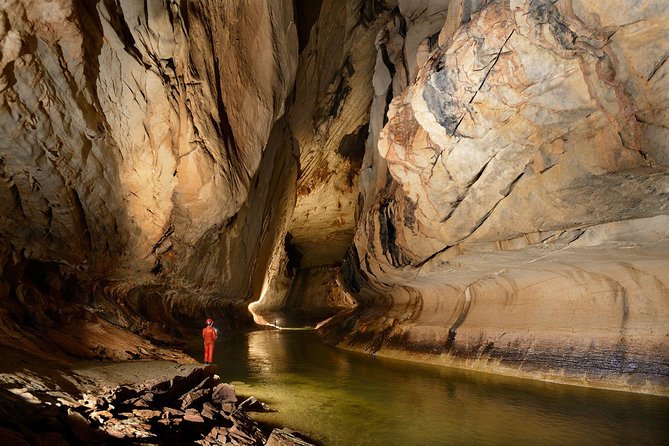
Mulu caves feel like a different world. This 3-day, 2-night trip through Gunung Mulu National Park mixes big limestone caverns, rainforest river travel, and a classic late-evening bat moment. I especially loved the Deer Cave section, where the scale hits you fast, and the walkways keep you close to the action without turning it into a muddy scramble.
The second big win for me is the human side of the day. You spend time at a Penan settlement, then head out by longboat to the Wind Cave and Clearwater Cave area, with a picnic lunch and even a chance to cool off at the Clearwater spring.
The main drawback to plan around is weather and footing. Bat flights from the cave mouth are only when conditions are good, and you will do sustained walking on uneven surfaces, so pack the right gear and bring a moderate fitness level.
In This Review
- Key highlights at a glance
- Why Gunung Mulu caves are such a strong pick
- Day one: Mulu Airport to the world heritage caves
- Lang’s Cave and Deer Cave: scale, bats, and guided pacing
- Getting it right with guide Boni and timing that respects flights
- Day two: Penan settlement by longboat to Wind and Clearwater caves
- Wind Cave and Clearwater Cave: different feels, same limestone drama
- The bat window, the rain plan, and what to pack
- Price and value: what $215.65 per person really buys
- Small group size and what it means for comfort
- Who should book this Mulu 4 showcaves experience
- Should you book this 3 days, 2 nights Mulu caves tour?
- FAQ
- Which caves are included in this tour?
- How long is the experience?
- What is included in the tour price?
- What should I bring for this trip?
- What fitness level do I need?
- Is the bat viewing guaranteed?
- How many people are in the group?
- Where do I meet, and where does it end?
- What is the cancellation policy?
Key highlights at a glance
- Deer Cave plus Deer Cave bat fly-out timing when the weather cooperates
- Plank walk to the caves for safer, easier rainforest travel
- Penan settlement stop to see daily life and browse handicrafts
- Longboat days that make Wind and Clearwater caves feel remote and real
- Clearwater spring time after the cave visit, with picnic lunch provided
Why Gunung Mulu caves are such a strong pick
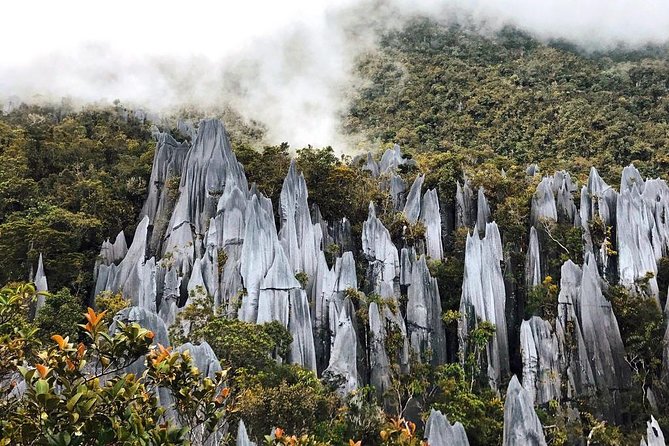
Gunung Mulu is a protected rainforest in Malaysian Borneo, and the park’s caves are the headline act. This area is famous for limestone features, steep terrain, and wildlife that shows up whether you are ready for it or not. The cave system here is not a quick tunnel tour either. It is more like stepping into a slow, echo-filled world, then watching it change as evening approaches.
What I like about this tour style is that it balances extremes. You get a big, iconic cave moment early, then a more relaxed day that mixes community time, river travel, and another set of caves. The result feels practical, not rushed.
Also, small groups matter in Mulu. This tour caps at 15 travelers, and that can make a difference when you are moving in and out of cave areas and trying to line up for the best bat-view window.
Day one: Mulu Airport to the world heritage caves
Your day starts at Mulu Airport (MZV), then you transfer to your chosen place to check in. After that, you meet up in the afternoon and head to the Mulu World Heritage area for registration. This setup is convenient because you are not stuck searching for transport or trying to figure out where to go at the last minute.
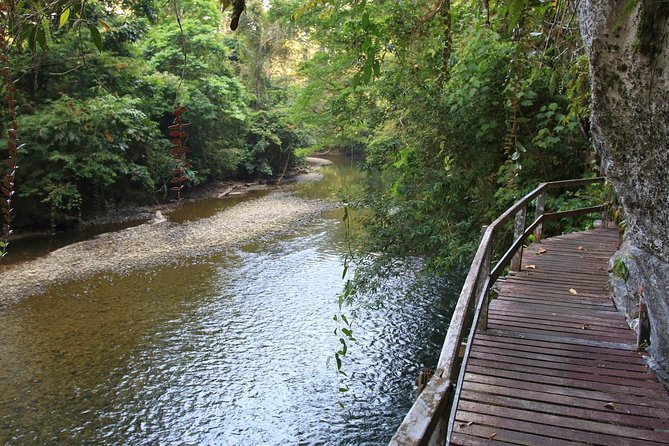
From the park headquarters, you follow a 3 km plank walk to reach the cave area. That detail matters more than it sounds. A plank path keeps you off slippery ground and reduces the chaos of wet rainforest trails, especially when you are also carrying rain gear and insect repellent.
Once you reach the cave zone, you move into the first cave experience of the trip, which focuses on Lang’s Cave and Deer Cave. Expect a guided approach through sections where you learn what you are looking at, and then you transition toward the second phase of the experience later in the evening.
Lang’s Cave and Deer Cave: scale, bats, and guided pacing
Lang’s Cave and Deer Cave are treated as one package because the environment connects the story. Limestone caves can look similar until you are actually inside them, then you start noticing details in the rock, the airflow, and the way sound behaves.
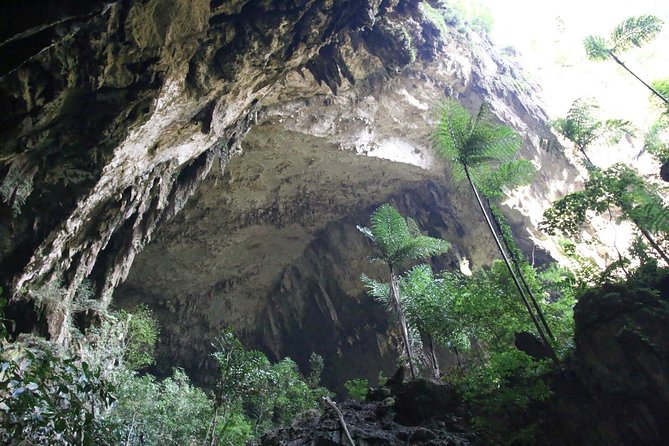
The big emotional moment here is Deer Cave. It is known for being packed with bats, and you feel that reputation as soon as evening nears. Even if you are not a wildlife person, bat activity changes the entire mood. The cave mouth becomes a living doorway, not just a sight.
Your schedule includes a plank observatory stop to watch bats fly out late in the day. The tour notes this is confined to fine weather, which is your hint to stay flexible. If rain or poor visibility moves in, you might miss the fly-out. That is not a failure, it is just how bat behavior and safety constraints work here.
One practical note I would follow: bring your eyes to the front, not your phone. In low light, it is easy to miss the real spectacle because you are trying to get the perfect photo. If your goal is to see the movement, give yourself a clear viewing window and only record briefly.
Getting it right with guide Boni and timing that respects flights
A standout part of this type of tour is how you handle logistics without feeling like logistics is the main event. In at least one memorable case, a guide named Boni made a point of syncing the schedule with the group’s flight timing, so the cave day still felt complete even near the end of the visit.
That is the kind of skill you want in Mulu. The cave timetable, the weather window, and your transport all interact. If your guide is sharp, you spend more time looking at the caves and less time standing around wondering what happens next.
Since the tour is built around meeting at the airport and returning you there, you are not guessing about last-day transport. Still, I suggest you treat your arrival and departure times as part of the experience. If you can, aim for flights that give you buffer time, especially on the first day when you need check-in and afternoon registration.
Day two: Penan settlement by longboat to Wind and Clearwater caves
Day two shifts the tone in a good way. After breakfast, you travel toward the Batu Bungan–Penan settlement area. This portion is done by longboat, and that river segment is not just transport. It gives you a moving view of the rainforest and sets expectations for the day.
At the Penan settlement, the focus is on lifestyle and handicrafts. You can observe day-to-day living and choose items displayed for sale. I like this stop because it adds context. Caves do not happen in a vacuum. They are part of a wider landscape and culture, and meeting people helps you see that the park is not only about scenery.
Then the longboat continues to the caves: Wind Cave and Clearwater Cave. The day includes a picnic lunch at Clearwater summer huts, which is a thoughtful break. It also means you are not trying to find food in the middle of remote travel.
You will also have the option for swimming at the Clearwater spring. This is one of those rare add-ons that can make the trip feel extra rewarding because you get contrast. Cave time is cool, echo-y, and enclosed. Clearwater spring time is bright, open, and cooling.
Wind Cave and Clearwater Cave: different feels, same limestone drama
Wind Cave earns its name from how air moves through limestone systems, and in practice that usually shows up as airflow you can feel and a different sound pattern as you move through. It is not always a single moment where you think, ah yes, wind. It is more like the cave’s internal weather, and your guide helps you connect what you feel with what the cave is doing.
Clearwater Cave adds another layer because of what comes next. Even when you are still in the cave, you know the day will end with fresh water and a chance to go in. That makes the overall rhythm nicer. You do not just walk, stare, and leave. You get a clear before-and-after flow.
One thing to remember for cave days: even if the rainforest is hot, caves can feel cooler and damp. If you run cold easily, bring a light layer, and keep a dry bag or sealed pocket for anything you do not want to risk moisture.
The bat window, the rain plan, and what to pack
This tour runs on a weather-sensitive cave event. The bat fly-out is only possible in fine weather, and the tour’s materials are clear that the experience is weather-dependent. So plan like this: treat the bat moment as a bonus when conditions allow it, not as the only reason you are there.
Rain is common in rainforest regions, so your gear list is not fluff. You are asked to bring a poncho or umbrella, a hat or cap, insect repellent, and trekking shoes. You should also carry your own medication.
If I were organizing this for you, I would add two simple practical tips based on the nature of the day:
- Wear shoes with grip. The plank walks help, but you still step onto cave edges and uneven surfaces.
- Pack socks you can change into. Cave and river days can leave you damp, and comfort matters once you sit on transport later.
Moderate physical fitness is the other key filter. You are not in a hardcore mountain hike plan, but you do need the ability to walk for hours and handle cave walking with a guided pace.
Price and value: what $215.65 per person really buys
The stated price is $215.65 per person, and the tour notes group discounts. On the surface, that is not a dirt-cheap add-on, but it is also not just a ticket to a cave. When I look at the inclusions, the value case gets stronger.
Included items are practical and expensive in remote areas:
- Lunch
- Entrance fees
- Guide fees
- Transportation during tour
- Air-conditioned vehicle
- Breakfast (2)
Not included are also clearly listed:
- Gratuities (recommended)
- Sales and service tax if applicable
- Tourism tax for non-Malaysian
- Travel insurance
- Air fare
- Anything not mentioned
For most people, the biggest value is that you are not paying separately for guides, entry, and the mix of transport modes. You are paying for a managed, timed experience that strings together four caves plus the Penan stop and river travel.
One more value factor is timing. The tour is often booked about 42 days in advance on average. That suggests you might need to plan ahead if you want your best dates, especially if you are traveling around holidays.
Also note the materials mention surcharges around major festive periods, including Chinese New Year, Hari Raya Aldilfitri, Hari Gawai Dayak, and Christmas Day. There is also a mention of a peak-season room-night surcharge at Mulu Marriott for a specific period. Those details do not change the experience itself, but they can change what you end up paying overall.
Small group size and what it means for comfort
With a max group size of 15 travelers, this tour is more likely to feel coordinated rather than chaotic. Cave movement requires attention, and longboat days benefit from having everyone in the same rhythm. Smaller groups can also help your guide keep an eye on everyone’s pace, especially on uneven steps and when you pause for viewing or photos.
The trade-off is that you still need to work with the group schedule. This is not a private wandering plan. When your bat window depends on weather, the best you can do is be ready at the right times and listen closely when your guide adjusts the plan.
Who should book this Mulu 4 showcaves experience
This is a great fit if you want a structured cave trip without giving up the chance to do something human and active. You will enjoy it most if you like:
- Big caves and wildlife moments, especially Deer Cave and the bat fly-out plan
- Nature travel that includes both walking and river transport
- A cultural stop that adds real-world context through a Penan settlement visit
- A day with a built-in break, like picnic lunch at Clearwater huts, plus possible swimming
It may feel less ideal if you hate weather uncertainty. The bat viewing is not guaranteed, and caves plus rain gear means you should expect damp conditions. If you have very limited mobility, the “moderate physical fitness” requirement is worth taking seriously, even though the route uses plank sections.
Families are allowed, but the materials say children must be accompanied by an adult, so keep that in mind when thinking about who in your group will manage cave walking.
Should you book this 3 days, 2 nights Mulu caves tour?
If your goal is four cave experiences in Gunung Mulu over a tight, well-guided loop, I think this is a smart booking. The pricing looks reasonable because so much is bundled: guides, entrances, transport, and breakfasts. You also get that rare combo of caves plus a Penan settlement stop, which keeps the trip from feeling like you only did nature and nothing else.
Book it if you are ready to dress for rain, wear grippy shoes, and accept that the bat fly-out depends on conditions. Skip it, or at least be cautious, if you are hoping for a guaranteed bat show no matter the weather.
If you decide to go, do this to make it smoother: plan your flights with buffer time, bring a poncho and insect repellent, and trust your guide’s timing. In a park like this, the schedule is part of the magic.
FAQ
Which caves are included in this tour?
The tour includes visits to Lang’s Cave, Deer Cave, Wind Cave, and Clearwater Cave.
How long is the experience?
It runs for about 3 days (approximately 3 days total).
What is included in the tour price?
Lunch, entrance fees, guide fees, transportation during the tour, an air-conditioned vehicle, and breakfast for 2 days are included.
What should I bring for this trip?
Bring a poncho or umbrella, a hat or cap, insect repellent, trekking shoes, and any own medication you may need.
What fitness level do I need?
The tour is described as requiring moderate physical fitness.
Is the bat viewing guaranteed?
Bat fly-out viewing from the cave observatory is only scheduled for fine weather, so it depends on conditions.
How many people are in the group?
The tour has a maximum group size of 15 travelers.
Where do I meet, and where does it end?
You start at Jalan Mulu Airport in Sarawak, Malaysia, and the tour ends back at the same meeting point.
What is the cancellation policy?
You can cancel up to 3 days in advance for a full refund. If it is canceled due to poor weather, you will be offered a different date or a full refund.
More Kuching & Sarawak Tours.
 ★ 5.0Half-Day Heritage Bike Tour in KuchingFrom $63162 reviews
 ★ 5.0Night Froggy Adventure at Kubah National ParkFrom $7571 reviews
 ★ 4.5Semenggoh Orangutan Centre from KuchingFrom $6653 reviews
 ★ 4.5Bako National Park from Kuching CityFrom $14035 reviews
 ★ 5.0Semenggoh Wildlife Centre Tour: Discover Sarawak’s OrangutansFrom $7034 reviews
 ★ 4.0Historical Niah National Park Day Trip from MiriFrom $9027 reviews
 ★ 4.5Bako National ParkFrom $15818 reviews
 ★ 5.0Night Frogs Tour at Kubah National ParkFrom $11417 reviews
Other Malaysia lists with this tour